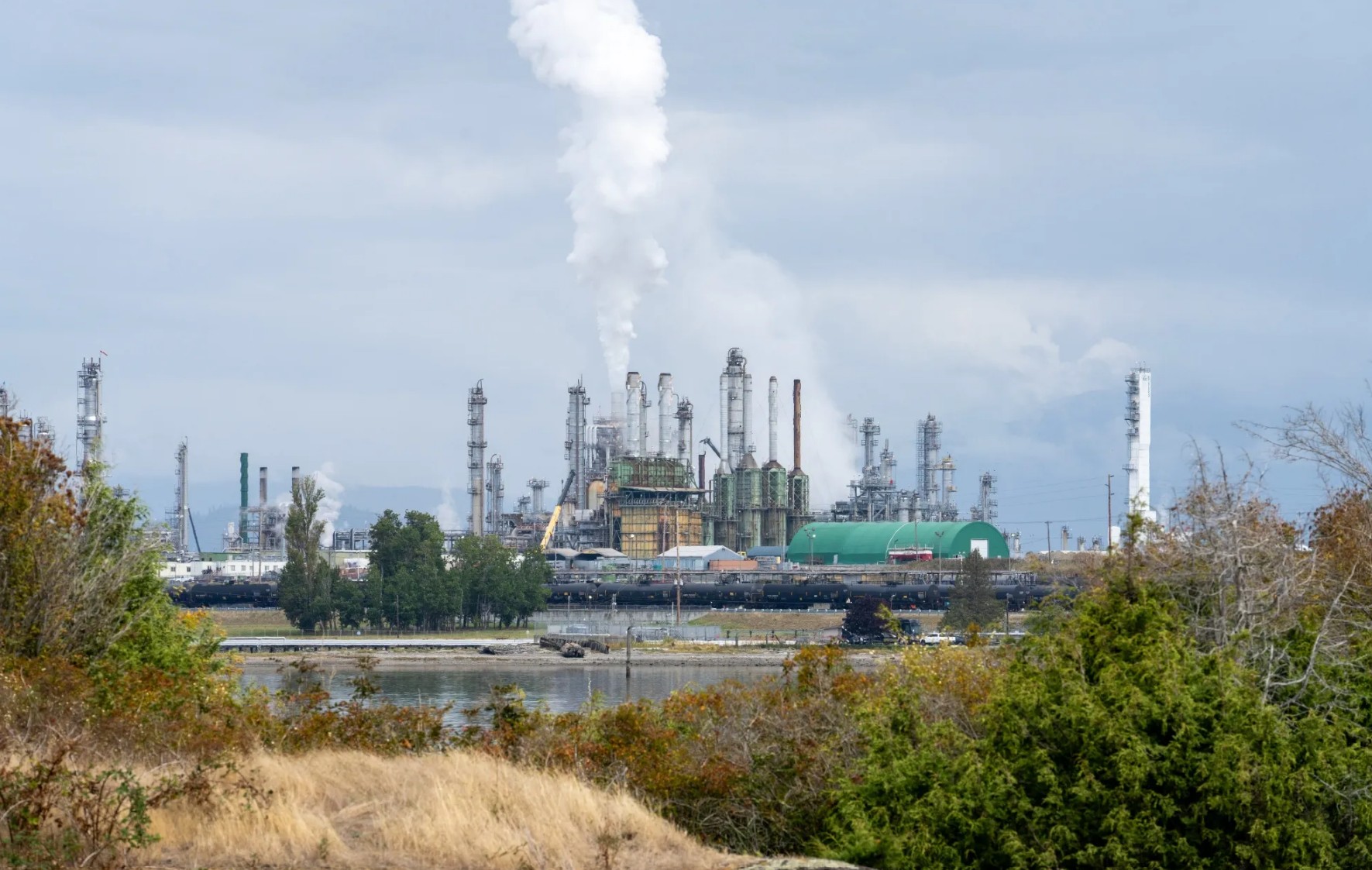
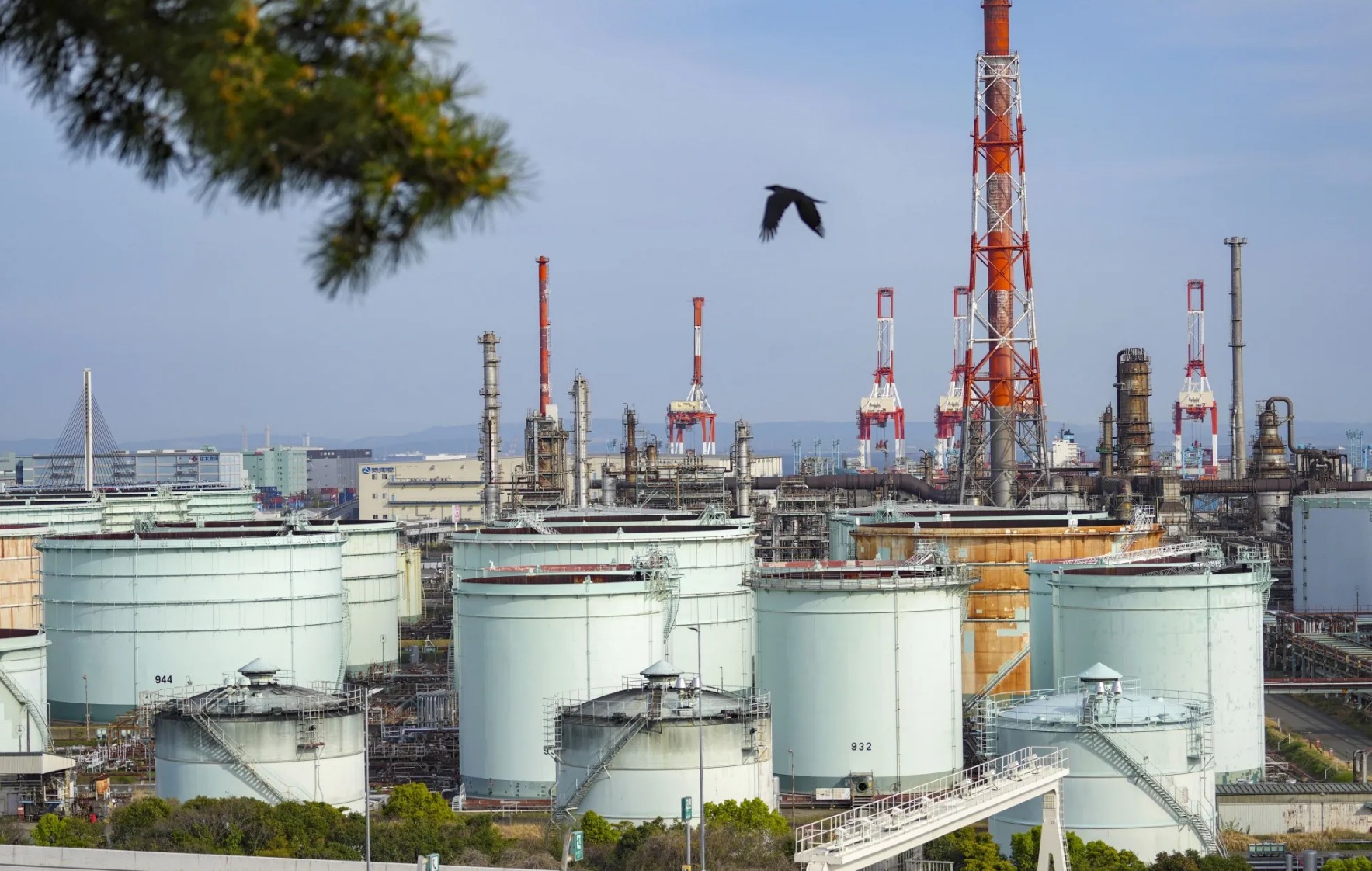
LONDON (Realist English). On September 9, the global oil refining sector faced an acute shortage of diesel fuel, which experts are calling the most serious energy challenge since the 2022 crisis.
According to Bloomberg, Reuters and analytical reports from Goldman Sachs and JPMorgan, the market has come under simultaneous pressure from geopolitical conflicts, attacks on refineries and a structural shortage of refining capacity.
As Vitol Group CEO Russell Hardy stated in an interview with the Financial Times, “we are short 2 million barrels a day from Russia and almost 2 million barrels a day from the Middle East.” As a result, diesel is rising in price twice as fast as crude oil, creating powerful inflationary pressure on every link in the economy — from freight to agriculture.
Perfect Storm: The Crisis Was Formed by Several Factors at Once
- Hostilities in the Persian Gulf — for more than six months, these have hindered fuel exports from the region.
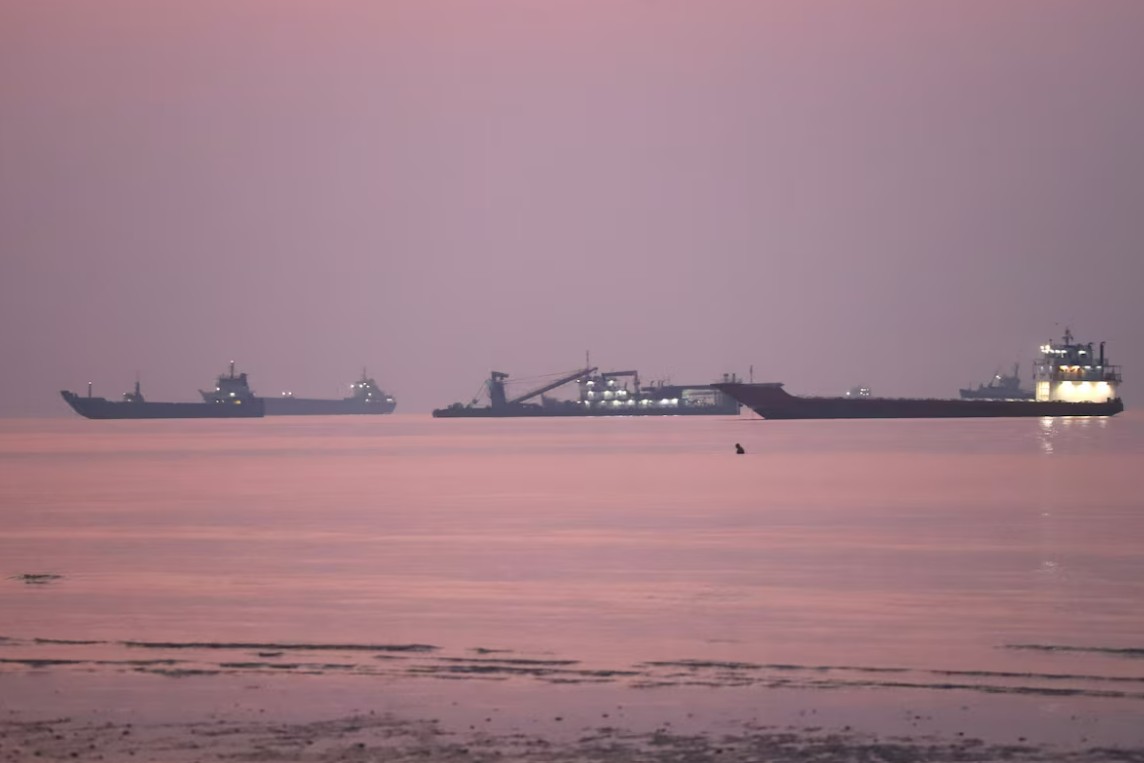
- Effective blockade of the Strait of Hormuz — one-fifth of global oil supplies pass through this corridor; its closure has paralysed the export of refined products.
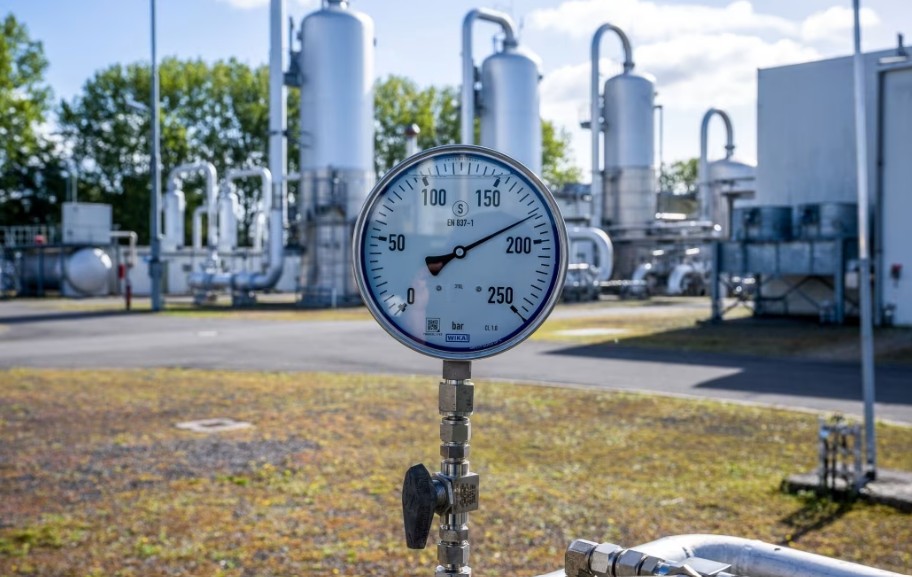
- Refining capacity shortage — global refineries are operating at their limits, equipment is wearing out, and breakdowns are becoming increasingly frequent.
Record Figures: Crack Spread Soars to $102
Key indicators have reached historic highs:
| Indicator | Value |
| Diesel crack spread (ICE Gasoil) | $102 per barrel — 5 times the norm |
| US retail diesel price | >$5.90 per gallon — new record |
| US distillate inventories | 23-year low |
| European reserves | Levels of the 2022 energy crisis |
| Brent price | Moving toward $100 per barrel |
The analytical portal Zerohedge called the current crack spread “absolutely unprecedented.” In Europe, diesel has for the first time in a year overtaken jet kerosene in price.
Consumers Worldwide Are Tightening Their Belts
High prices have already begun to destroy demand. People in various countries report being forced to cut spending:
- United Kingdom (Sheffield) — diesel has risen more than 20 pence per litre compared with petrol.
- Northern Ireland — more than half of drivers are cutting spending on food and heating, 40% on restaurants, 18% on holidays.
- South Africa — fuel has jumped by R3.14 per litre, families are cutting back on leisure.
- India — state oil companies are losing 25–35% of wholesale sales as large consumers switch to retail filling stations.
- Philippines — the price has doubled to 66,000 dong per litre, residents are reducing meat consumption.
Of particular concern is the threat to agriculture. JPMorgan has warned that a global food crisis could erupt as early as next year due to rising fuel costs for farmers and freight.
Governments Introduce Quotas and Subsidies
Countries around the world are reacting urgently to the crisis:
- Indonesia — introduced rationing: no more than 50 litres per day per private car; civil servants have been switched to remote work.
- Slovenia — became the first in Europe to introduce fuel quotas.
- Germany — approved a €1.6 billion aid package, cutting taxes on diesel and petrol by €0.17 per litre for two months.
- Italy — extended tax breaks on diesel fuel until September.
- Thailand — is preparing its own rationing plan.
- EU — calls for voluntary consumption cuts, but the energy commissioner has not ruled out tougher measures.
The International Energy Agency has recommended remote work, reduced driving speeds and switching to electricity for cooking.
Forecasts: “A Very Difficult Winter Awaits Us. This Is Just the Beginning”
Experts are unanimous: the crisis will last at least until the end of 2026, and most likely into 2027.
Sheikh Khaled Al-Sabah, head of international marketing at Kuwait Petroleum Corp:
“If we make it to the end of this year, that will already be an achievement. The huge deficit will manifest very soon. I think a very difficult winter awaits us in North-West Europe. This is just the beginning.”
Goldman Sachs has more than doubled its forecast for diesel crack spreads in 2027: to $63 per barrel in the US and $49 in Europe (previous forecasts were $27 and $19). Bank of America analysts believe the deficit could persist into 2027, even despite the demand destruction that has begun.
Among the key risks are possible new breakdowns at refineries operating at their limits, and insufficient US exports to cover the winter peak in European demand. US Strategic Petroleum Reserve (SPR) crude stocks have fallen below 300 million barrels, which does not solve the problem of the shortage of finished fuel.
A Crisis Without a Quick Fix
The global diesel crisis reflects a confluence of factors that cannot be resolved quickly. The blockade of Hormuz, attacks on refineries, and the structural shortage of refining capacity have created a deficit that even demand destruction cannot easily bridge. Governments are responding with quotas, subsidies, and rationing — measures more typical of wartime than peacetime.
Open questions remain. Will the winter peak in Europe expose even deeper vulnerabilities, as Sheikh Al-Sabah warns? Can the US increase exports sufficiently to offset the loss of Russian and Middle Eastern supply? And most importantly — how long can the global economy withstand diesel prices at these levels before the inflationary pressure triggers a broader recession?
For now, the diesel crisis is a stark reminder that the world’s energy supply chains remain fragile — and that the transition away from them will not happen overnight.