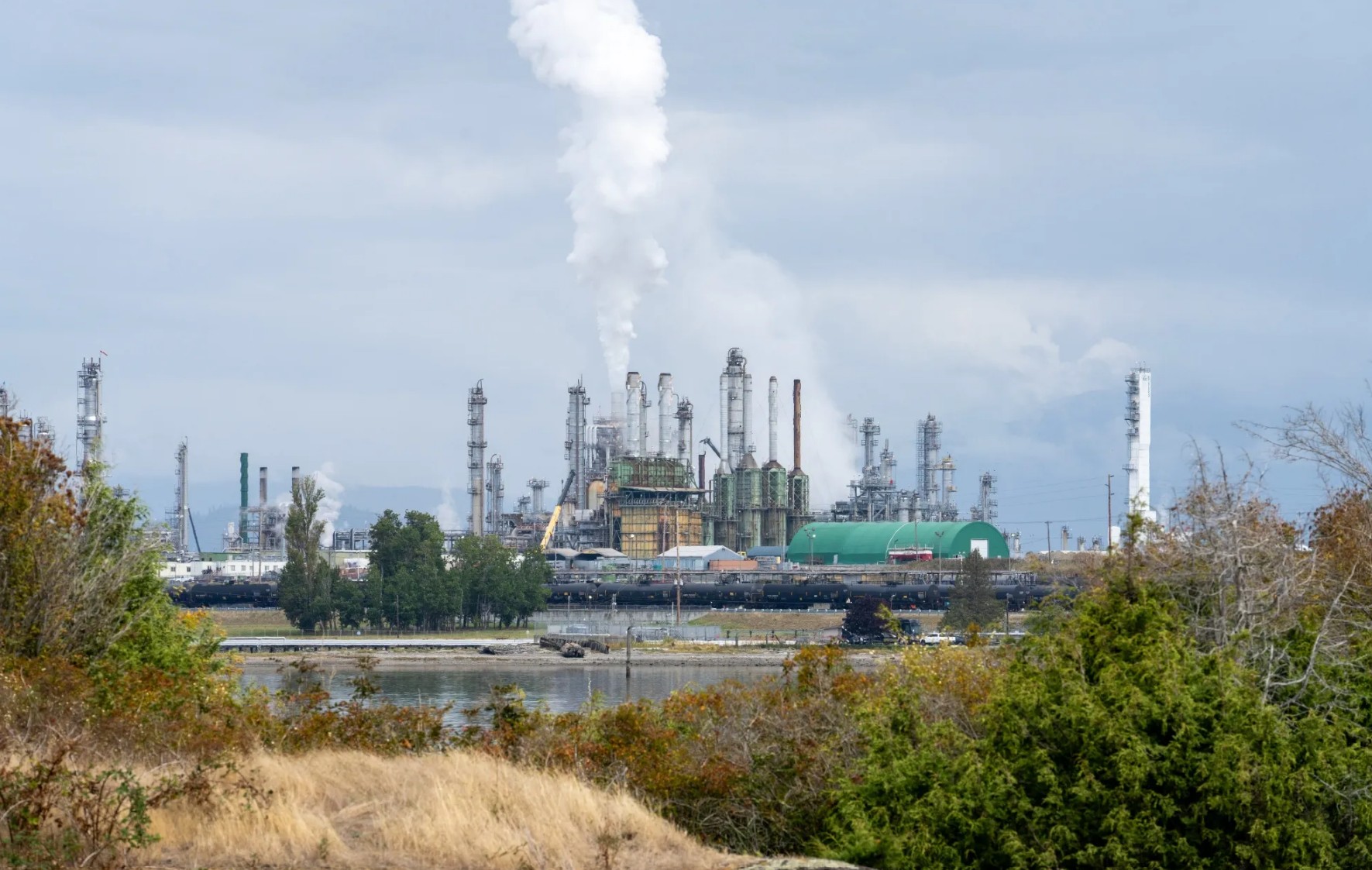
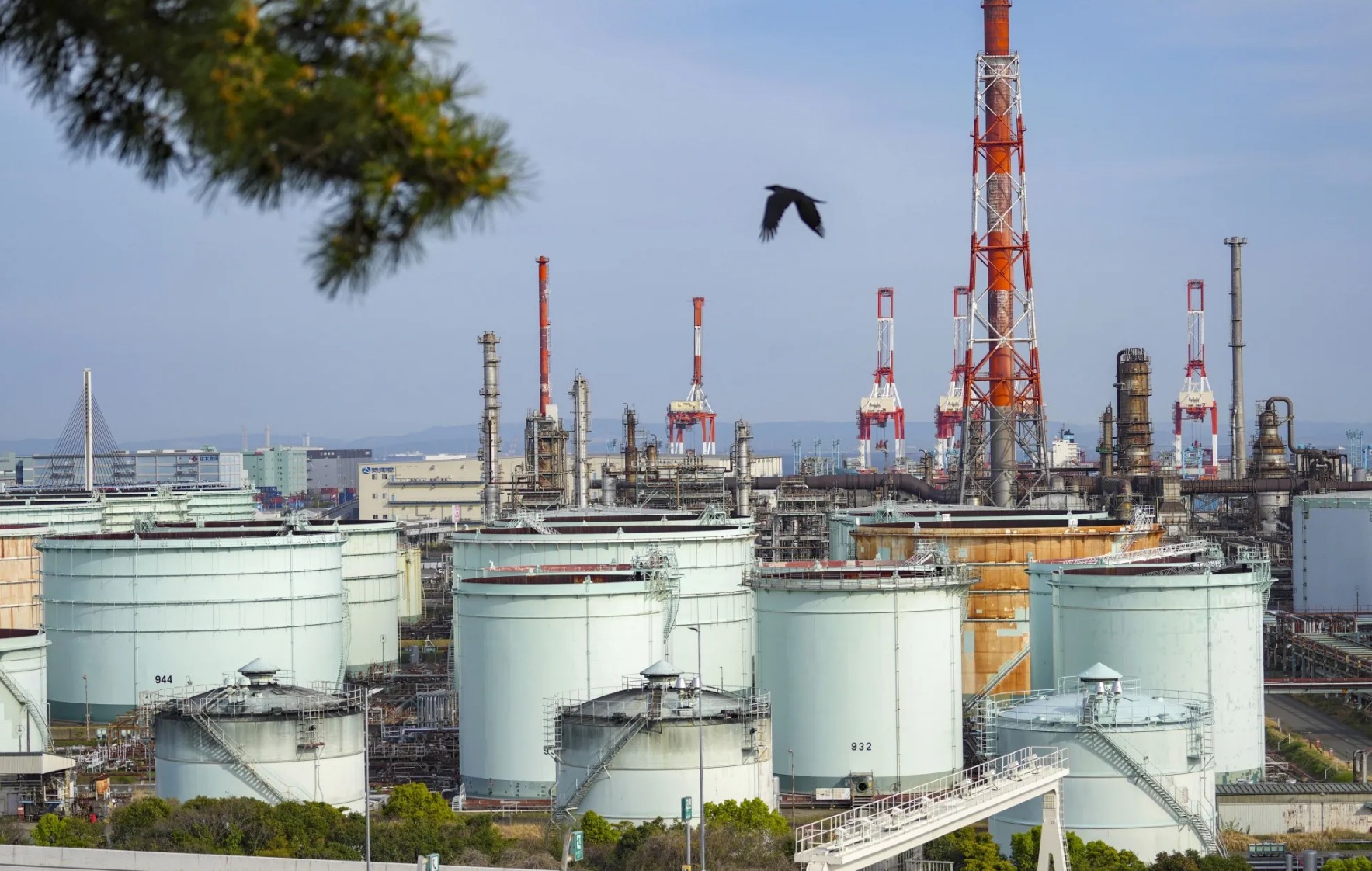
DUBAI (Realist English). The Persian Gulf, through which about one-fifth of global oil and liquefied gas supplies passed before the war, has found itself at the epicentre of an environmental crisis caused by the US-Iran confrontation.
Since February 28, when the US and Israel launched their first strikes on Iran, Tehran has tightened restrictions on navigation through the Strait of Hormuz, and mutual attacks on tankers have led to oil spills, fires and casualties among sailors.
Maritime Blockade and “Exclusion Zone”
Iran has announced the creation of a new maritime “exclusion zone” or “restricted zone” in the Persian Gulf which, according to Secretary of the Supreme National Security Council Mohsen Rezaei, will begin at the borders of the American blockade of Iranian ports and extend to parts of the Gulf.
Any vessel entering this zone will be added to Iran’s sanctions list.
“We will remain committed to the openness of the Strait of Hormuz only when the Americans stop their sabotage, threats and attacks on Iran,” Rezaei stated.
Iranian Parliament Speaker Mohammad Bagher Ghalibaf, who heads the delegation at the talks, directly threatened American energy interests in the region: “The oil and gas production chain here is vast, accessible and vulnerable. American oil and gas companies in these waters and facilities share this vulnerability. Strike our assets — and you will receive a strike in return.”
The US, for its part, claims that the strait remains open and under American control. According to US Central Command, naval forces have cleared the strait of mines, 94 commercial vessels were redirected, and three more were disabled.
Oil Spills: The “Powder Keg” Is Already Exploding
Since the start of the conflict, at least 75 vessels have been attacked, and 21 crew members have died. Two incidents led to oil spills, six to fires.
| Incident | Consequences |
| Caroline Bezengi (off Oman, June 2026) | 0.8 million barrels of oil; threat to 40 km of coastline and Masirah Island |
| Minoan Pioneer (off Oman, August 2026) | Large oil slick near Qeshm Island |
| Spill near Qeshm Island (August 2026) | Pollution area exceeding 300 sq km; mangrove forests and coral reefs under threat |
Satellite images taken on August 10 recorded large oil slicks near Qeshm and Sirri islands. Iranian environmentalists stated that the pollution of the Qeshm coast is “the result of foreign military aggression.”
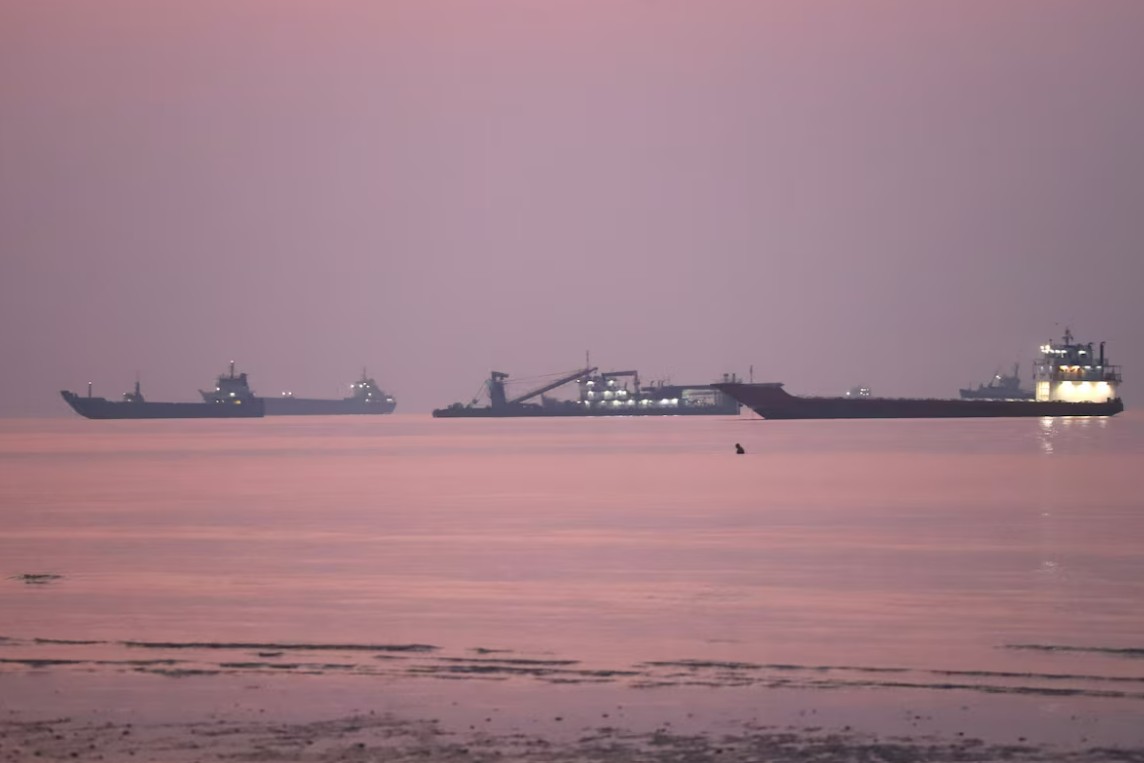
According to MarineTraffic, as of September 7, 42 oil tankers were waiting to pass through the Strait of Hormuz, of which 18 vessels were carrying up to 11.1 million barrels of oil — about 11% of global daily demand. If attacks on commercial vessels continue, this volume could end up in the water.
The Persian Gulf is a shallow, almost enclosed body of water supporting coral reefs, mangrove forests, mudflats and salt marshes. These ecosystems are critically important for the reproduction of fish, sea turtles, dugongs and migratory birds.
“Environmental Roulette”: 1,500 Vessels with Biofouling
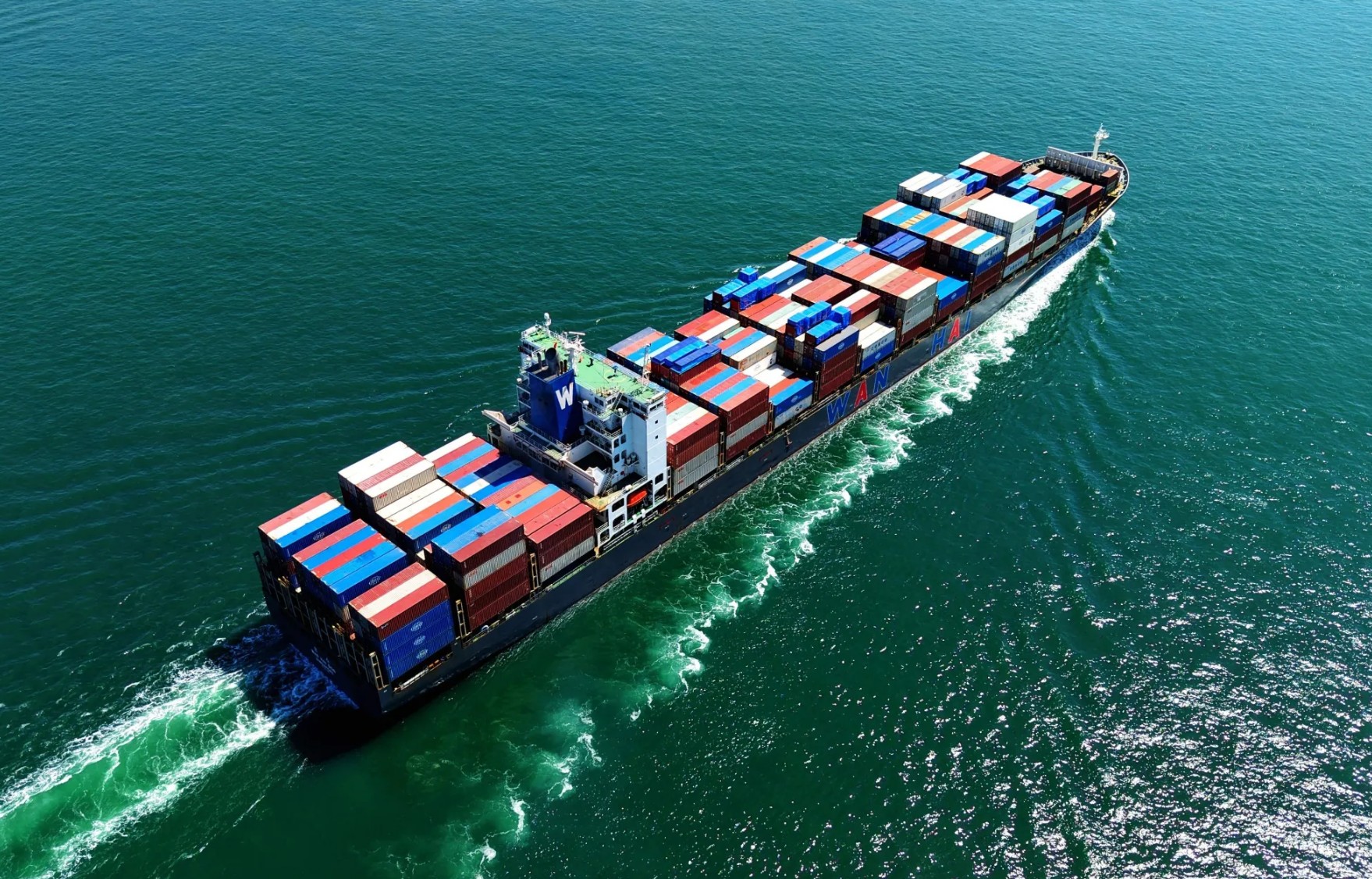
In addition to oil spills, the war has created a unique environmental threat of global scale. More than 1,500 commercial vessels have been trapped in the Persian Gulf since February 2026 — the largest unplanned accumulation of idle ships in modern shipping history.
In the warm waters of the Gulf, where summer surface temperatures reach 38°C, hulls, sea chests and rudders have turned into dense “gardens” of barnacles, mussels, algae and tube worms over months of mooring — a process known as biofouling. When the vessels finally leave the Gulf, they could spread these organisms to ports around the world.
A study by 25 marine scientists published in the journal Biological Invasions warns of the risk of a “super-spreader” of invasive species. According to co-author James Carlton, “species will certainly leave the Persian Gulf on and in ships — that is an inevitable part,” though predicting when and where invasions will occur is extremely difficult.
“A single vessel can deliver a winning species to an ideal host environment and cause a major invasion,” noted marine biologist Bella Galil of Tel Aviv University.
Analysis shows that after the Strait of Hormuz reopens, vessels with biofouling are most likely to reach Mumbai and Colombo, as well as ports in the Mediterranean and the southern United States. Scientists call this “environmental roulette”: most biofouling will bring nothing, but the Gulf is spinning the wheel more than a thousand times.
Humanitarian and Economic Consequences
Over the six-month war, the Strait of Hormuz has effectively ceased to be a normal trade route. According to Kpler, in the ten days to September 8, an average of only about 10 vessels per day passed through the strait — the lowest since May. On September 7, only seven cargo ships passed through.
Against the backdrop of the blockade, oil prices have risen: Brent approached $97–98 per barrel, WTI $92.53, and Murban (the Emirati benchmark) $106.80. Goldman Sachs warned that with further escalation, Brent could reach $120 per barrel.
The Gulf states, which before the war were considered a model of stability, are bearing the brunt of Iranian retaliatory strikes. They are increasing security spending and diversifying international partnerships: in the UAE, construction of a pipeline bypassing Hormuz is expanding, and ports outside the strait are experiencing a boom.
“Today the main threat to the region is the normalisation of the crisis. It is no longer perceived as a temporary phenomenon with a start and end date. It is increasingly seen as the new normal,” said Qatari Foreign Ministry spokesman Majed al-Ansari.
Forecast: The Threat Will Persist After the War
Experts agree that the environmental consequences of the conflict will be felt for many years after the ceasefire. Even if hostilities end, spilled oil will continue to poison ecosystems, and vessels with biofouling will spread invasive species around the world.
Regional countries have already tightened insurance requirements for tankers passing through the Strait of Hormuz. Analysts believe that normal shipping through the strait is unlikely to resume before the end of 2026 even under a ceasefire scenario, given Iran’s stated intention to charge fees for vessels using the waterway.