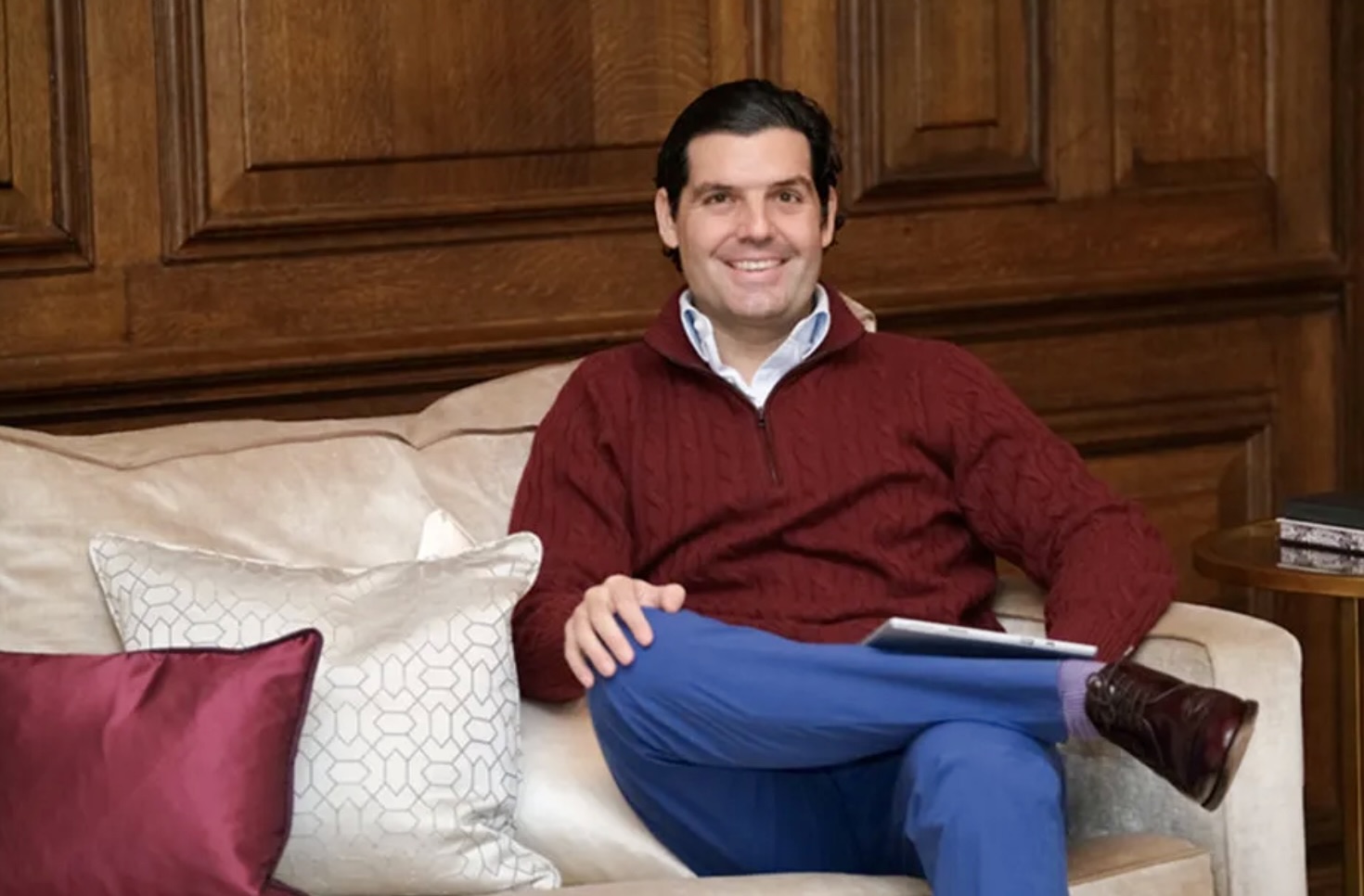
CARACAS (Realist English). At the centre of the historic US‑Venezuela deal announced by Donald Trump on August 28 stands a figure who, just months ago, was under investigation in Switzerland and Spain.
Alejandro Betancourt López, a 46‑year‑old Venezuelan entrepreneur and founder and owner of North American Blue Energy Partners (NABEP) — Venezuela’s second‑largest private oil company — has become Washington’s primary partner in its plan to gain control over the country’s oil reserves.
As the Financial Times reports, the Trump administration turned to a “savvy and controversial insider” to help develop Venezuela’s oil reserves. Betancourt, whom some call the “oil viceroy of the Western Hemisphere,” has become Trump’s “right hand” in Venezuelan oil policy.
From Chávez Contracts to Spanish Startups
Betancourt is a figure well known to Spanish business circles. For two decades, he has invested in Spanish startups, including sunglasses maker Hawkers (in 2016, he invested €50 million and became chairman of the board), recruitment platform Jobandtalent, as well as Playtomic, Auro and Easy Payment Gateway.
However, the Betancourt family fortune was built in the shadow of the regimes of Hugo Chávez and Nicolás Maduro. In 2009–2011, during Venezuela’s energy crisis, his company Derwick Associates secured a series of contracts to build power plants without competitive bidding. An investigation by the Venezuelan opposition found that prices under these contracts were inflated by 138–173%, though no formal charges were ever filed.
In 2011, Betancourt entered the oil business through a joint venture, PetroZamora, with state‑owned PDVSA. After losing control in 2022, he regained it in 2024 and increased PetroZamora’s output from 20,000 to 200,000 barrels per day. In this process, he won the trust of then‑Vice President Delcy Rodríguez, who now serves as Venezuela’s acting president.
Criminal Investigations and Washington’s Intervention
Betancourt’s legal baggage is not confined to Venezuela. He faced investigations in Spain and Switzerland on charges of embezzlement, currency fraud and money laundering. In 2025, Swiss prosecutors requested his extradition from the United Kingdom, and Betancourt was barred from leaving the country for several months.
However, as an exclusive Washington Post investigation revealed, the Trump administration intervened in the Swiss criminal investigation against Betancourt. Senior US officials effectively “hijacked” the case of the businessman, who had been recruited to help establish control over Venezuela’s government and oil industry. In May 2026, Switzerland withdrew its extradition request.
The Deal of the Century: 17 Oilfields and Pentagon Control
On August 28, Trump announced a deal giving the United States control over 65 billion barrels of Venezuela’s proven oil reserves — roughly one‑fifth of the country’s total resources. Washington’s key partner is Betancourt and his NABEP.
| Parameter | Details |
| Partner | North American Blue Energy Partners (Alejandro Betancourt) |
| Oilfields | 17 undeveloped oil fields |
| Reserves | ~65 billion barrels (1/5 of Venezuela’s total reserves) |
| NABEP rights | 100‑year development rights |
| US stake | 35% passive interest in NABEP |
| Priority access | Right to purchase 20% of production at cost |
The Trump administration plans to structure the investment through the Pentagon’s Strategic Capital Office, using a mechanism of “penny warrants” — securities that would give the US a stake in the business without significant capital outlay.
The Pentagon has officially denied the possibility of direct equity participation in private companies, stating that its role is limited to loans, guarantees and technical assistance. However, as the Wall Street Journal notes, a deal involving the Department of Defense in an oil company is unprecedented.
Iran, Elections and “Oil Sovereignty”
Behind the Betancourt deal lie at least three strategic motives:
1. Replacement for Iranian oil. The war with Iran has disrupted global energy supplies. Venezuelan oil — cheap, close and accessible — could become the ideal substitute.
2. Electoral calculus. Trump’s approval ratings are falling, and high gasoline prices have become a serious political problem. Control over Venezuelan oil is a trump card ahead of the November midterm elections.
3. “Oil sovereignty.” The Trump administration is effectively implementing a model in which the US state directly participates in resource extraction abroad, bypassing the large private companies that are reluctant to invest in Venezuela due to uncertainty and outdated infrastructure.
“Viceroy” Without a Crown
Betancourt, whom some in Venezuela called “Bolichico” (a play on words combining “Bolivarian” and “rich”) and considered a symbol of corruption, is now positioning himself as a key figure in the new oil order in the Western Hemisphere. As one source put it, “Betancourt is ready to become the new viceroy of the Western Hemisphere’s oil industry.”
Yet open questions remain. Can the Pentagon‑backed structure circumvent legal restrictions and avoid a political scandal in Congress? Will Washington’s intervention in Betancourt’s criminal investigation become grounds for new lawsuits? And most importantly — will this “oil viceroy” prove a reliable partner for Washington, or will his scandal‑ridden past re‑emerge at the most inopportune moment?
For now, Betancourt, like the deal itself, remains a figure poised between legitimacy and adventure. His 100‑year contract with Venezuela and the Pentagon’s 35% stake in his company are not just business — they are a geopolitical wager whose consequences will be felt for years to come.