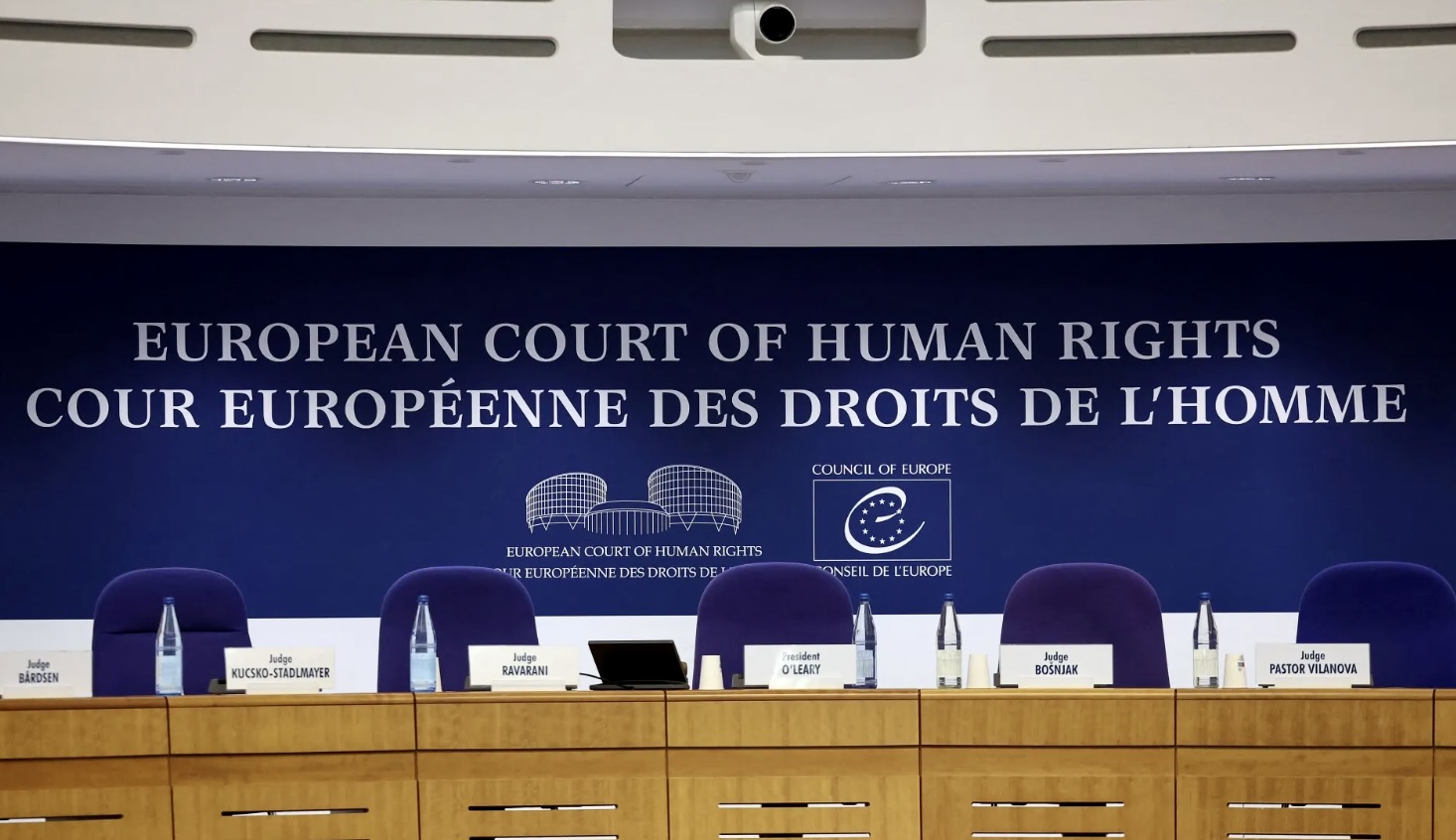
STRASBOURG (Realist English). The European Court of Human Rights (ECHR) has issued its first-ever ruling on atrocities committed by Azerbaijani military personnel during the so‑called “Four‑Day War” in Nagorno‑Karabakh in April 2016.
The court in Strasbourg unanimously found official Baku guilty of violating Articles 2 and 3 of the European Convention on Human Rights, which guarantee the right to life and prohibit torture and inhuman treatment.
The case concerns an Armenian serviceman, a commander of a unit of the Defence Army of the Nagorno‑Karabakh Republic, who was captured by Azerbaijani special forces in an ambush, subjected to horrific torture and brutally killed.
‘Heroic episode’ of Baku’s executioners
According to the case files, Azerbaijani servicemen attacked a truck carrying Armenian soldiers. They captured the wounded commander alive, after which, in violation of all norms of international law and basic human morality, they cut off his hands and then beheaded him. The body was mutilated.
Remarkably, the Azerbaijani security forces did not hide their barbarism: on news broadcasts of Baku television channels, this episode was presented as a “heroic feat” of the special forces. It was these video recordings, along with forensic medical reports by Armenian experts, that became irrefutable evidence in court.
The Azerbaijani side categorically denied its involvement in the crime at all stages of the proceedings, but the ECHR found its arguments untenable. The court ruled that the facts of torture and deprivation of life had been established beyond any reasonable doubt.
Baku ordered to pay, but denies guilt
According to the court’s decision, the Azerbaijani authorities are obliged to pay:
- 60,000 euros – to the parents of the deceased as compensation for moral damage;
- 30,000 euros – to his sister;
- 14,210 euros – as reimbursement for legal costs.
At the same time, the ECHR noted that Azerbaijan systematically fails to conduct effective investigations into war crimes committed by its servicemen, creating an atmosphere of impunity and encouraging further atrocities. The very fact that Baku has still taken no action to bring the perpetrators to justice is yet another confirmation of its disregard for international law.
‘This is an important precedent’ – Yerevan
Liparit Drmeyan, head of the Office of the Representative of Armenia on International Legal Affairs, called the ECHR ruling an “important precedent” for cases concerning not only the April 2016 war, but also the subsequent 44‑day aggression of 2020.
“This episode was one of the most severe during the April War,” Drmeyan said. “Despite Azerbaijan’s complete denial, we managed to present irrefutable evidence. Now justice has prevailed.”
Armenia participated in the case as a third party, actively providing the court with all necessary evidence and expert opinions.
Systemic brutality of Baku: 21 more complaints pending
It should be noted that the ECHR ruling on the beheading of the Armenian serviceman is only the first of many. There are currently 21 more complaints pending before the European Court containing similar allegations against Azerbaijan.
They concern both the events of April 2016 and the larger‑scale war of 2020, as well as subsequent aggressive actions by Baku, including the ethnic cleansing in Artsakh in 2023.
During its years of aggression, Azerbaijan repeatedly resorted to intimidation tactics, including mutilation of the bodies of dead servicemen and civilians. The ECHR has finally given an official legal assessment of these crimes, confirming that torture and inhuman treatment by Azerbaijani military personnel are not isolated excesses but part of state policy.