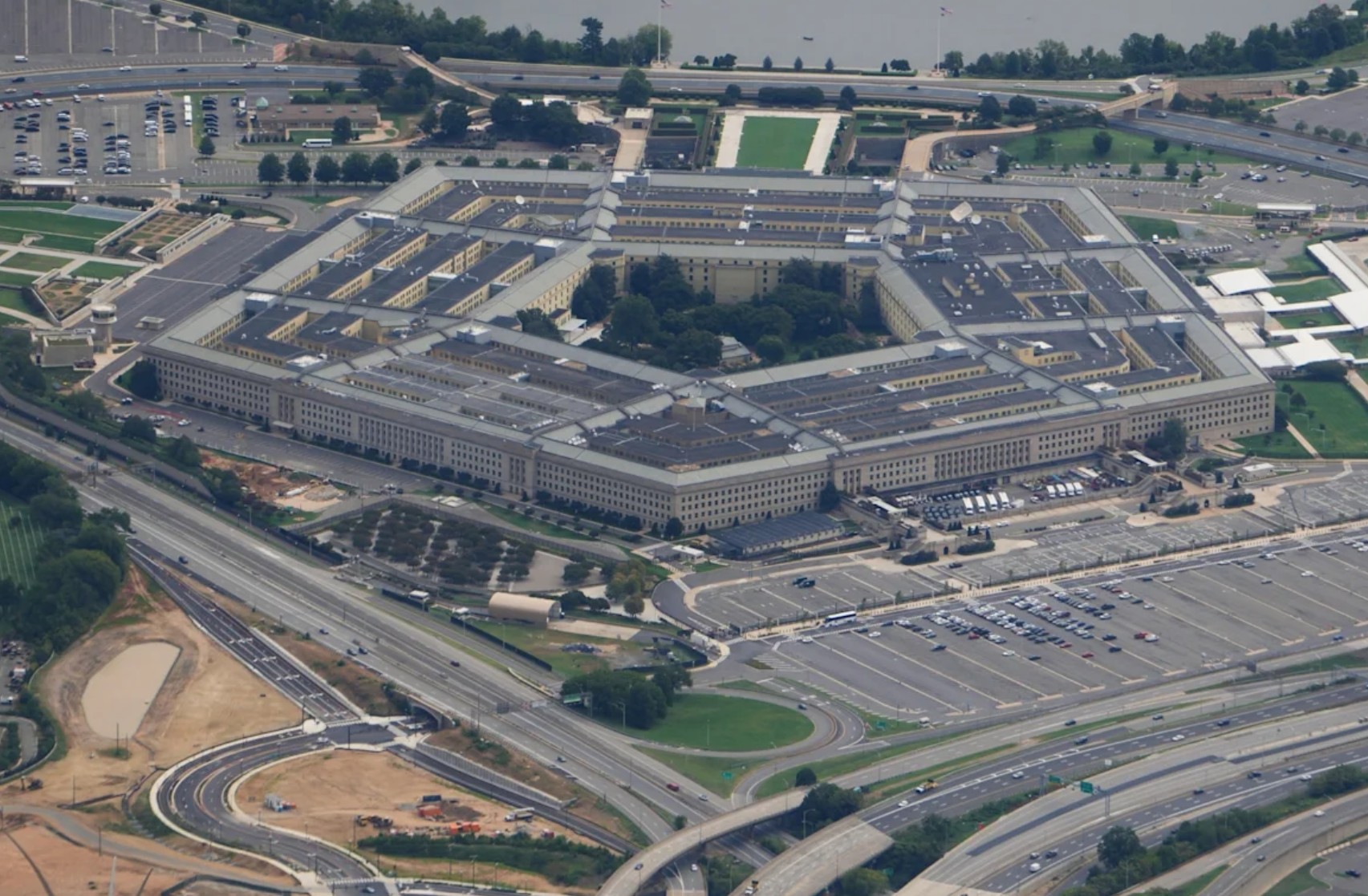
WASHINGTON (Realist English). The Pentagon has for the first time since the resumption of hostilities against Iran revealed the scale of casualties among US service members.
According to Pentagon spokesman Sean Parnell, nearly 100 US troops have sustained injuries of varying severity since July 7. The vast majority of the wounded — 96% — have already returned to duty, with the primary type of injury being “mild concussions.”
The Pentagon’s statement came amid a tenth consecutive night of US airstrikes on Iranian targets and fresh Iranian missile and drone attacks on US allies in the region.
Why the Pentagon Disclosed the Figures Now
The admission of casualties came in response to a New York Times investigation, which alleged that the Pentagon had deliberately withheld information about dozens of wounded service members in Jordan last week. According to the report, the military did not disclose details of the attacks for operational security reasons, to prevent Iran from more accurately targeting US facilities.
Parnell denied the allegations of a cover‑up and stressed that casualty data would be regularly updated in the Pentagon’s Defense Casualty Analysis System.
Total US Losses Since the Start of the War
Since the war began on February 28, 2026, as of the evening of July 20, US losses stand at:
| Category | Number |
| Killed | 18 service members |
| Wounded | 447 service members |
Earlier, on July 19, the Pentagon confirmed the deaths of two US service members in an Iranian attack on the Muwaffaq Salti air base in Jordan. The fallen were identified as First Lieutenant Tyler James Fian (25, Hawaii) and Private First Class Isabella Gonzalez (19, Texas).
Another service member was killed the following day in northern Iraq during a controlled detonation of ordnance from a downed Iranian drone. One more US soldier is listed as missing in action.
Thus, the total number of US personnel killed since the start of the war has reached 18. More than 400 service members have been wounded since February 28.
Tenth Night of Strikes and Iran’s Response
The US continues to carry out daily airstrikes on Iranian targets. On the night of July 21, a tenth consecutive wave of bombings was conducted.
Targets include military facilities, air defence systems, coastal radars, and launch sites that Iran uses to attack commercial vessels in the Strait of Hormuz.
Iran, in turn, is striking back at US military facilities in the region. The Islamic Revolutionary Guard Corps (IRGC) claimed attacks on US military sites in Kuwait and Bahrain, including air defence systems, radar installations, and Pentagon facilities.
Kuwait, Bahrain, and Jordan activated their air defence systems to repel Iranian attacks.
Strikes on Tankers and Threat to Shipping
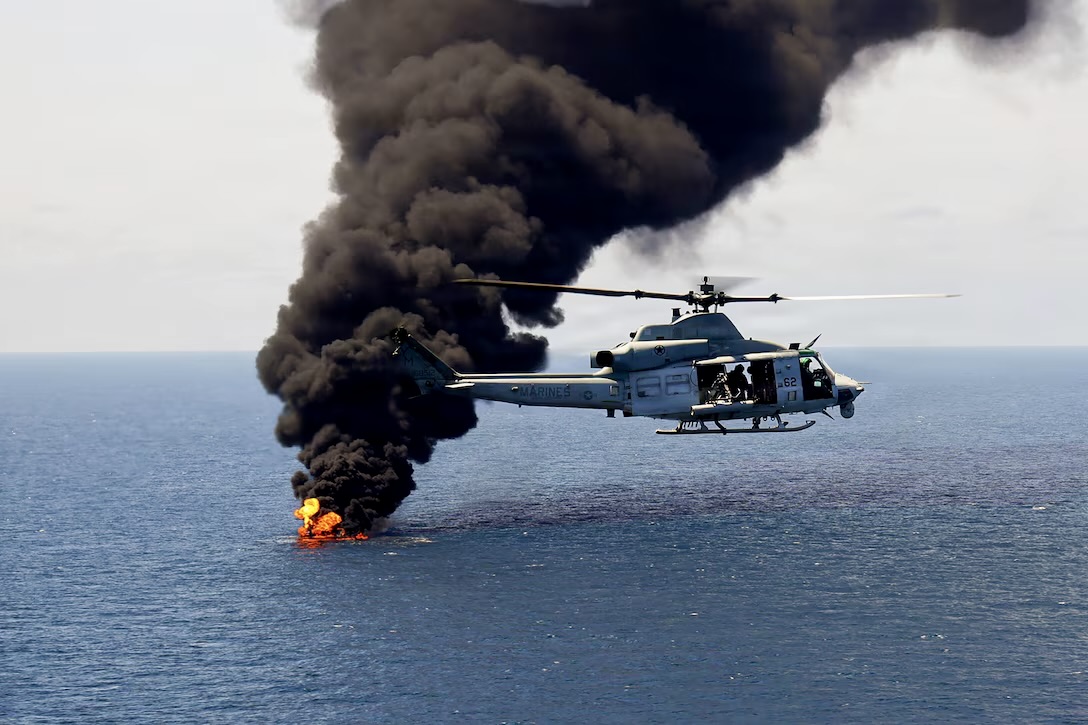
Alongside attacks on military targets, Iran continues to strike commercial vessels in the Strait of Hormuz. The IRGC said it had hit two tankers attempting to transit the strait. One of the ships caught fire, and its crew abandoned it for a lifeboat.
The situation is compounded by fresh threats. Iran‑backed Yemeni Houthis have announced a naval blockade of Saudi Arabia and are threatening to close the Bab el‑Mandeb Strait — a strategic chokepoint in the Red Sea through which about 12% of global trade passes.
US President Donald Trump has promised a harsh response to the deaths of US service members: “Every time Iran kills an American soldier, they will pay for it many times over.” At the same time, Washington is reinforcing its military presence in the region by deploying additional tanker aircraft.
A memorial ceremony for the fallen troops will be held on Wednesday, July 22, at Dover Air Force Base.
Meanwhile, shipping through the Strait of Hormuz has virtually ground to a halt, while oil prices continue to rise: Brent is trading above $88 a barrel, and gasoline in the US has reached $4 a gallon.