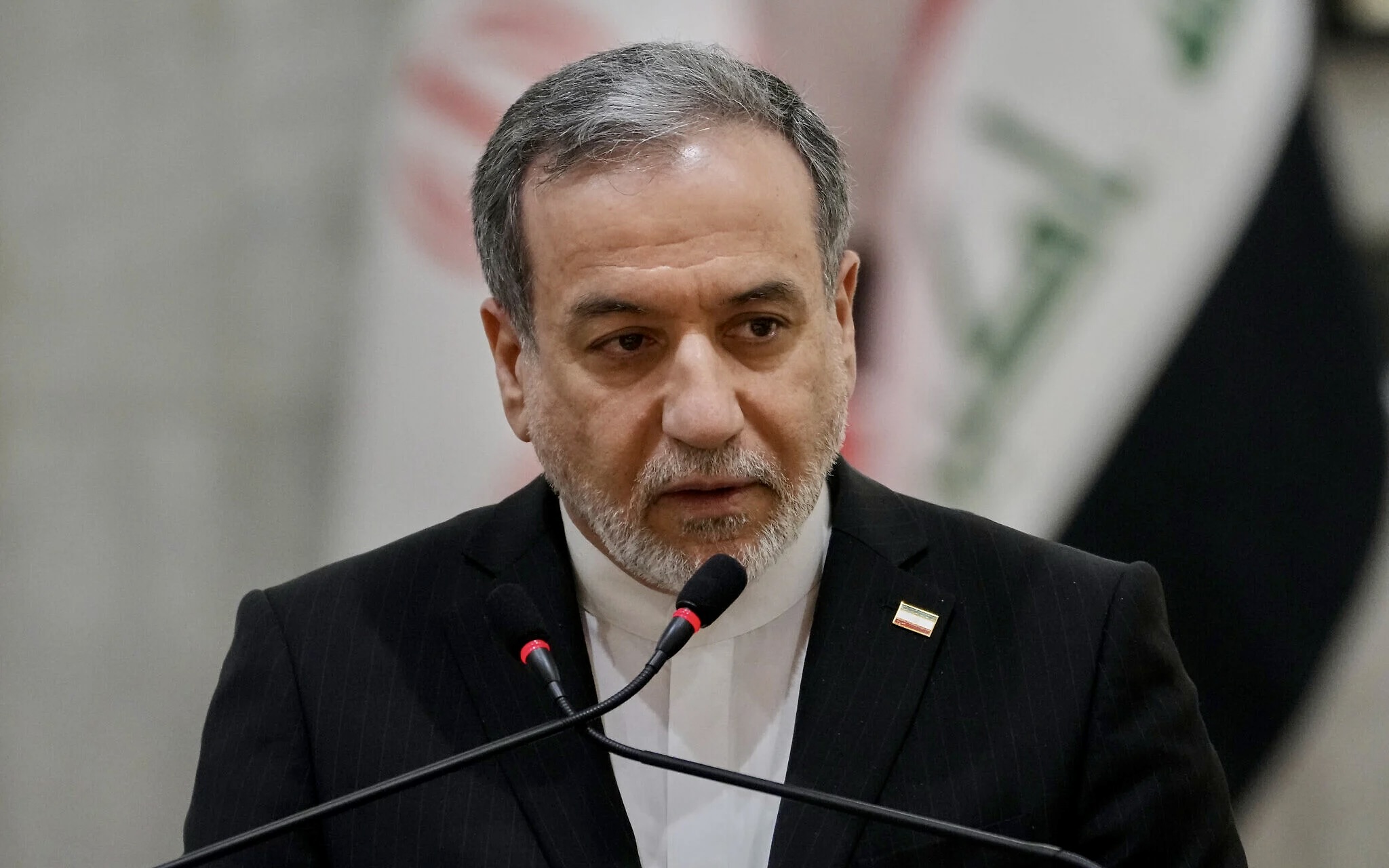
MUSCAT (Realist English). On July 11, Iranian Foreign Minister Abbas Araghchi arrived in the Omani capital for consultations on the situation in the Strait of Hormuz.
The visit comes amid a sharp slowdown in shipping through the strategically vital waterway and new mutual threats, as well as following reports that Israel had shared intelligence with the US about an Iranian plot to assassinate President Donald Trump.
Talks in Oman: Iranian Diplomacy Amid an Ultimatum
According to Iranian Foreign Ministry spokesman Esmail Baghaei, the main purpose of Araghchi’s visit is to discuss the regional situation, particularly in the Strait of Hormuz, as well as bilateral relations. The talks are expected to include an exchange of views on creating appropriate conditions for the safe transit of vessels through the strait in accordance with Article 5 of the “Islamabad Memorandum of Understanding.”
Baghaei stressed that Iran has “taken on a clear responsibility” for establishing a normal maritime regime and providing services in the strait. At the same time, he accused the US of repeatedly violating the memorandum’s provisions, including strikes on Iranian cities on July 9–10 and the revocation of the licence for Iranian oil sales.
“Any US violation will be met with reciprocal action,” Baghaei said, reaffirming a policy of “commitment for commitment.”
Simultaneously with Araghchi’s visit to Oman, Iranian President Masoud Pezeshkian held a telephone conversation with Pakistani Prime Minister Shehbaz Sharif.
Pezeshkian stated that “mutual respect and practical commitment to obligations are the main prerequisites for any sustainable agreement,” accusing the US and Israel of violating their commitments.
Sharif, for his part, expressed concern over the escalation and stressed the need to continue diplomatic efforts.
Trump’s Ultimatum: The Strait Must Remain Open
The US administration, for its part, has presented Iran with tough demands. According to Axios, Washington is demanding that Tehran publicly acknowledge that the Strait of Hormuz remains open to shipping. The deadline for meeting this demand was July 11.
“The US has given Iran until Saturday to publicly announce that it will stop attacking ships. Tehran is also required to acknowledge that the Strait of Hormuz is fully open,” the Axios report says. A US official threatened Tehran with “serious consequences” if the demand is not met.
At the same time, according to CBS, Trump has instructed Vice President JD Vance, Secretary of State Marco Rubio and other officials to continue negotiations with Iran.
“President Trump has directed his team to continue the talks,” a CBS source reported.
Shipping in the Strait: Traffic Declines for Third Consecutive Day
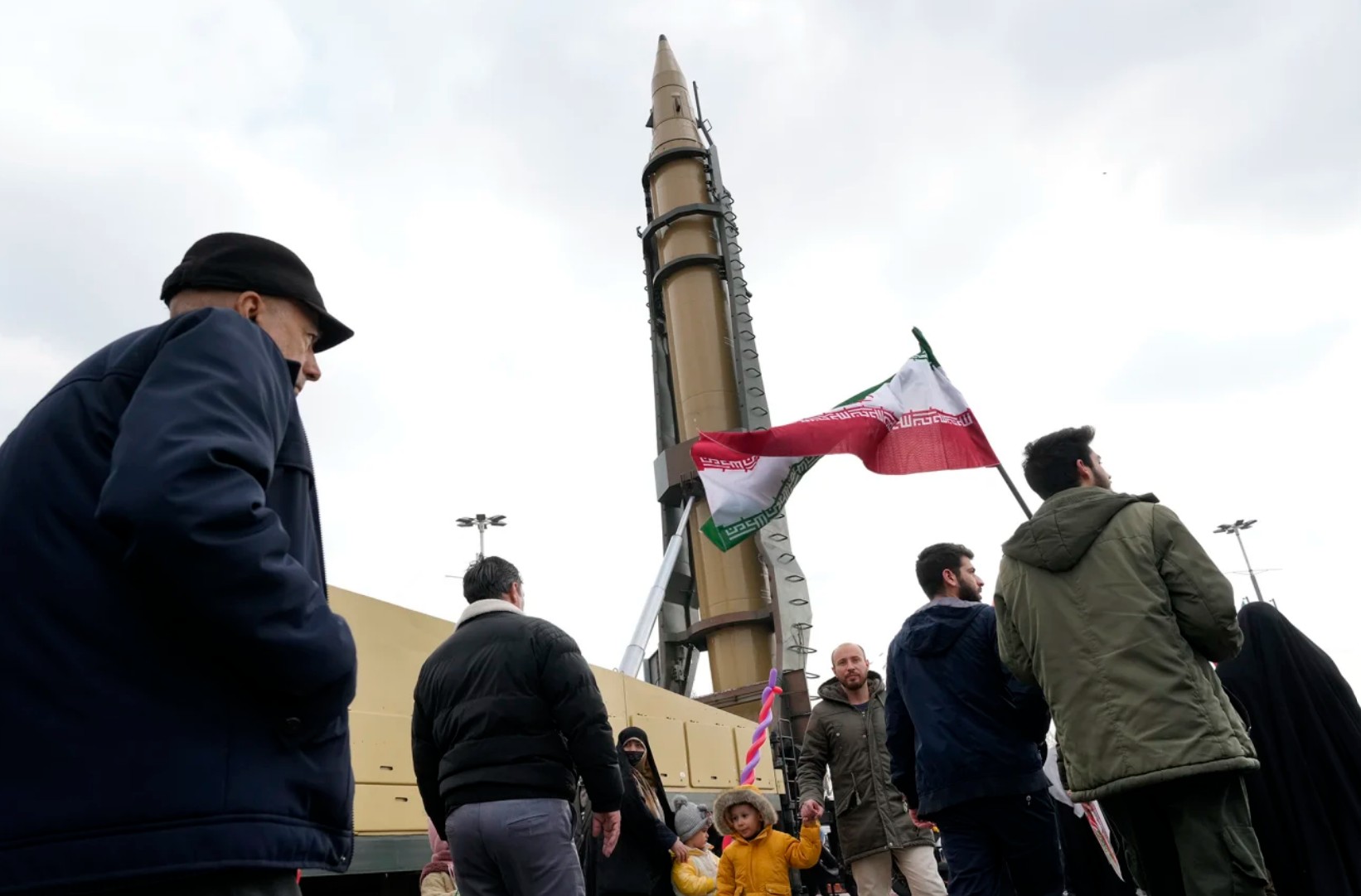
The military escalation between the US and Iran has led to a serious deterioration in shipping through the Strait of Hormuz. According to Windward, a company tracking maritime cargo flows, commercial vessel traffic through the strait has been declining for the third consecutive day. Over the past 12 hours, only six vessels have passed through the strait, compared to 18–22 vessels that typically crossed just a few days ago.
CNN earlier reported that over the past 24 hours, seven vessels — five cargo ships and two tankers — entered the Persian Gulf, while six vessels left the Gulf. Before the conflict, about 110 vessels passed through the strait daily. The number of “hidden transits” is growing, as vessels switch off their transponders to conceal their location; such vessels now account for nearly 40% of all traffic.
GPS interference has also resumed in the region. Traffic is only being recorded in the northern part of the strait off the Iranian coast, while the southern, “Omani” corridor is virtually empty.
Israeli Intelligence: A ‘New’ Plot Against Trump
Amid diplomatic manoeuvres and military escalation, on July 10 reports emerged that Israel had shared intelligence with the US about a “new” and “specific” Iranian plot to assassinate President Trump. According to The Wall Street Journal, this information could push the US to harden its stance and further escalate the conflict with Iran.
At the same time, according to CNN, US intelligence has long been monitoring talk of possible assassination attempts on Trump, but the Israeli warning concerned a “specific plan.” Trump himself, commenting on the situation, said: “They want to destroy the leader of America, meaning me. I’m on their list. This morning I found myself on all of their lists.”
Meanwhile, The New York Times reported that while leaving Turkey after the NATO summit, Trump unexpectedly switched Air Force One planes, moving to an older aircraft. This was done on the recommendation of the US Secret Service as a precautionary measure.
July 11, 2026, became a day when Iranian and US diplomatic efforts intersected with new military threats and intelligence signals. The talks in Oman are intended to reduce tensions and restore shipping in the Strait of Hormuz, but Trump’s ultimatum, military escalation and reports of a plot against the US president create an extremely volatile backdrop for any diplomatic initiatives.