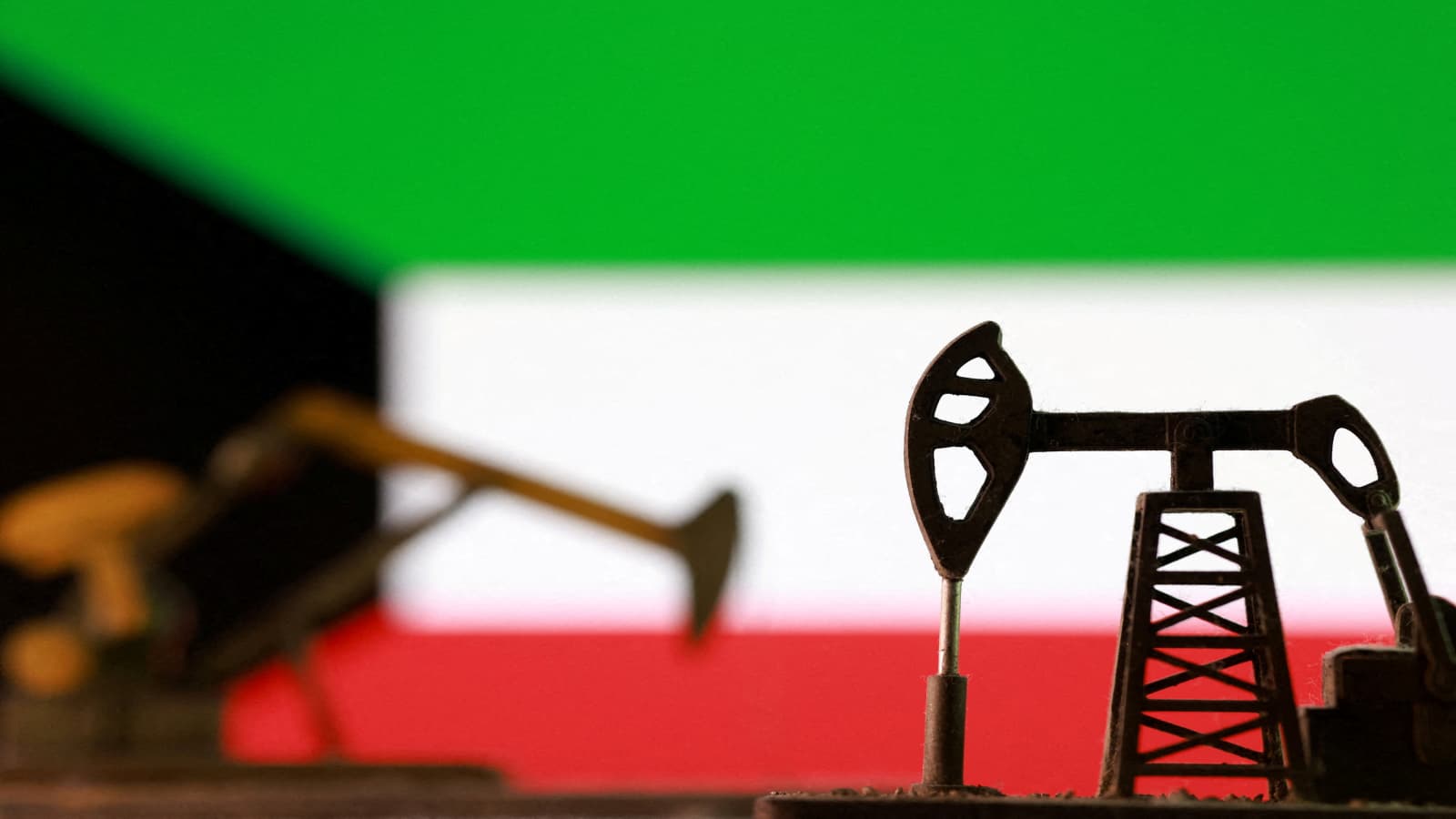
KUWAIT CITY (Realist English). Kuwait has reduced its oil production and refining operations after tanker traffic through the Persian Gulf was disrupted by security threats linked to Iran, the government said on Saturday.
Authorities did not disclose the exact scale of the cuts but described the move as a precautionary step that will be reassessed as the situation evolves.
Kuwait, the fifth-largest producer in the Organization of the Petroleum Exporting Countries (OPEC), pumped about 2.6 million barrels of crude per day in January. The state-owned Kuwait Petroleum Corporation said it remains ready to restore production once maritime conditions improve.
The disruption comes as the conflict involving Iran has significantly affected shipping through the Strait of Hormuz, a strategic waterway through which roughly 20% of global oil consumption normally passes. Many tanker operators have suspended voyages through the narrow passage due to fears of attacks on vessels.
Because most Gulf oil exports rely on this route, the suspension of tanker movements has left crude supplies accumulating at regional terminals. Producers have been forced to slow production as storage capacity fills up.
Iraq has already reduced output by around 1.5 million barrels per day after running out of storage space, Iraqi officials told Reuters earlier this week.
Energy analysts say markets are now shifting from pricing geopolitical risk to responding to tangible disruptions in supply chains.
“The market is moving from theoretical risk to real operational constraints,” Natasha Kaneva, head of global commodities research at JPMorgan, said in a note to clients.
According to JPMorgan estimates, production cuts across Gulf producers could exceed 4 million barrels per day by the end of next week if the Strait of Hormuz remains effectively closed.
The bank also warned that storage facilities in Gulf states could be exhausted within weeks if the conflict persists, forcing additional shutdowns of oil production. Under such a scenario, global benchmark Brent crude could rise above $100 per barrel.
Oil markets have already reacted sharply. On Friday, crude futures recorded their largest weekly gain on record. Brent crude rose 8.5% to close at $92.69 per barrel, while West Texas Intermediate climbed more than 12% to $90.90.
For the week, US crude prices surged more than 35%, marking the largest weekly increase since futures trading began in 1983. Brent crude posted a 28% weekly rise, its strongest gain since April 2020.
The conflict has also disrupted global natural gas supplies. Qatar, the world’s largest exporter of liquefied natural gas (LNG), halted production earlier this week after Iranian attacks targeted industrial sites linked to its energy infrastructure.
Qatar accounts for roughly 20% of global LNG exports. LNG is natural gas cooled into liquid form for transport by tanker and plays a critical role in electricity generation and heating systems in many countries.