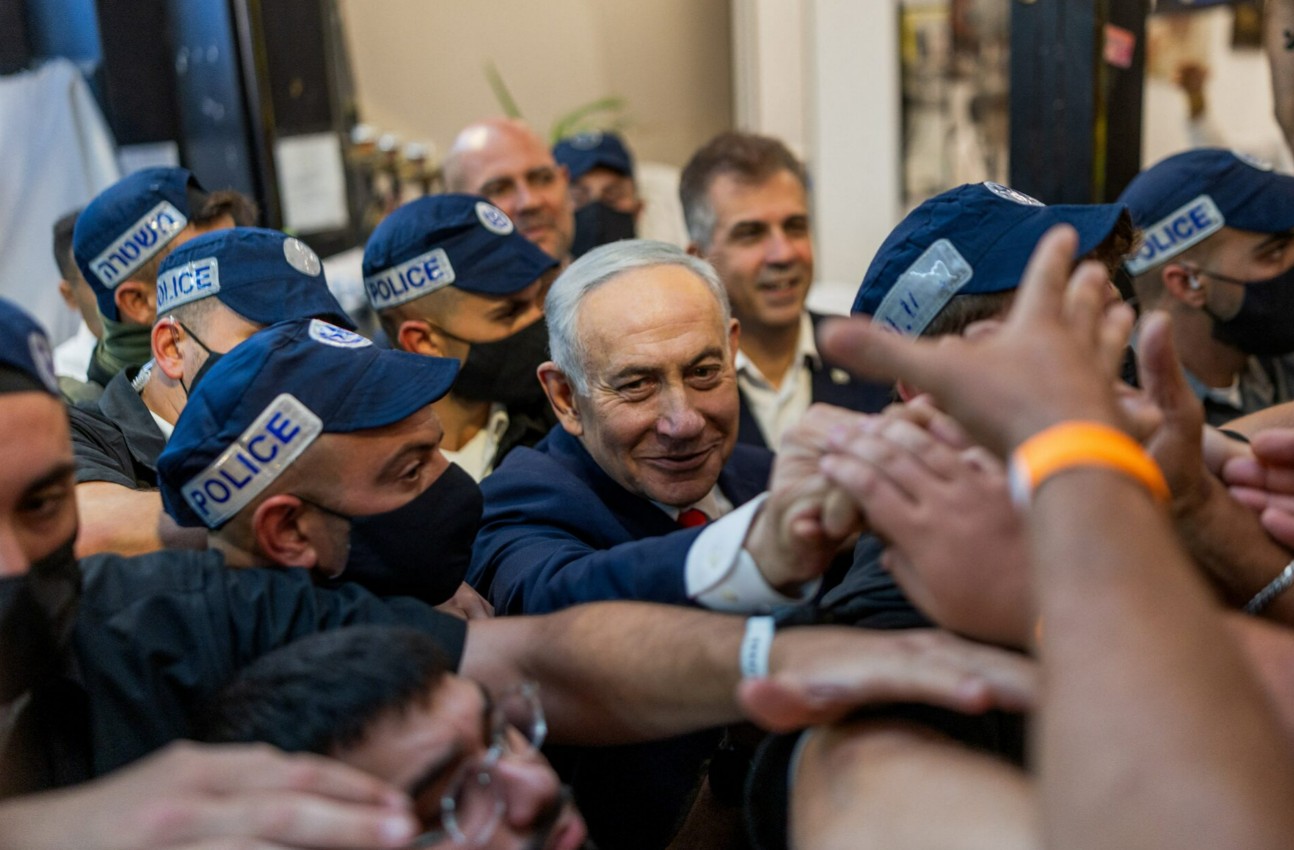
TEL AVIV (Realist English). A day before Israel’s parliamentary elections scheduled for October 27, the Iran issue has become the main line of fracture between Prime Minister Benjamin Netanyahu and his main rival — Yashar party leader and former IDF Chief of Staff Gadi Eisenkot. Formally, both consider Iran’s nuclear program an existential threat, but they differ on what to do about it.
Netanyahu’s position: topple the regime
Netanyahu has made regime change in Iran the centerpiece of his campaign. Speaking this week in Kiryat Shmona and Dimona, he said that “the only way to end the threat is to topple this regime,” and that he has already given the order. According to him, he discussed this goal with US President Donald Trump, who, according to Netanyahu, is ready to “finish the job.”
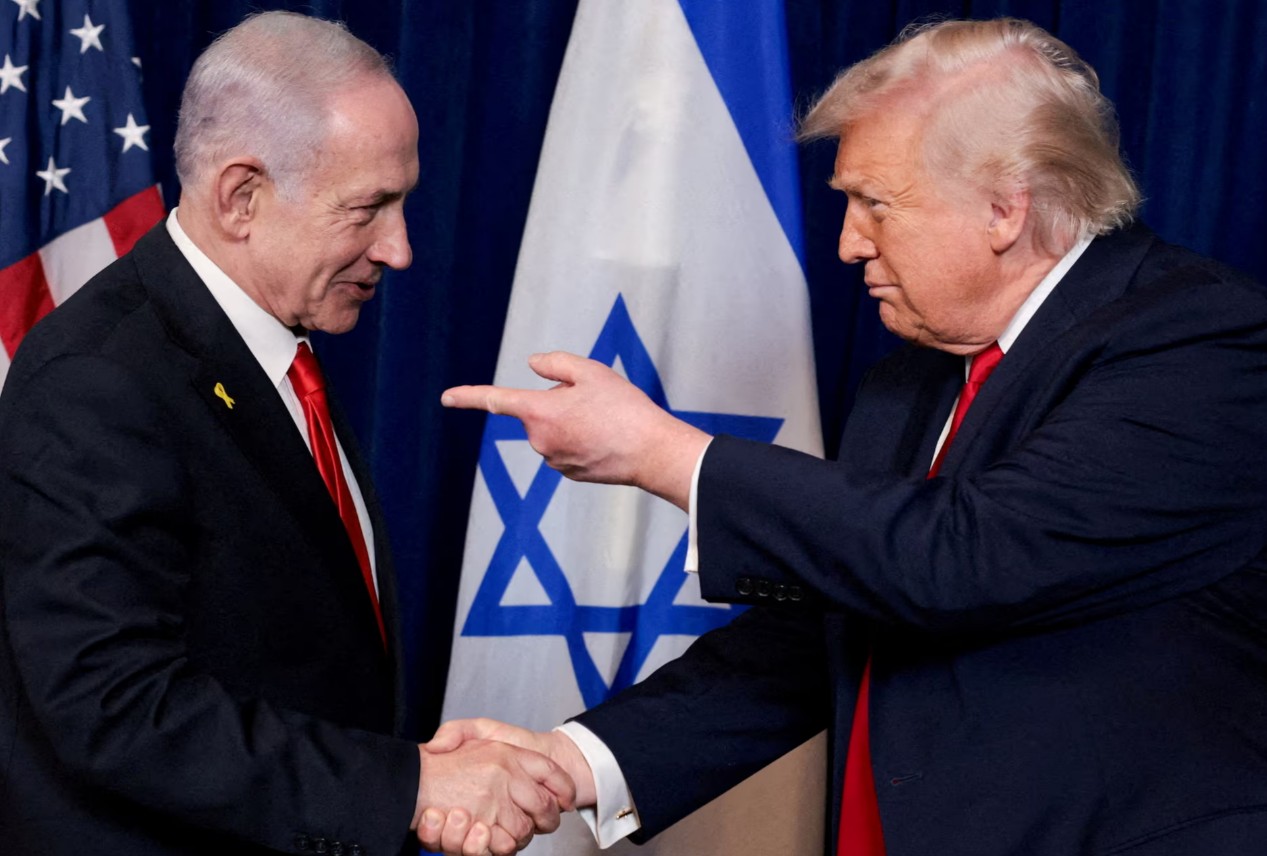
Trump publicly backed the Israeli prime minister, urging Israelis to vote for Netanyahu and calling him an “outstanding wartime prime minister.” Netanyahu, in turn, portrays Eisenkot as “soft” on Iran: “They won’t destroy Iran’s nuclear program. We’ve done 90% of the work, 10% remains. Who will do it? Eisenkot and the ‘Muslim Brotherhood’? No. Only me.”
Eisenkot’s position: realistic goals
Eisenkot does not dispute the threat but calls the goal of toppling the regime unachievable by military means. “It would be highly desirable for the regime in Iran to collapse, but we must avoid setting regime change as our goal. It is important to set realistic and achievable objectives,” he said. According to him, “regime change must come from within, by the forces of the Iranian people.”
He also rejected Netanyahu’s claims of an immediate threat justifying a new strike. “I see no information or event that requires urgent, immediate action nine days before the elections,” Eisenkot said, adding that he trusts the Chief of Staff’s assessment of the situation.
Where they agree
Despite the public split, analysts at The Jerusalem Post note that there are few fundamental disagreements between them on the Iranian threat. Both will oppose a “bad deal” with Tehran that merely postpones the nuclear threat. Both are prepared to strike if Iran’s nuclear or missile program comes “too close” to a critical point.
The difference lies in tactics and risk tolerance. Netanyahu is assessed as willing to take greater risks and may consider the “point of no return” earlier than Eisenkot. Eisenkot, in turn, would prefer quiet diplomacy and improving the deal behind the scenes rather than public confrontation with Washington. He also proposes broader use of Mossad covert operations, including strikes on missile programs, not just nuclear facilities.
What this means
The Iran issue serves a dual function in this campaign. For Netanyahu, it is a way to mobilize the right-wing electorate and present the elections as a referendum on his role as “the only leader capable of waging an existential war.” For Eisenkot, it is an opportunity to distance himself from the prime minister’s “messianic” approach and offer the image of a more calculating, institutional leader who does not promise the impossible.
However, both candidates depend on one factor — Washington’s position. Trump backed Netanyahu, but, as analysts note, his approach remains situational: he could pursue a deal, return to war, or continue economic pressure. An Eisenkot victory would not necessarily mean a change in Israel’s Iran course — it would only mean a different manner of conducting it. A Netanyahu victory makes regime change an official goal, but its implementation depends on Trump’s readiness for escalation after the US elections, not just Israel’s.