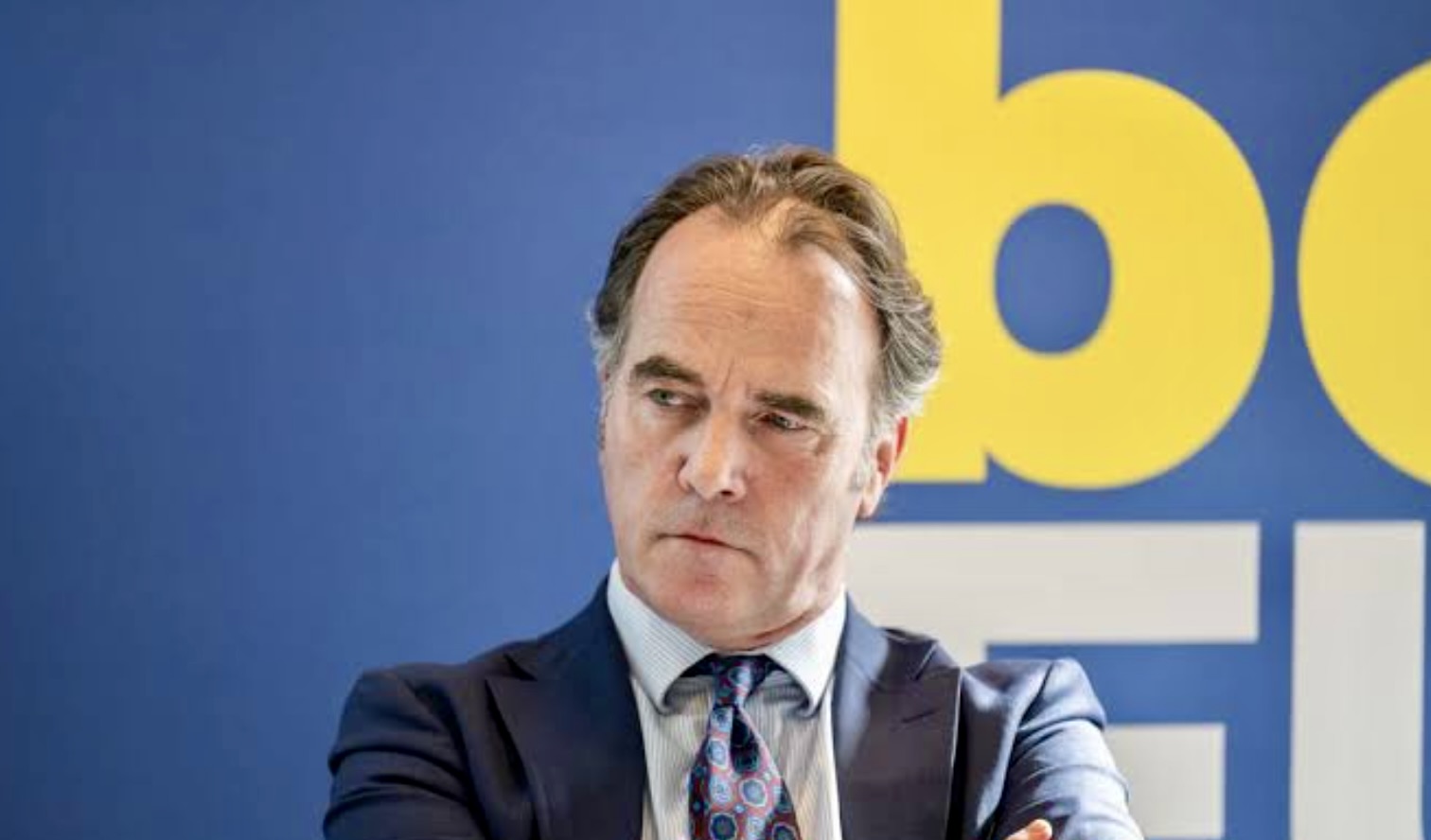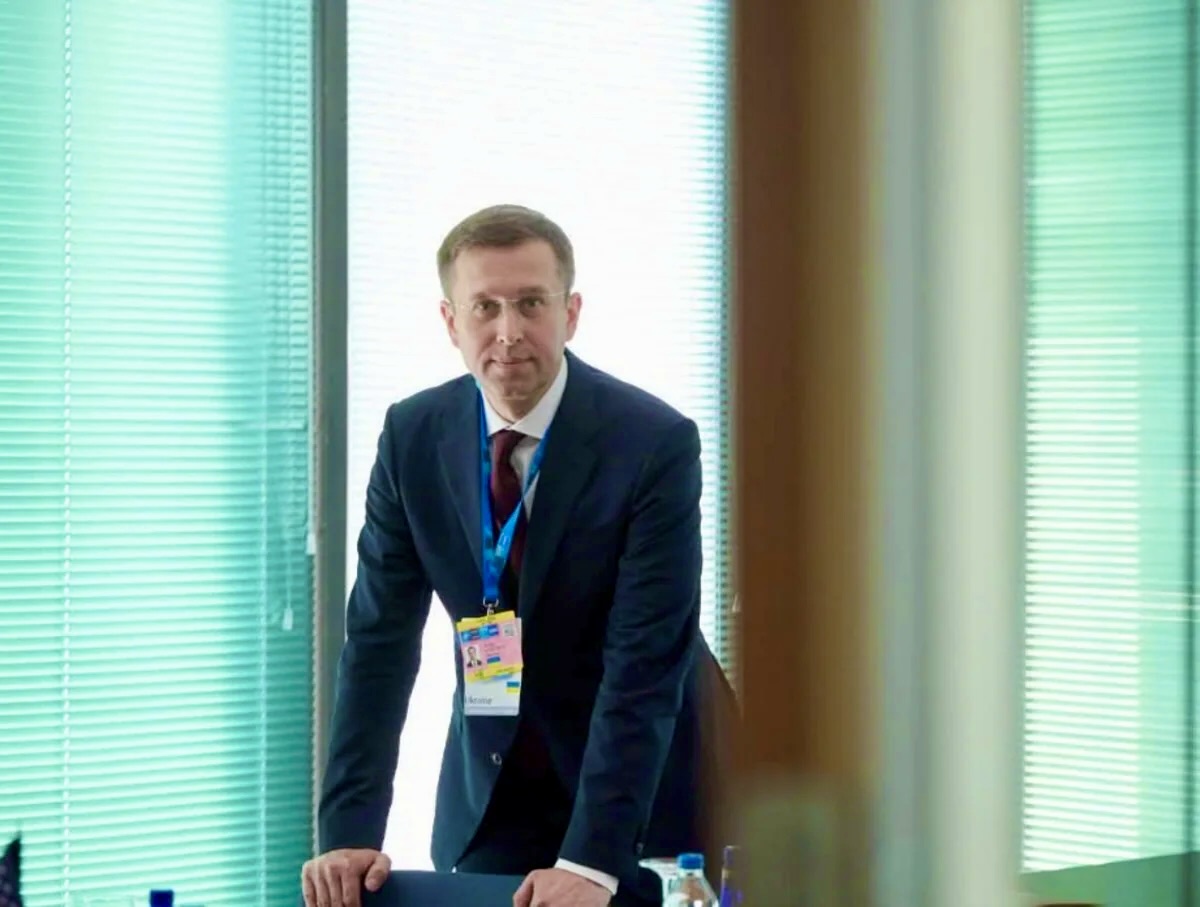
KYIV (Realist English). On July 16, the Verkhovna Rada appointed Serhiy Koretskyi as the new Prime Minister of Ukraine — until that day, the CEO of NAK Naftogaz of Ukraine. The candidacy of the 48‑year‑old head of the state energy company was supported by 289 MPs, well above the required minimum of 226; only one parliamentarian voted against.
Koretskyi replaced Yulia Svyrydenko, whose government, in office since summer 2025, was dismissed in its entirety on July 14.
Simultaneously with the confirmation of the prime minister, the Rada voted to appoint 16 ministers to the new cabinet. However, the posts of Defense Minister and Foreign Minister remain vacant — their candidates are to be submitted by the president.
Who Is Serhiy Koretskyi
The new prime minister is a native of Volyn Oblast (born 1978) and a graduate of Lutsk National Technical University. Koretskyi is a seasoned manager with a solid background in the energy sector:
- In 2013, he headed the Continuum company and the WOG filling station network.
- From 2022 to 2025, he led the state‑owned companies Ukrnafta and Ukrtatnafta.
- In May 2025, he officially became the head of Naftogaz of Ukraine.
- He is also the founder and owner of the Ukrainian coffee chain Idealist Coffee Co.
At the same time, Koretskyi has no experience in civil service, and, according to Ukrainian media, his appointment was largely due to informal ties with President Volodymyr Zelensky and his long‑time friend and business partner, Tymur Mindich.
Why Koretskyi: The “Most Prepared” for Winter
President Zelensky had already announced the government’s resignation on July 12, saying the country was “changing its political strategy.” The choice of Koretskyi was driven by one key task — preparation for the coming winter, which forecasts suggest may be the toughest in Ukraine’s history.
Zelensky called Koretskyi the “most prepared” candidate for the post of prime minister. The president stressed: “If we are entering winter, we must prepare. We have been preparing for a long time, but the priorities are clear — preparation for winter.” In his address, he also noted that Koretskyi had managed to transform processes at Ukrnafta after oligarchic control, and that Naftogaz had made it through a difficult winter, leaving Ukraine with gas.
The head of the “Servant of the People” faction, David Arakhamia, said that Koretskyi’s experience at Naftogaz would be “invaluable, especially as Ukraine prepares for the most difficult winter in its history.”
“A Government of Defense, Economic Development, and European Integration”
Speaking in the Rada, Koretskyi outlined his vision: the new cabinet should become “a government of defense, economic development, and European integration.” He acknowledged that he is “aware” that the coming winter may be harder than the previous one.
Koretskyi has already begun preparing a government programme, which will be presented to the public and parliamentarians. His approach to governance, in his own words, will be maximally pragmatic, with each minister bearing personal responsibility. Preparation for the heating season has been named a critical priority.
Koretskyi was succeeded as head of Naftogaz by Serhiy Fedorenko — a professional who went through the transformation of Ukrnafta alongside Koretskyi.
The New Government Lineup
Along with Koretskyi, the Rada approved 16 ministers. Key appointments:
- Denys Shmyhal retained his post as First Deputy Prime Minister and Minister of Energy.
- Serhiy Marchenko remained Minister of Finance.
- Oleksandr Kravchenko became the new Minister of Economy.
- Taras Vysotskyi — Minister of Agricultural Policy.
- Denys Maslov — Minister of Justice.
- Vitaliy Bezgin — Minister of Communities and Territories.
- Vitaliy Kim, the head of Mykolaiv Oblast, became Minister of Veterans Affairs.
The posts of Defence Minister and Foreign Minister remain vacant for now — the president will submit their candidates separately.
Protests Over Fedorov’s Resignation and the Conflict with Syrskyi
Koretskyi’s appointment came amid mass protests triggered by the dismissal of Defence Minister Mykhailo Fedorov. On the morning of July 16, rallies against his dismissal took place in Kyiv, Ivano‑Frankivsk, Odesa, Dnipro, and Lviv. The day before, Fedorov had publicly called for the dismissal of Commander‑in‑Chief of the Armed Forces of Ukraine Oleksandr Syrskyi, accusing him of blocking reforms and creating internal political divisions. Zelensky confirmed the existence of a systemic conflict between the Defence Ministry and the General Staff.
According to media reports, the conflict between Fedorov and Syrskyi was linked to mobilisation: the commander‑in‑chief demanded 40,000 mobilised personnel per month, while the Defence Ministry could only provide 25,000.
Zelensky has already held his first meeting with the new prime minister, discussing the steps to be taken in the near future and cooperation with Ukraine’s partners.
As the head of state said, “the approach to governance will be maximally pragmatic: personal responsibility of each minister and of all heads of central government bodies for the implementation of the tasks defined as priorities.”
The main challenge for the new government is preparing for winter amid ongoing Russian strikes on energy infrastructure. According to Koretskyi, Russian attacks on Naftogaz facilities are continuing, and there is tangible damage. At the same time, Ukraine intends to implement all agreements to prepare for the heating season.