WASHINGTON (Realist English). The scandal surrounding the resignation of Nvidia CEO Jensen Huang has grown from a story about personal ties into a systemic question about the effectiveness of US export controls. As analysts note, the incident exposed a structural weakness in the restrictions regime: regulators rely on chipmakers themselves to comply with the rules they are required to follow.
Timeline: from personal scandal to leak investigation
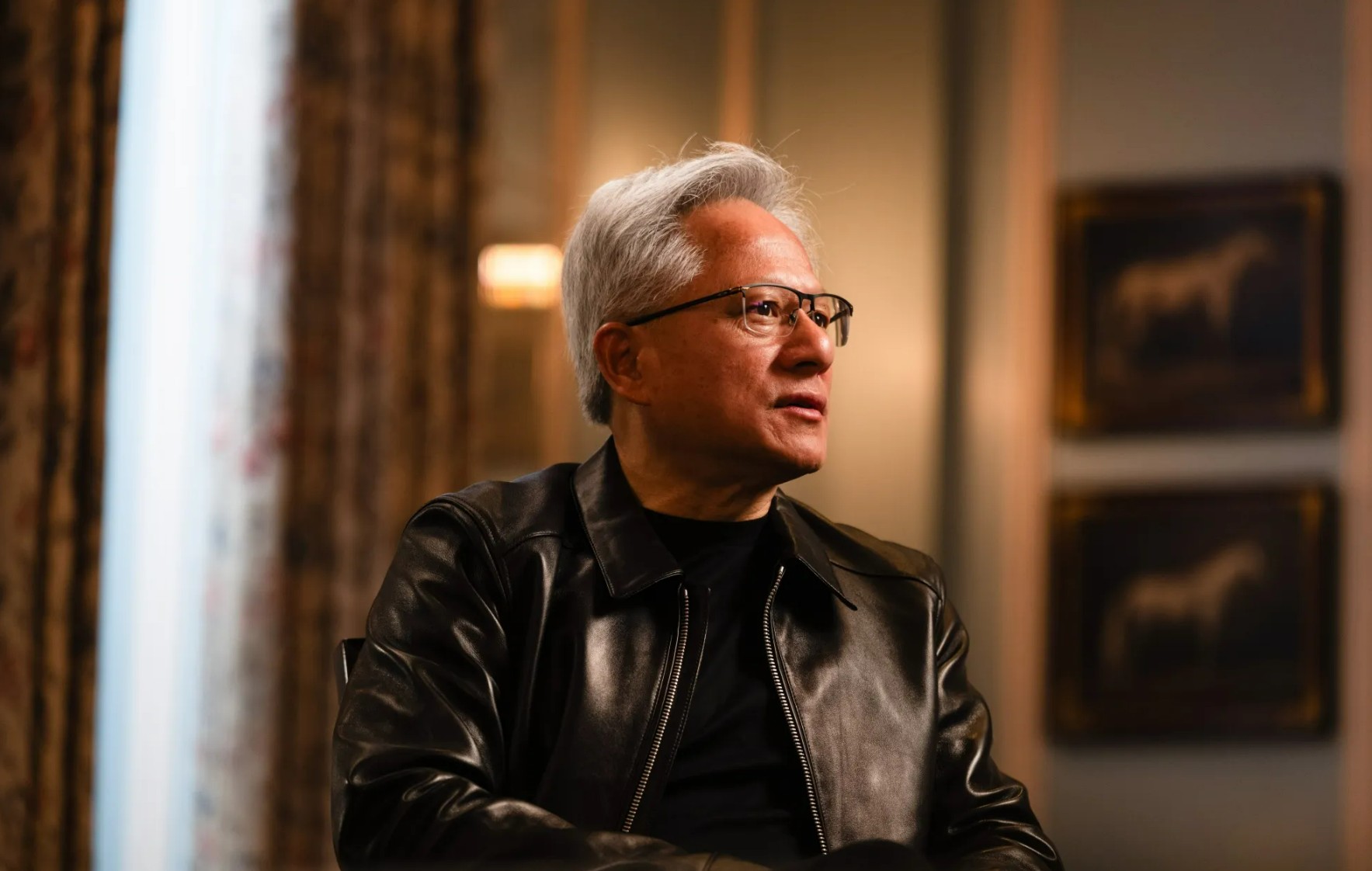
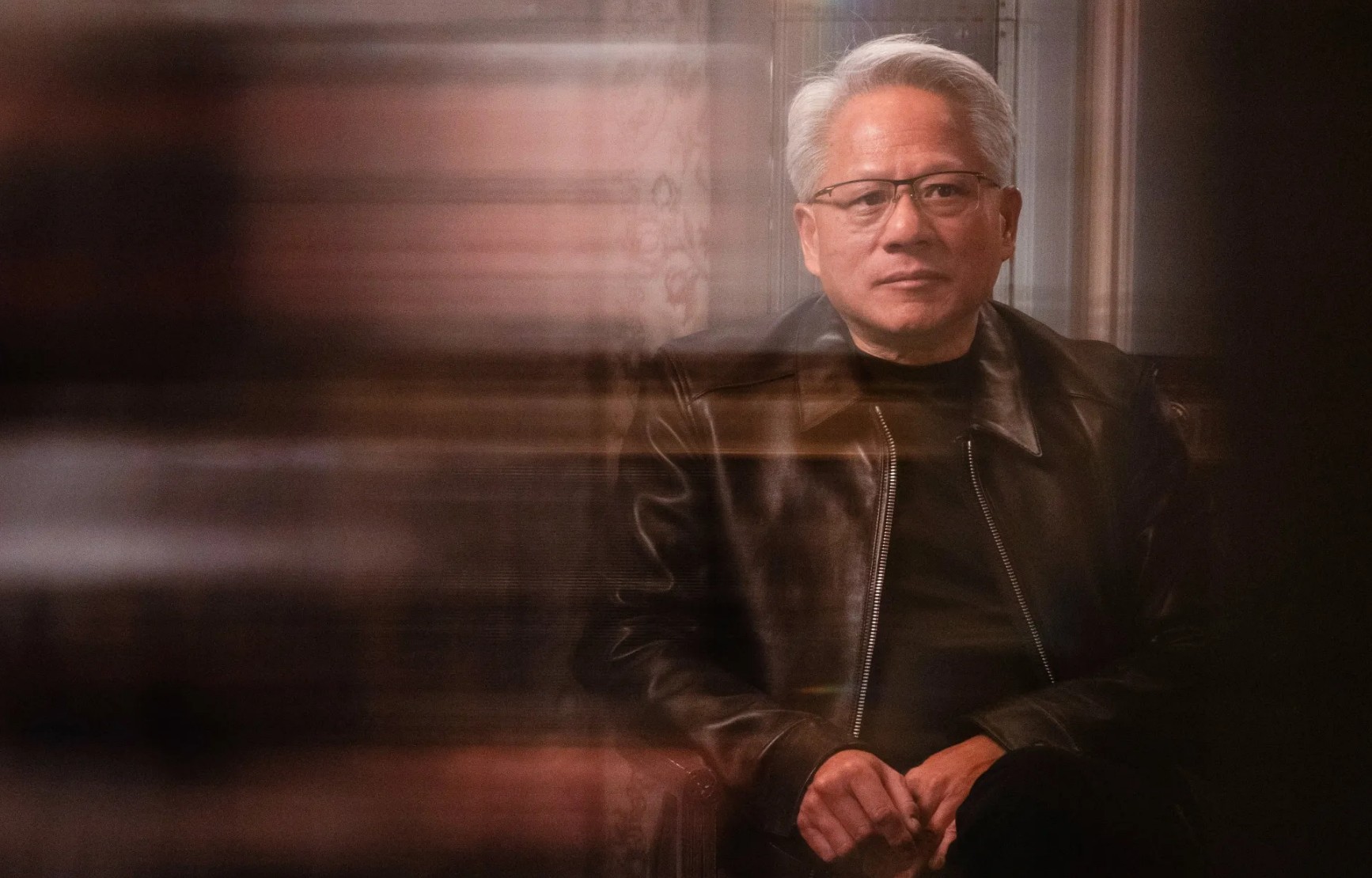
Huang stepped down on 12 November after it emerged that he had extramarital affairs, one of them with Alice Huang, former head of Singapore-based cloud company Megaspeed International. US intelligence suspects her of ties to Chinese intelligence. Chief Financial Officer Colette Kress has been appointed acting CEO; Harvey Jones became the first chairman of the board in the company’s history.
However, the investigation quickly shifted focus. While initially investigators were interested in possible espionage, the key question has now become the transportation of Nvidia chips to China through Singapore and Malaysia in circumvention of export restrictions.
Treasury demands: ten days to explain
US Treasury Secretary Scott Bessent on 15 November demanded that Nvidia explain within ten days whether the company knew that its advanced chips were reaching China through shell structures. “The question is whether Nvidia had a corporate culture of complying with US export restrictions,” Bessent said on Fox News.
He also pointed to disagreements within the administration: according to him, four federal agencies advocated including Megaspeed on export lists, but the Commerce Department, which has the relevant authority, took no action.
Legislative reaction: three bills in the NDAA
Against the backdrop of the scandal, Congress has stepped up work on tightening controls. According to Politico, the most likely candidate for inclusion in the defence budget (NDAA) is the Chip Security Act, which requires the installation of geolocation and tracking devices in chips to prevent smuggling.
Also being advanced are the AI OVERWATCH Act (strengthens congressional oversight of advanced AI chip exports) and the MATCH Act (obliges allies, including the Netherlands and Japan, to bring their export rules into line with US rules). House Foreign Affairs Committee Chairman Brian Mast said the scandal “100% weakened Huang’s influence in lobbying against regulation.”
Closing the loophole: remote access and third countries
In parallel, the Commerce Department’s Bureau of Industry and Security (BIS) expanded export control rules on 16 November. The new measures close a scheme under which Chinese companies rented computing capacity from data centres in third countries without formally importing chips.
Controls have been extended to Singapore, Malaysia, Thailand, Indonesia and Brazil; the threshold is aggregate performance above 12 million TPP, equivalent to about 200 advanced GPUs.
In addition, according to the Financial Times, TSMC and Samsung have already suspended some chip shipments to Chinese customers pending approvals under the new rules.
Nvidia’s response: national security committee
On 17 November, Nvidia announced the creation of a permanent national security and export control committee that will oversee compliance with regulatory requirements and interaction with authorities. The board stressed that “advanced semiconductor technology and AI present unprecedented challenges to national security.”
The company also said it is cooperating with the government: “As an American company, we consult with agency officials to answer questions, provide information and seek their guidance.”
As observers note, the key feature of the situation is the shift from personal to institutional responsibility.
Huang’s resignation does not remove questions about the system: if Nvidia chips could systematically reach China through third countries, then the control mechanism based on the exporter’s good faith has failed.
At the same time, the new BIS rules create risks for business: according to UBS estimates, the tightening could cost Nvidia up to 10% of revenue in the worst case. For the semiconductor market, the immediate effect will be most noticeable primarily in the pace of adoption of the Chip Security Act and in how quickly the Commerce Department extends restrictions to new jurisdictions — and that is precisely where it is most sensitive for the US ability to control China’s access to advanced technologies.