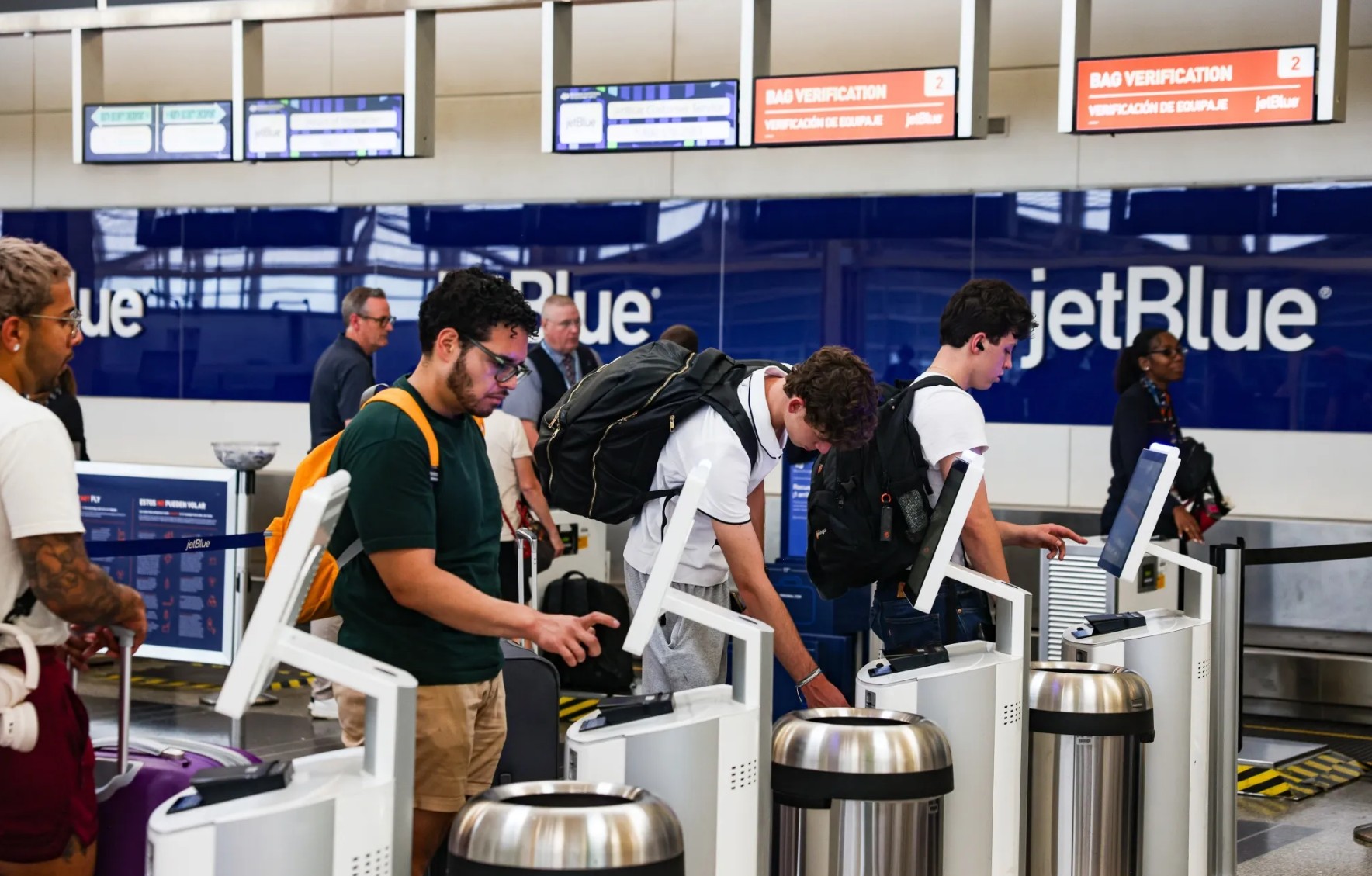
LONDON (Realist English). Global aviation is experiencing its most turbulent year since the pandemic. The military conflict in the Middle East, which began in late February, has doubled aviation fuel prices and forced carriers to sharply raise fares. However, analysts and top airline executives note that even if fuel becomes cheaper, tickets are unlikely to return to early 2026 levels. Moreover, some experts believe this is more of a benefit than a catastrophe for the industry.
Fuel shock as a catalyst
According to IATA estimates, the average aviation fuel price in 2026 will be about $152 per barrel — almost 70% higher than a year earlier. Total industry fuel costs will rise from $252 billion to $350 billion, and fuel’s share of operating costs will increase from 25.4% to 31.4%. As a result, despite higher fares, the combined net profit of global airlines will halve — from $45 billion in 2025 to $23 billion in 2026 — and the margin will fall from 4.2% to 2.0%.
American Airlines CFO Devon May stated bluntly: “If fuel gets cheaper, fares will probably stay roughly where they are. If fuel prices go up, we need to generate higher returns, meaning higher fares, to offset that.” Ryanair chief Michael O’Leary warned that fares could rise another 20% next summer.
Structural reasons: why this is not temporary
However, fuel is only part of the picture. A range of structural factors indicates that high fares will persist for a long time, even if oil becomes cheaper:
Industry consolidation. The US market is already controlled by the “Big Four” — Delta, United, American, and Southwest — which account for about 80% of domestic traffic. Europe is undergoing a similar process: after the pandemic, the industry entered a four-to-five-year consolidation period that, according to O’Leary, will lead to dominance by four major groups — IAG, Lufthansa, Air France-KLM, and Ryanair. Fewer competitors means less pressure on prices.
Aircraft shortage. The order backlog at Airbus and Boeing exceeds 15,000 aircraft, and the average fleet age has reached a record 15.2 years. Airlines are forced to operate less efficient aircraft longer than planned, increasing fuel and maintenance costs.
Abandoning the low-price strategy. As United CEO Scott Kirby noted, “core costs — airport fees, handling, engines — have risen so much that airlines must fundamentally change their economics.” Carriers are no longer willing to fly at a loss: “The golden rule: don’t fly where you lose money.”
Growth of the premium segment. Wealthy travelers are less price-sensitive. American Airlines reported that premium seat sales rose 23%, and corporate revenue rose 28%. Delta raised fares by about 20% without a noticeable drop in demand.
“Not so bad”: arguments in favor of high fares
Why could rising fares be a blessing? The arguments are as follows.
First, for decades airfares grew slower than inflation. As United Chief Commercial Officer Andrew Nocella admitted, “consumers and companies accept price increases because fares have lagged general inflation and the growth of other travel expenses for years.” The current rise is largely a correction, not an anomaly.
Second, sustainable fares allow airlines to invest in fleet renewal, service improvements, and infrastructure modernization. The low prices of the hyper-competitive era undermined carriers’ financial stability, as vividly demonstrated by the bankruptcy of Spirit Airlines and other low-cost carriers.
Third, as IATA notes, demand remains resilient despite higher prices: 49% of travelers plan to spend more on trips than last year. This means the market is willing to pay for quality connectivity.
High airfares are not a temporary side effect of the war but the result of a structural restructuring of the industry. The fuel shock accelerated a process that had been brewing for years: consolidation, a shortage of capacity, and a refusal to engage in price dumping. For consumers, this means cheap tickets, as in the 2010s, are gone.
For the industry, it means it is becoming more sustainable and predictable, and therefore able to invest in safety, technology, and the environment. The only question is how long passengers — especially those for whom air travel remains a luxury — are willing to put up with the new reality.