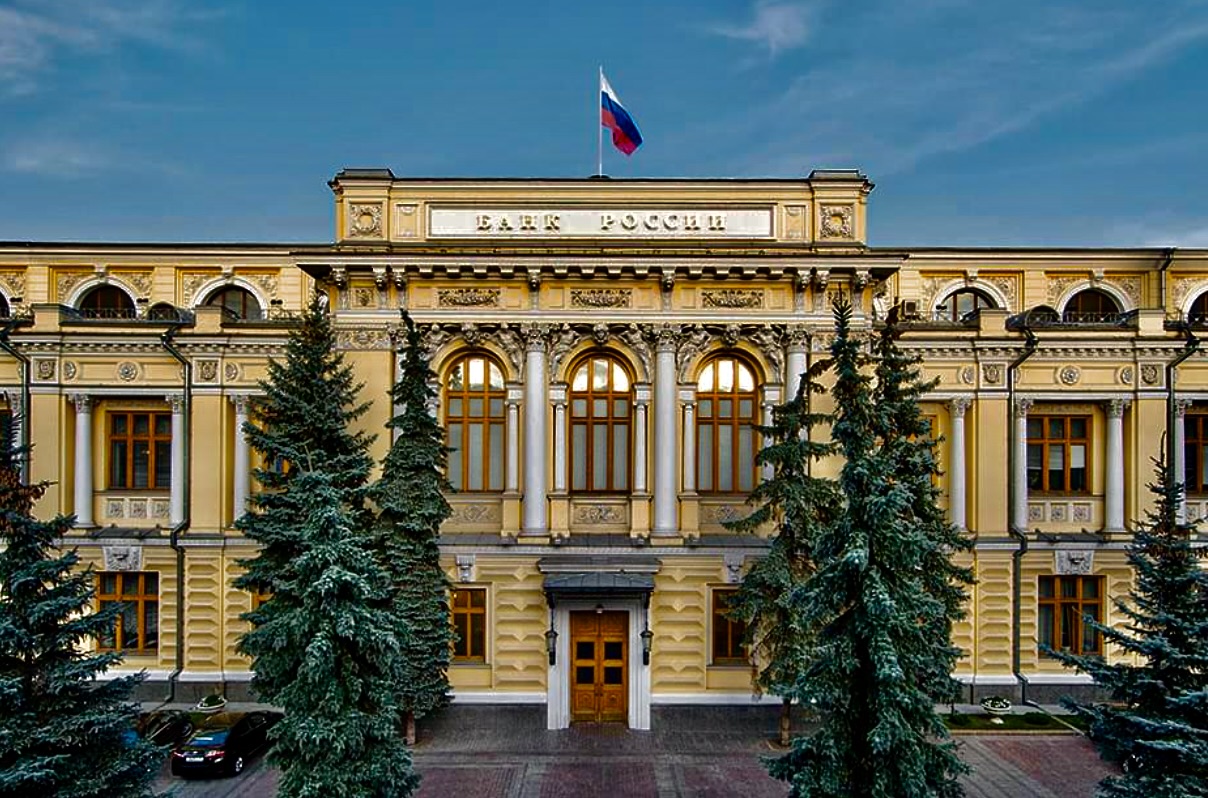
MOSCOW (Realist English). On July 24, the Bank of Russia Board of Directors decided to cut the key rate by 25 basis points — to 14.00% per annum. This is the tenth consecutive cut since the peak of 21% recorded in early 2025.
The decision came as a surprise to most market participants: according to a consensus survey, 18 out of 22 experts had expected the rate to remain at 14.25%. Only a few analysts, including those from Gazprombank, had forecast a cut to 14%.
Inflation Picture: Acceleration Amid the Fuel Crisis
The Central Bank’s decision came against a backdrop of contradictory inflation dynamics. According to Rosstat, annual inflation in Russia accelerated to 6.02% in June, up from 5.31% in May. Monthly price growth amounted to 0.87% (0.17% in May).
The key driver of the June acceleration was the fuel crisis. The sharp rise in petrol and diesel prices was the main driver of the inflationary spike. At the same time, as of July 20, annual inflation, according to the Central Bank’s calculations based on weekly data, slowed slightly to 5.84%.
At the same time, household inflation expectations in July jumped to 14.7% (from 12.4% in June) — the third highest level in the last ten years, after December 2021 (14.8%) and March 2022 (16.3%). Business price expectations also rose after five months of decline.
Why the Central Bank Opted for a Cut
Despite the acceleration in inflation and rising expectations, the Bank of Russia decided to continue its easing cycle. The key arguments in favour of the cut:
- The temporary nature of the fuel shock. The regulator appears to view the rise in petrol prices as a one‑off factor rather than a sustained trend.
- A slowdown in underlying inflation. Core inflation components are showing moderate dynamics.
- Signs of economic cooling that open up room for monetary policy easing.
In June, the Central Bank had already cut the rate by 25 bps — to 14.25% — contrary to market expectations of a 50 bps cut. At the time, the regulator’s signal was seen as “moderately dovish”: the Central Bank said it would assess the feasibility of further cuts “depending on the sustainability of the slowdown in inflation.”
What Next: Forecasts and Risks
The Bank of Russia’s baseline forecast, announced back in April, projects an average key rate of 14.0–14.5% in 2026 and 8.0–10.0% in 2027.
However, the future path remains uncertain. Analysts warn that the Central Bank will likely want to confirm the one‑off nature of June’s inflation acceleration and ensure that inflation expectations remain moderate before continuing to ease.
Key risks to further easing include:
- Persistent tensions in the fuel market — if petrol prices do not stabilise, the Central Bank may pause.
- Geopolitical risks linked to the situation in the Middle East and the conflict with Ukraine.
- Accelerating lending — in June, the volume of loans to individuals rose by 17.2% month‑on‑month, while mortgage lending increased by almost half.
According to some experts, keeping the rate at 14.25% could have given the Central Bank room for a more significant cut in September — to 13%. Now, with the July cut to 14%, the trajectory will be more gradual.