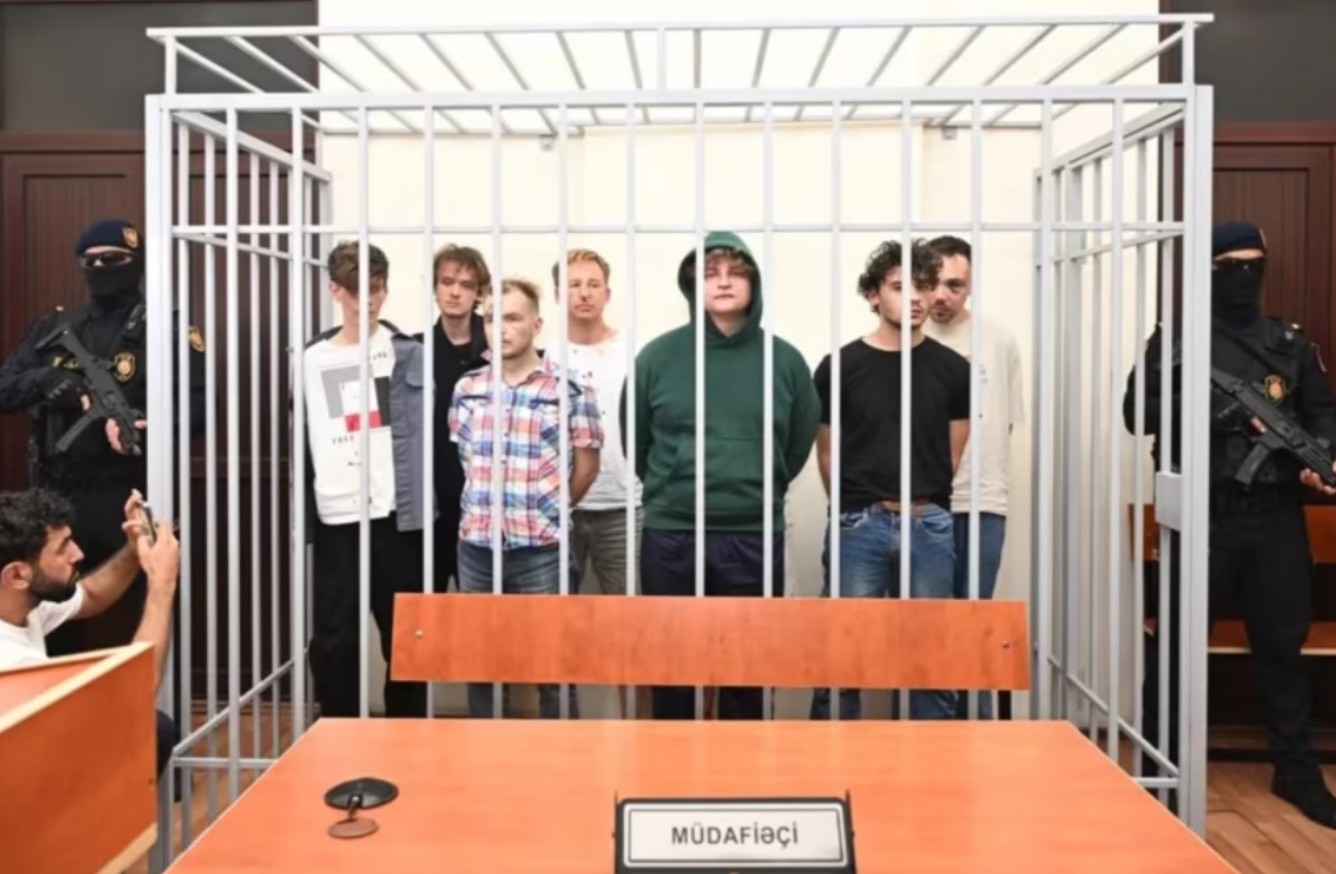
WASHINGTON (Realist English). The US House Foreign Affairs Committee has adopted a resolution demanding that Azerbaijan immediately and unconditionally release all Armenian prisoners of war and political detainees illegally held in Baku.
The amendment to H.R. 9087 was approved by 44 committee members, with only 7 voting against.
The initiative, backed by the Armenian National Committee of America (ANCA), was introduced by Congressman Brad Sherman (Democrat from California), Vice Chair of the Congressional Armenian Caucus.
Among the resolution’s supporters are committee chairman Brian Mast (Republican from Florida) and more than 40 other lawmakers from both parties.
“Azerbaijan Tortured and Executed Armenian Prisoners”
Sherman, who has advocated for the rights of the Armenian people for decades, stated that Baku systematically violates international law regarding detained Armenians:
“For years, Azerbaijan has tortured, denied fair trials, and in some cases even executed Armenian prisoners of war. The continued detention of Armenian prisoners of war and political prisoners is unacceptable and contradicts the fundamental principles of human rights and international law.”
Sherman also linked the release of prisoners to the Trump administration’s peace efforts in the South Caucasus:
“As President Trump continues his efforts to secure long‑term peace in the South Caucasus, the release of Armenian prisoners of war and political prisoners would be a significant step toward achieving that goal.”
Sham Trials and Life Sentences
According to ANCA, Azerbaijan continues to illegally detain at least 23 Armenian prisoners of war and civilian hostages. In 2025–2026, a fabricated judicial process was held in Baku against representatives of the military‑political leadership of Nagorno‑Karabakh.
Among those sentenced to life imprisonment:
- former President of Nagorno‑Karabakh Arayik Harutyunyan
- former Commander of the Defence Army Levon Mnatsakanyan
- former Deputy Commander David Manukyan
- former Parliament Speaker David Ishkhanyan
- former Foreign Minister David Babayan
Former presidents Arkady Ghukasyan and Bako Sahakyan, as well as former State Minister Ruben Vardanyan, were sentenced to 20 years in prison. In total, 15 people have been given long prison terms.
ANCA Executive Director: “This Is Not a Bargaining Chip”
ANCA Executive Director Aram Hamparian called the release of hostages a “non‑negotiable precondition for peace”:
“Azerbaijan’s release of Armenian hostages, the safe return of refugees from Artsakh, and the withdrawal of Azerbaijani occupying forces from Armenian territory are non‑negotiable preconditions for peace — not bargaining chips in Baku’s hands to extract further unilateral concessions from Armenia.»
ANCA is also seeking an end to US military aid to Azerbaijan, the application of Magnitsky sanctions against Azerbaijani officials, and guarantees of the right of return for Armenian refugees from Artsakh.
Opponents of the Resolution
Seven Republicans voted against the amendment:
- Andy Biggs (Arizona)
- Tim Burchett (Tennessee)
- Randy Feenstra (Iowa)
- Anna Paulina Luna (Florida)
- Scott Perry (Pennsylvania)
- Keith Self (Texas)
- Joe Wilson (South Carolina).
Two committee members were absent during the vote.
What Next?
The amendment adopted by the committee officially records the position of the US Congress: Azerbaijan must immediately and unconditionally release all Armenian hostages. However, the full H.R. 9087 bill in its current form has not yet been approved.
As Sherman stated, he intends to continue fighting for the release of Armenians “whom Azerbaijan unjustly and illegally detains and subjects to torture and cruel treatment.”
Historical Context: War Crimes and Ethnic Cleansing
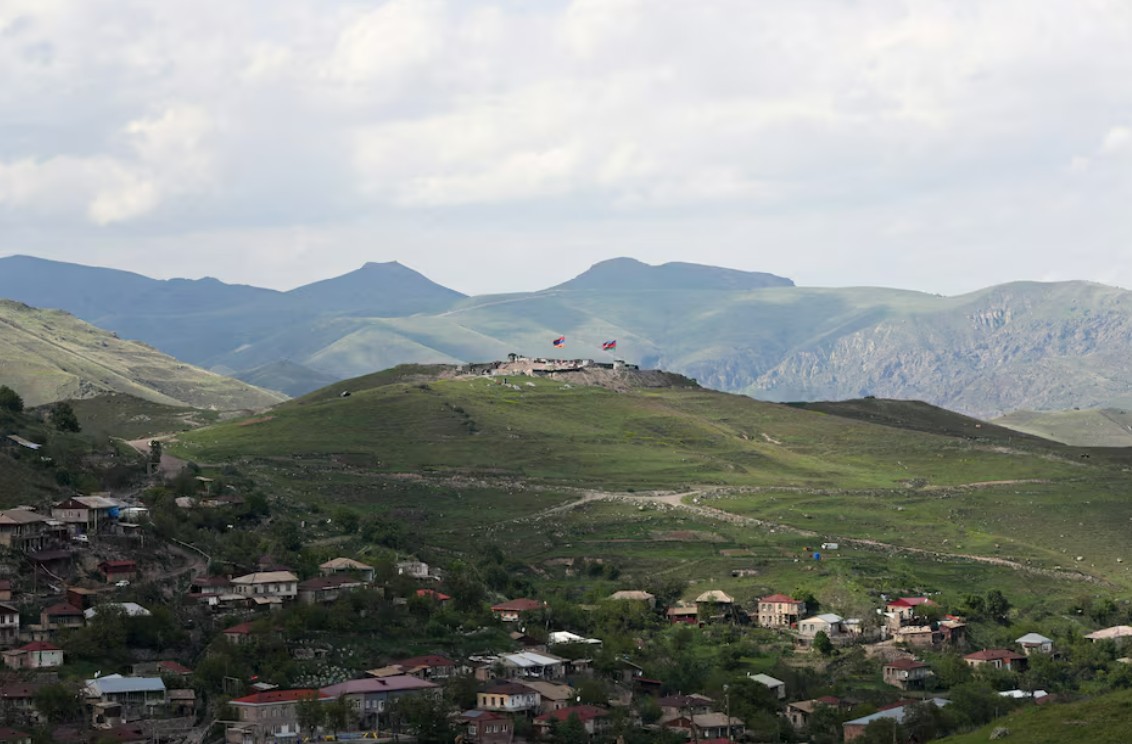
The events surrounding occupied Artsakh (Nagorno‑Karabakh), particularly after the large‑scale escalation in September 2023, have been accompanied by numerous documented cases of war crimes and violations of international humanitarian law, for which, according to international organisations and human rights groups, Azerbaijan bears significant responsibility.
These actions have led to mass civilian casualties, ethnic cleansing, and the destruction of cultural heritage.
War Crimes and Attacks on Civilians
During the hostilities, especially in September 2023, numerous cases of deliberate attacks on civilian infrastructure and civilians were recorded:
- Attacks on hospitals and civilian facilities: Azerbaijani forces were documented attacking a hospital in Artsakh where civilians were being treated. According to the UN, the military operation on September 19–20, 2023, alone resulted in over 200 deaths and the forced displacement of 100,000 Armenians.
- Use of banned weapons: Cluster munitions and, according to some reports, white phosphorus were used against civilians. The use of chemical weapons such as white phosphorus constitutes a violation of international law.
Violations of Prisoner Rights and Arbitrary Detentions
Since the beginning of the conflict, systematic violations of the rights of Armenian prisoners of war and hostages have been recorded:
- Torture, executions, and cruel treatment: Numerous cases of torture, extrajudicial executions, and other forms of cruel treatment of Armenian prisoners of war have been documented. In 2026, reports emerged of the torture and execution of 19 Armenian prisoners of war. Amnesty International analysed 22 videos depicting extrajudicial executions, mistreatment of prisoners, and desecration of bodies.
- Forced disappearances: The practice of forced disappearances was widely used against Armenians. Dozens of Armenian servicemen were filmed in Azerbaijani captivity, after which their whereabouts became unknown.
- Illegal detention and “show” trials: Azerbaijan illegally detains Armenian prisoners of war and political prisoners. Fabricated judicial proceedings were organised in Baku against the former military‑political leadership of Artsakh. In February 2026, five Artsakh leaders were sentenced to life imprisonment, and three others to 20 years in prison on fabricated charges.
Ethnic Cleansing and Cultural Genocide
Azerbaijan’s actions have led to the complete exodus of the Armenian population from the region and the destruction of its cultural heritage:
- Ethnic cleansing: As a result of the September 2023 military operation, more than 115,000 ethnic Armenians (the entire indigenous population) were forced to leave Artsakh within a few days. Freedom House and other organisations have qualified these actions as ethnic cleansing. The International Association of Genocide Scholars has accused Azerbaijan of committing genocide against the people of Artsakh.
- Destruction of cultural heritage: Azerbaijan is systematically destroying Armenian historical and cultural heritage in Artsakh. A US State Department report documented the destruction of churches, cemeteries, and other monuments. The destruction of Armenian khachkars (cross‑stones) and the erasure of Armenian traces are seen as an attempt at cultural genocide.
Inaction of the International Community
Despite the overwhelming evidence, the international community has not made significant progress in bringing perpetrators to justice:
- Lack of investigations: According to Amnesty International, Armenia and Azerbaijan have not made progress in investigating alleged violations. All claims of crimes remain uninvestigated.
- Violation of UN rulings: Azerbaijan has not complied with the International Court of Justice’s rulings to lift the blockade of the Lachin Corridor and ensure the safe return of residents.
- No real sanctions: Despite calls for international criminal prosecution, those responsible for war crimes and crimes against humanity remain unpunished.