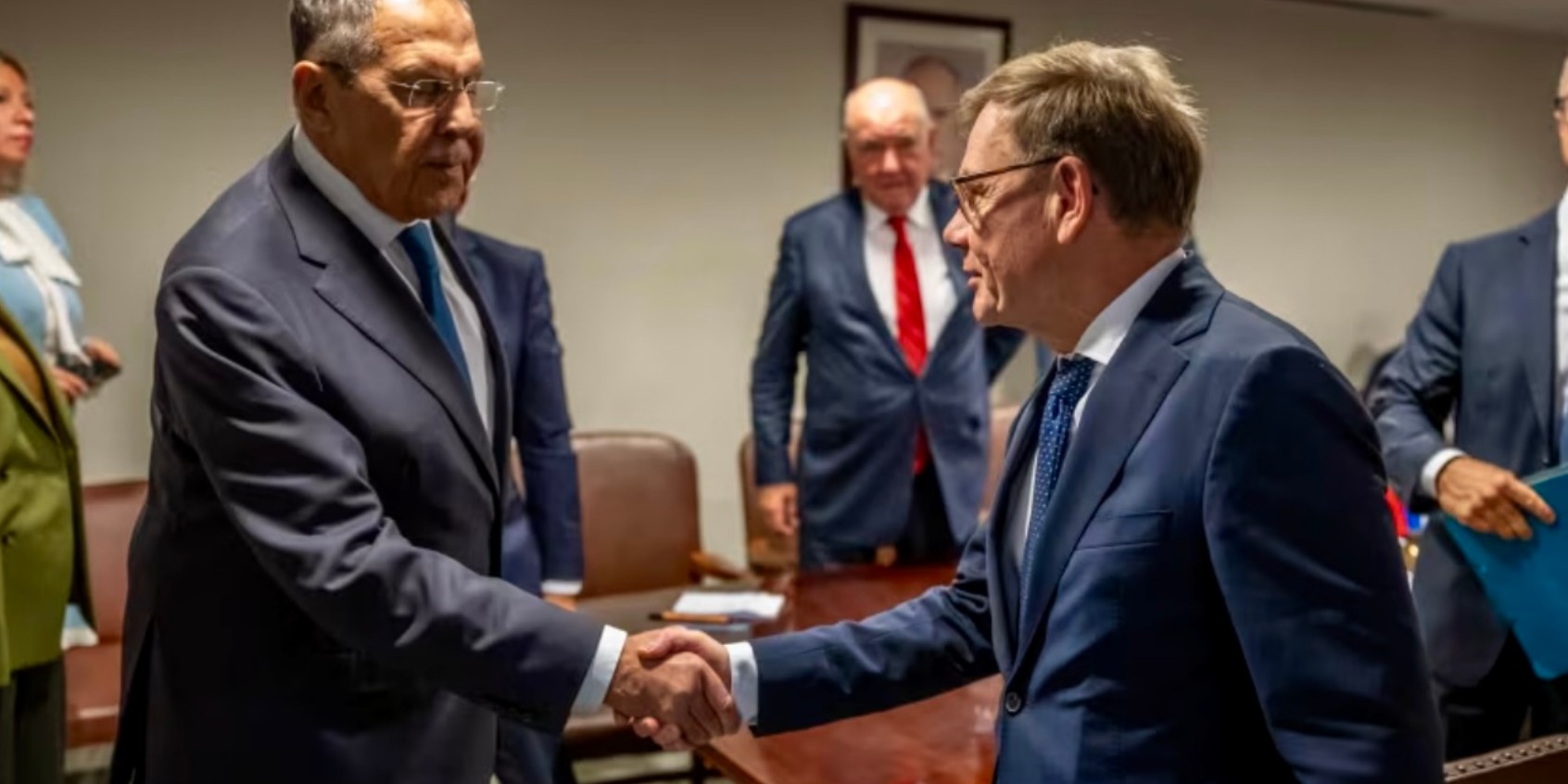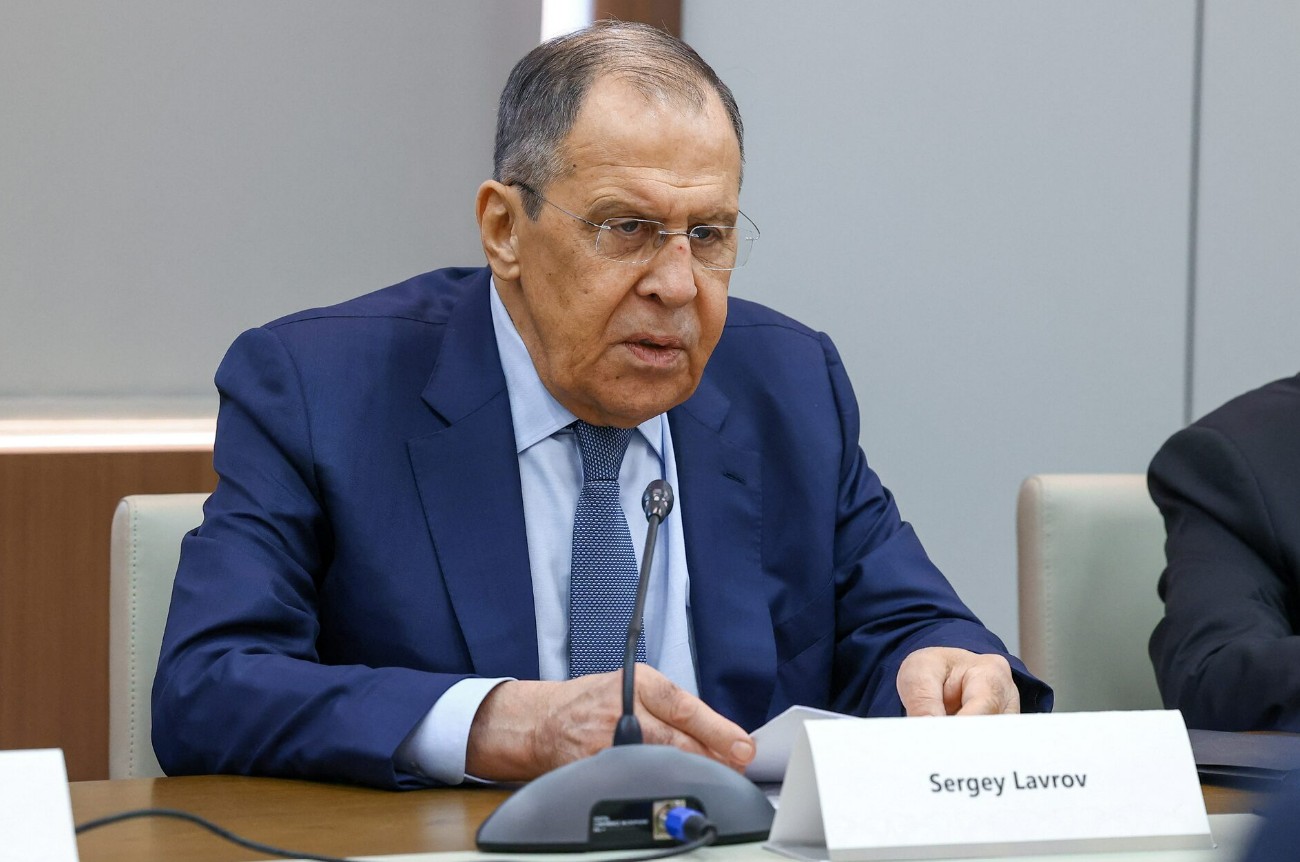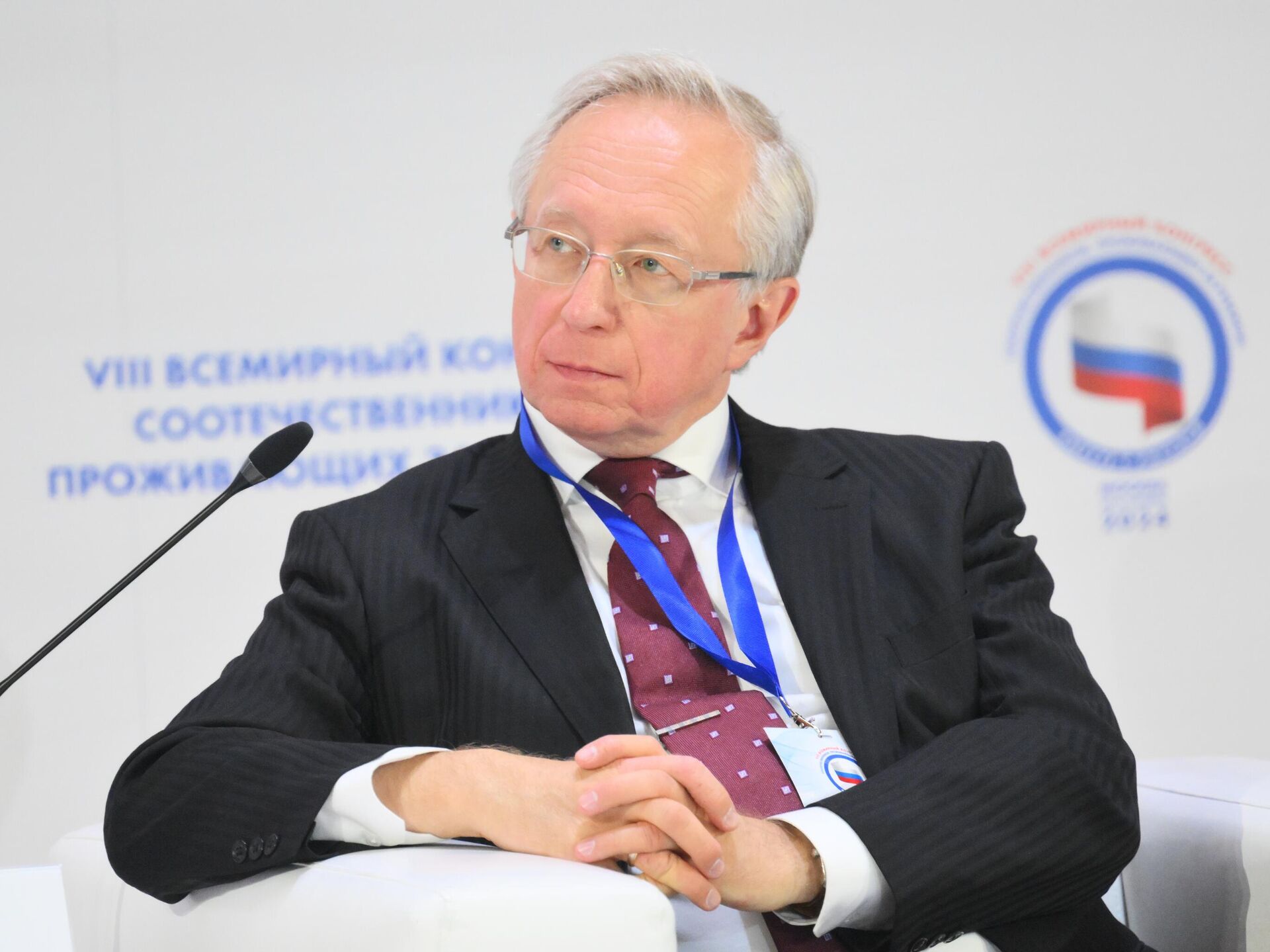
MOSCOW (Realist English). Russian Deputy Foreign Minister Mikhail Galuzin spoke at a round table, “The CIS at 35: Results, Tasks, Prospects,” organised by the Federation Council.
The senior diplomat summed up the Commonwealth’s performance, outlined future priorities and reaffirmed Moscow’s unwavering commitment to deepening integration across the post-Soviet space.
The CIS adapts to new realities
Galuzin called cooperation within the CIS one of Russia’s key foreign policy priorities for decades. He said the 35‑year mark is an occasion to take stock of what has been achieved and to look for new forms of partnership.
“The Commonwealth must adapt to the radical changes in the international situation and develop new forms of partnership that take into account the realities of today,” the deputy minister said.
Among the main tasks, he stressed strengthening the CIS as an integration body, expanding ties with interested organisations and countries, and improving the work of the Commonwealth’s institutions. Galuzin recalled that the creation of the CIS was, at the time of the USSR’s collapse, “virtually the only way to ensure a smooth transition to equal cooperation among independent states”.
Economy, security and a Greater Eurasia
The deputy minister noted the similarity of foreign policy views among most CIS members, who advocate a multipolar world order. An example of their consolidated position was the statement on the situation in the Persian Gulf adopted at the April CIS Foreign Ministers’ Council in Moscow, which enshrines the principle of the indivisibility of regional security.
Special attention is being paid to building an architecture of equal and indivisible security in Eurasia – an initiative of Russian President Vladimir Putin. Galuzin said the CIS, together with the CSTO and the SCO, is a significant participant in that process. The 2023 statement by the heads of state of the Commonwealth on international relations in a multipolar world serves as a guide.
Turning to the economy, the deputy minister stressed that most CIS countries are important trading partners for each other, but a “substantial unrealised potential” remains. He called for a more active shift from general concepts to concrete projects, giving priority to areas that can produce rapid economic results.
Successes so far include a fully functioning free‑trade regime for goods and the agreement on free trade in services, establishment, operations and investment that entered into force in 2024. Galuzin also noted that more than 95% of settlements between Russia and other CIS states are carried out in national currencies.
Economic growth of CIS countries in 2025–2026
| Country | GDP growth in 2025 (%) | GDP growth forecast for 2026 (%) | Notes |
| Kyrgyzstan | 11.1 | 9.3 | Growth leader for the third year in a row |
| Tajikistan | 8.3 | 8.1 | High growth rates continue |
| Uzbekistan | 7.4–7.7 | 6.8 | Growth driven by investment and trade |
| Kazakhstan | 5.6–6.5 | 5.5 | Highest growth in 13 years (2025) |
| Armenia | 6.5–7.0 | 5.5–6.0 | EDB and EBRD estimates |
| Russia | 1.0 | 1.5–2.0 | Slowdown, but returning to growth |
| Belarus | –1.2 | 1.0–1.5 | Recovery from decline |
| Moldova | 2.4 | 3.0–4.0 | Estimate |
Law enforcement and the fight against terrorism
As tensions rise worldwide, the need for close cooperation among CIS countries in the law‑enforcement sphere is acute. Interstate programmes are being implemented to combat crime, terrorism and extremism, and to strengthen border security.
The CIS Anti‑Terrorism Centre and the Bureau for Coordinating the Fight against Organised Crime and Other Dangerous Crimes on the territory of the CIS member states are working effectively.
Humanitarian cooperation and the Russian language
The deputy minister noted the dynamic formation of a common cultural, educational and scientific space. In 2026, Russia increased its voluntary contribution to the CIS Interstate Humanitarian Cooperation Fund by 100 million rubles, bringing it to 350 million rubles.
Galuzin paid special attention to the Russian language as a unifying factor. He recalled that six Commonwealth countries – Belarus, Kazakhstan, Kyrgyzstan, Russia, Tajikistan and Uzbekistan – have become founders of the International Organisation for the Russian Language (IORL), which began its practical work on April 1. The organisation is open to all who wish to join.
Preserving historical memory
In the 80th anniversary year of the Victory, the CIS countries, according to Galuzin, have once again demonstrated unity in their assessment of the historical legacy. With the support of the Russian Security Council apparatus, documentary collections entitled “Republics – to the Front, 1941‑1945” have been published.
At Russia’s initiative, 19 cities in CIS countries were awarded the honorary title “City of Labour Glory. 1941‑1945” in 2025.
Prospects for the CIS
In conclusion, the deputy minister stressed that as the world moves towards a multipolar system, the importance of the Commonwealth in defending the common interests of its members will only grow.
“A comprehensive analysis of the CIS’s activities is needed, as is a rethinking of its role in shaping a broad integration framework in Eurasia and building a system of equal and indivisible security on the continent,” Galuzin said, assuring his colleagues of the Foreign Ministry’s continued support for the parliamentary dimension of this work.
Statistics and potential
In January 2026, the value of total CIS foreign trade fell by 3.3% compared to January of the previous year. However, performance varied widely from country to country: Armenia’s trade turnover contracted by 12%, while Tajikistan’s grew by 31.4%. Russia showed steady growth, with its trade turnover with CIS states increasing by 6.5% in January‑February 2026 compared to the same period in 2025.
The CIS countries are home to one of the world’s richest mineral and raw material bases, making them critical players on global markets. The Commonwealth’s resource potential is unique in its diversity and scale:
- Energy resources: The countries account for 42% of world coal reserves, 44% of gas reserves and 28% of uranium reserves. This makes them key suppliers of primary energy worldwide.
- Metals: The CIS controls more than 60% of the world’s tungsten and antimony reserves, more than 40% of lead, zinc, molybdenum and tin, and over a third of the world’s iron ore reserves. It also has major deposits of gold, copper, nickel and other non‑ferrous metals.
- Share of global production: The Commonwealth countries produce more than 50% of the world’s volume of such critical materials as uranium, antimony, tungsten and rare‑earth metals. This confirms their role not only as holders of reserves but also as actual producers.
Russia is a key link in this system, holding a complete monopoly on forest resources within the CIS and possessing a significant share of the region’s energy and water resources.