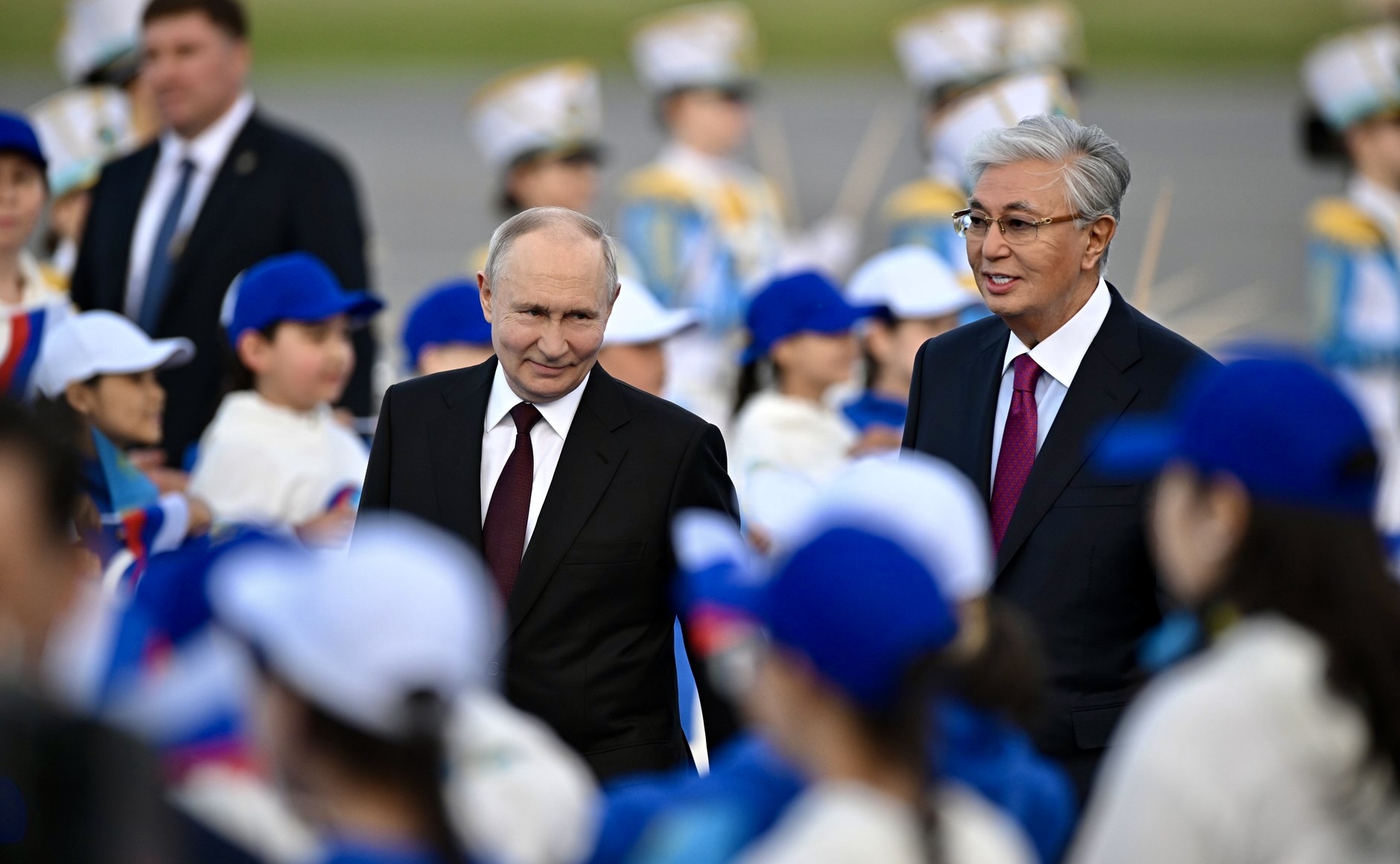
ASTANA (Realist English). Russian President Vladimir Putin arrived in Kazakhstan on May 27 for a three‑day state visit. The trip, which is the second state visit of his term, is intended to underscore the “unprecedentedly high level of relations” between the two countries.
The visit programme, which includes bilateral talks and participation in events of the Eurasian Economic Union (EAEU), has already been marked by the signing of major agreements that will set the course for cooperation for years to come.
Broad Agenda and Personal Diplomacy
The programme began with informal contacts: on the evening of May 27, Putin and Kazakh President Kassym‑Jomart Tokayev held a friendly tête‑à‑tête dinner.
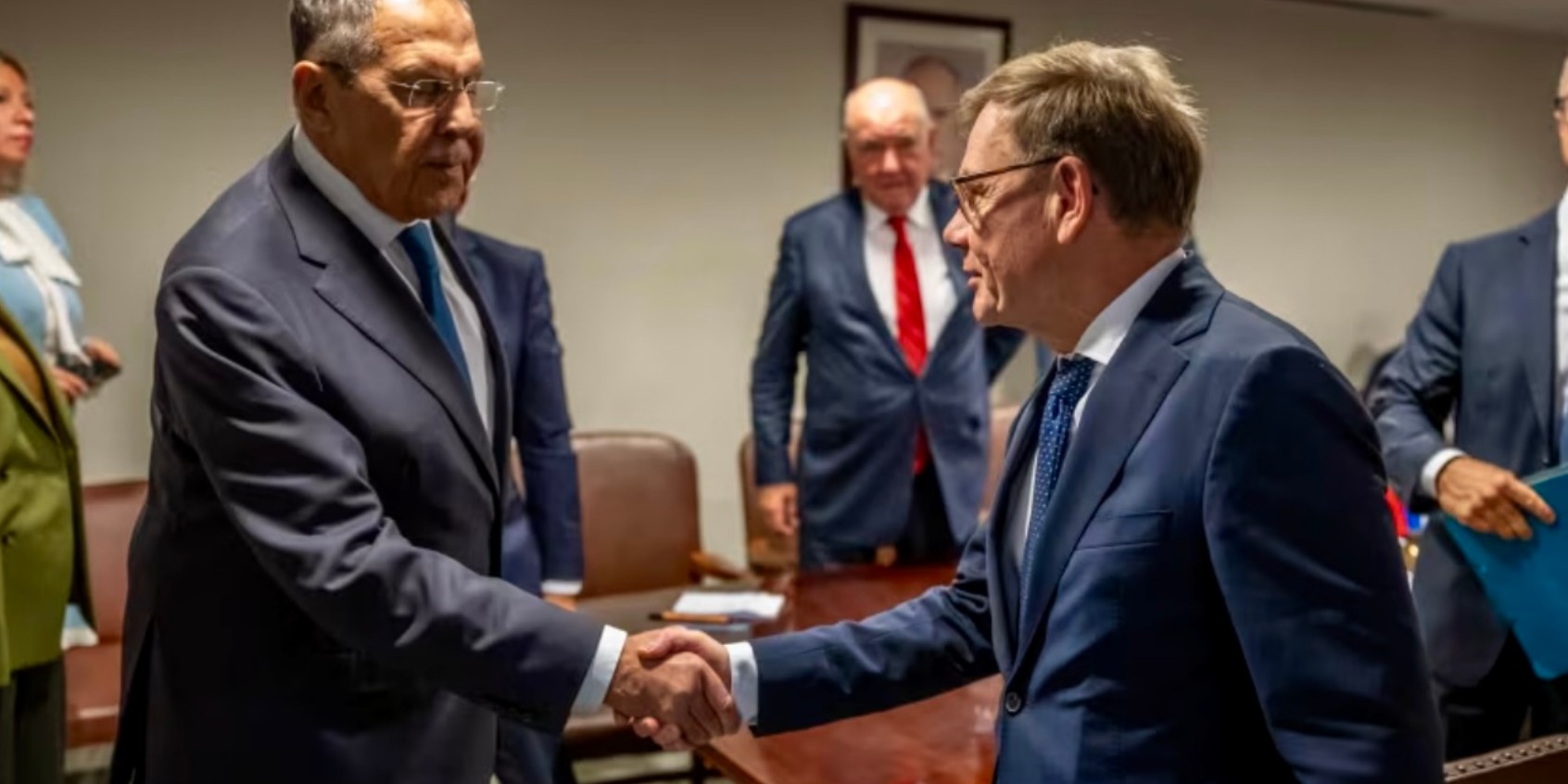
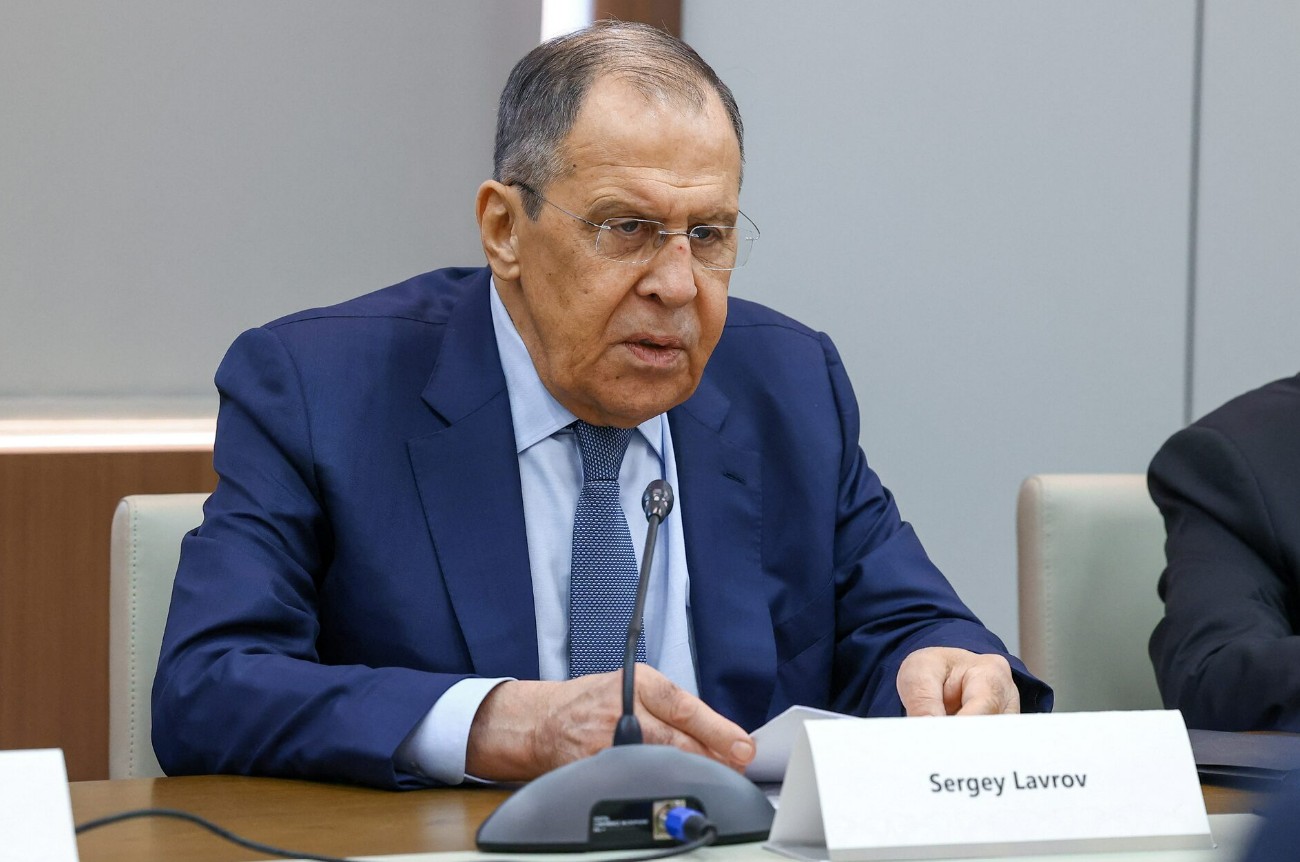
On May 28, an official welcoming ceremony took place at the Palace of Independence, after which the leaders began their talks. The sides discussed key aspects of bilateral relations – from politics and economics to military‑technical and cultural‑humanitarian cooperation.
Russian Presidential Aide Yuri Ushakov noted that the atmosphere of the meeting was “trusting” and “focused on concrete results.”
Record Package of Documents
The talks culminated in the signing of a substantial package of 16 documents covering a wide range of areas – from energy and finance to healthcare and tourism. Two landmark agreements stand out:
- Construction of Kazakhstan’s first nuclear power plant: A key contract was signed for the construction of a nuclear power plant with the participation of the state corporation Rosatom. The project envisages Russia providing a state export credit to finance the construction, making it one of the largest in bilateral relations.
- “Seven Pillars of Friendship”: The presidents approved a joint declaration on the seven pillars of friendship and good‑neighbourliness, which is intended to serve as a solid foundation for future partnership.
A ceremony was also held to lay a capsule at the site of a future Sirius educational centre in Astana, and an oak was planted on the Alley of Eternal Friendship, symbolising strong historical ties.
Energy, Transport and Economy: Focus on the Future
On the eve of the visit, President Putin published an article “Russia – Kazakhstan: A Union in the Heart of Eurasia”, in which he stated Russia’s readiness to “comprehensively develop multifaceted allied relations” with Kazakhstan. Priority areas were identified as energy, the nuclear sphere and cosmonautics.
A key element of the economic agenda was the development of the North‑South transport corridor.
Russian Transport Minister Andrei Nikitin announced plans to synchronise efforts to increase traffic volumes on the eastern route and to explore the creation of a joint logistics operator.
Participation in the Eurasian Economic Forum
On the same day, Putin took part in the 5th Eurasian Economic Forum, the central theme of which was “The EAEU in the Global Digital Race: Betting on Artificial Intelligence.”
In his speech, the Russian leader assessed the current level of AI development in the world and within the union, and spoke about Russia’s efforts to implement artificial intelligence technologies.
The forum, which brought together nearly three thousand delegates from 44 countries, was also attended by representatives of Iran and Cuba, indicating growing international interest in the integration bloc.
EAEU Summit: A Look to Tomorrow
Putin’s state visit will conclude on May 29 with his participation in a meeting of the Supreme Eurasian Economic Council.
The leaders of the “Big Five” are expected to discuss current integration issues, including the future of Armenia in the union and possible risks associated with its course towards European integration.
Experts believe the upcoming summit will determine the future of the EAEU in a changing geopolitical landscape.