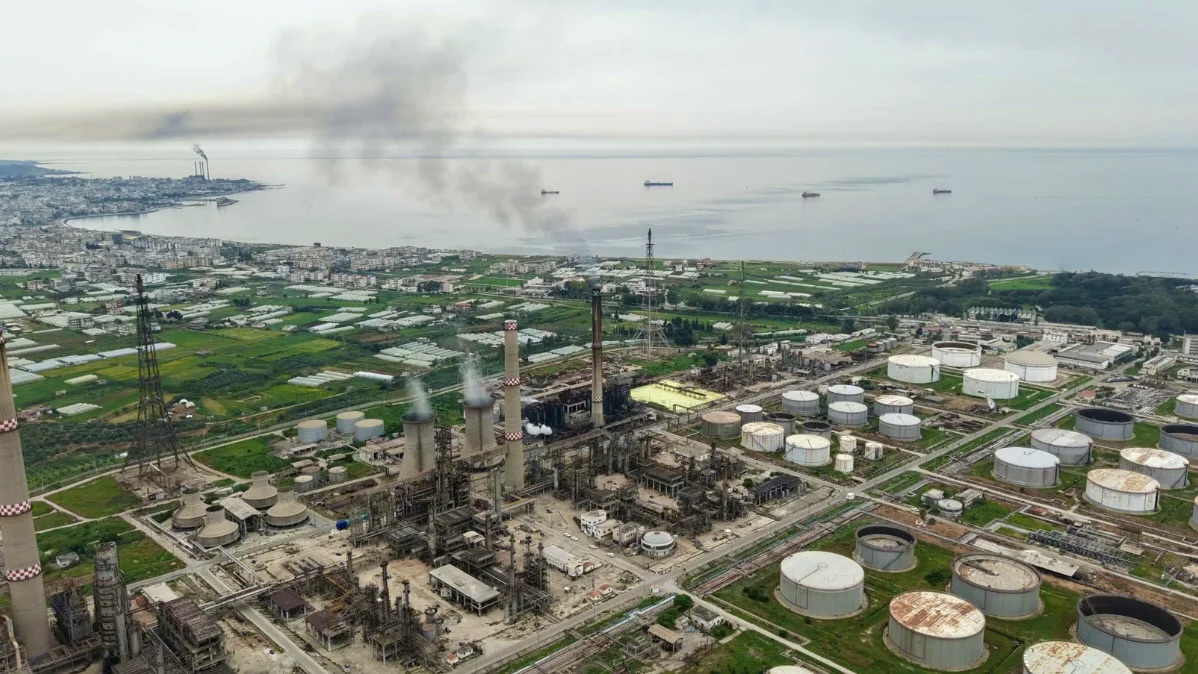
BAGHDAD (Realist English). The United States, Iraq and Syria are preparing to announce plans to revive the historic Kirkuk-Baniyas pipeline, which connects oil fields in northern Iraq to Syria’s Mediterranean coast.
According to Middle East Eye, citing senior Iraqi and regional officials, the agreement will be unveiled next week during Iraqi Prime Minister Ali al-Zaydi’s visit to the White House, where he will meet with President Donald Trump.
The project, overseen by US Ambassador to Turkey and Special Envoy for Syria and Iraq Tom Barrack, is designed to create an alternative route for Iraqi oil exports bypassing the Strait of Hormuz — a strategic waterway through which about 20% of the world’s oil passes, but which, following the escalation of the US-Iran conflict, has come under effective Iranian control.
The Pipeline That Survived Wars: History and Condition
The Kirkuk-Baniyas pipeline, built in 1952 by the Iraq Petroleum Company, is approximately 800 km (500 miles) long and had an original capacity of about 300,000 barrels per day. It was shut down in the 1980s when Syria sided with Iran during the Iran-Iraq war.
The pipeline sustained severe damage during the US invasion of Iraq in 2003 and has been effectively out of operation ever since.
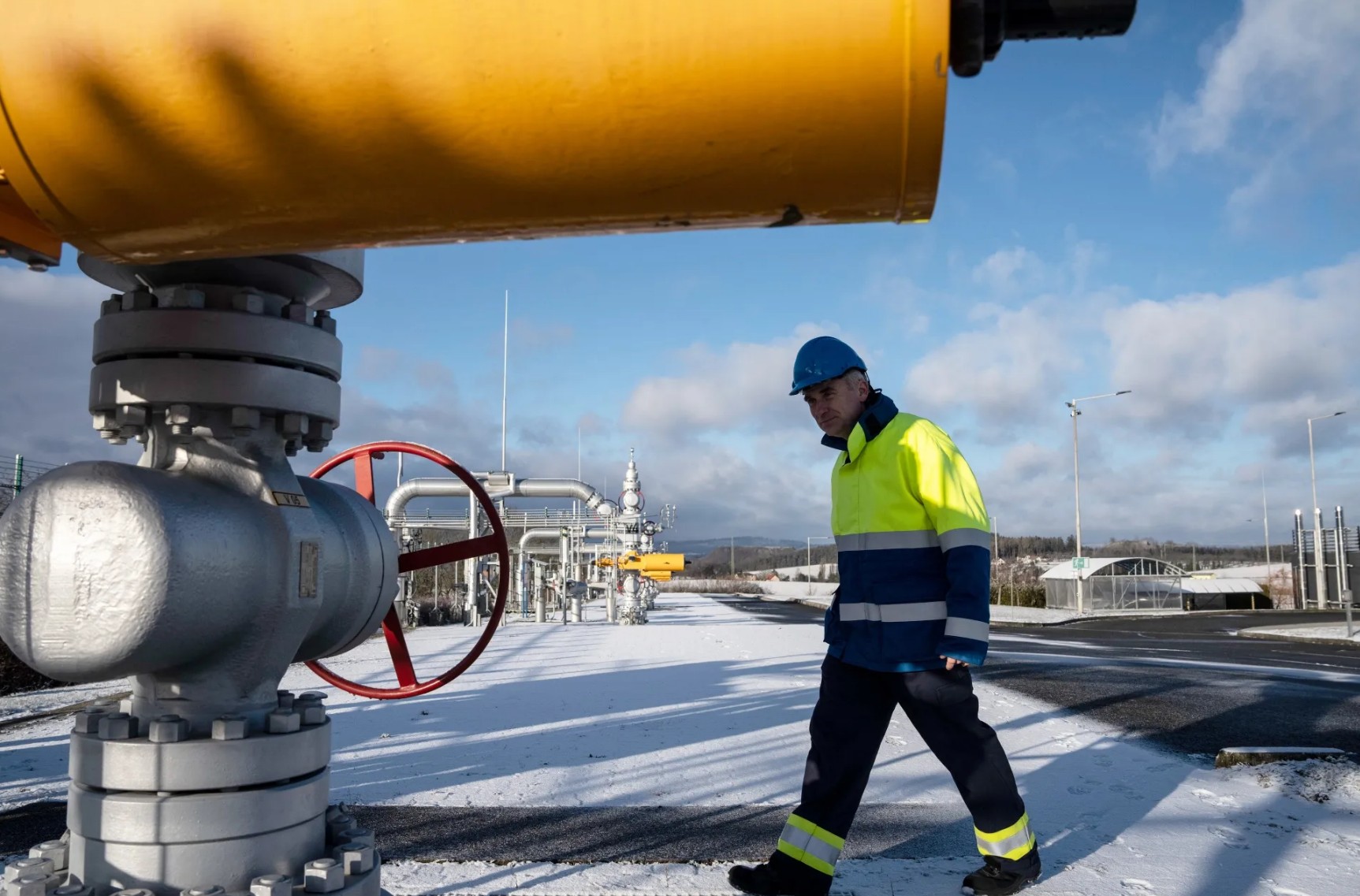
Currently, the line requires a complete overhaul: new storage tanks, pumps and electrical systems are needed. According to one regional official, restoration will take two to three years. A consortium of US firms has already been brought in for the work, which sources say reflects Washington’s serious intentions.
A New Geopolitical Reality: Why the Project Is Relevant Today
Attempts to revive the pipeline have been made before: in late 2024, after the fall of Bashar al-Assad, Iraq and Syria discussed the project, but talks did not progress. However, the situation changed after Iran, in response to the US-Israeli war, effectively established control over the Strait of Hormuz.
Iraq, whose oil exports are heavily dependent on Hormuz, found itself in a vulnerable position. During the war, Baghdad began exporting crude oil through Syria via tanker trucks, but volumes were negligible.
As Iraqi analyst Sarhang Hamasid noted: “Iraq began to see Syria in a new light. Before the war, there was scepticism. The reality of the war showed that Iraq needs Syria.”
The US Role and Trump’s Position
The Trump administration is actively lobbying for the project. Earlier this week, Trump met with Syrian President Ahmad al-Sharaa on the sidelines of the NATO summit in Turkey and announced that the US would remove Syria from the list of state sponsors of terrorism. Trump called the Syrian leader “fantastic” and said that “American companies are ready to invest in Syria and help make your country greater and more prosperous than ever before.”
As The Telegraph notes, the deal with Syria “gives Trump a potential route bypassing Hormuz” and “would allow countries to bypass maritime trade through the Strait of Hormuz, reducing the leverage Iran has by attacking commercial shipping.”
Prospects: Challenges and Significance
Despite ambitious plans, the project faces serious challenges. Analyst Mouayad Albonni warns: “It’s not as simple as Trump — or even the Syrian government — likes to portray it.” Restoring a pipeline in a country that has endured 14 years of civil war is a colossal task.
Moreover, the Iraqi government, dominated by Shia parties close to Iran, is cautious about cooperating with al-Sharaa, a former leader of Jabhat al-Nusra.
Nevertheless, if successful, the project could fundamentally change the region’s energy map. Syria, with proven oil reserves of 2.5 billion barrels (by some estimates up to 27 billion including offshore), could become a new energy hub.
As Cryptobriefing writes, “the pipeline that has lain broken under the desert since 2003 is about to become one of the most geopolitically significant infrastructure deals of 2026.” No official confirmation of the agreement has yet come from Washington, Baghdad or Damascus.