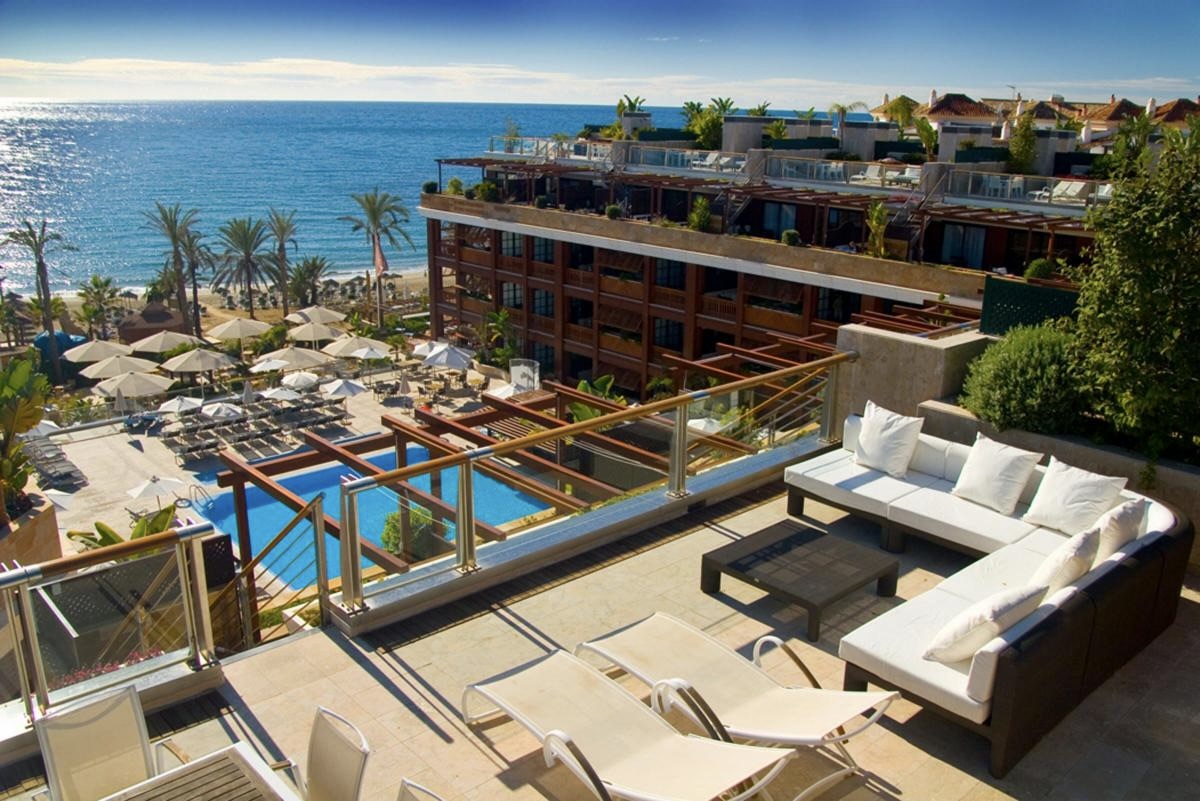
MARBELLA (Realist English). At Puerto Banús, the elite port on Spain’s Costa del Sol, signs point not to historical landmarks but to Bottega Veneta, Bvlgari, Louis Vuitton and Rolex boutiques.
Yachts bob at the waterfront, while Ferraris, Lamborghinis and Bentleys cruise the roads at a leisurely pace.
For decades, Marbella attracted international money: Britons and Scandinavians bought second homes here, while fugitive criminals found refuge from the law, earning the region the unofficial nickname “Costa del Crime.”
Today, however, a new elite is replacing the glamorous tourists and fugitive oligarchs. Marbella is undergoing a rebirth: the city, once a humble fishing village, is becoming a magnet for tech billionaires fleeing the noise of Silicon Valley.
Startup founders, Google executives, cybersecurity specialists and investors are choosing this Andalusian resort for its 320 sunny days a year, its beaches, its growing network of innovation spaces, its world-class schools and its luxury real estate.
The New Elite: From Spotify to Google
Among those who have already settled on the coast are Daniel Ek, founder of Spotify; Kristina Pitach, Google’s Director of Cybersecurity for the EMEA region; and Canadian entrepreneurs Razor and Kari Suleman, who were behind the startup Pacaso.
According to Forbes, 30% of buyers of luxury property in the most prestigious areas of the Costa del Sol are tech entrepreneurs.
At the centre of this movement is The Pool Marbella, a private club and co-working space housed in a €15 million estate in the hills. It has become a magnet for investors, programmers and entrepreneurs from around the world.
According to local estate agents, “more and more international families are choosing to stay here for longer periods — as semi-permanent or permanent residents,” drawn by five‑star hotels, Michelin-starred restaurants, international schools and world-class healthcare facilities.
The Tech Leap: From Marbellup to SilkBridge
Marbella’s transformation is not limited to the spontaneous influx of billionaires — the city authorities are actively building a tech ecosystem. The first step was the Marbellup project, which has already brought together more than 7,000 participants, trained over a thousand people and accelerated more than 150 entrepreneurial projects.
The next stage is SilkBridge, an ambitious initiative positioning Marbella as the “gateway to Europe” for Chinese technology companies and investors. The project, officially presented by Mayor Ángeles Muñoz, aims to diversify the local economy and strengthen the city’s international leadership beyond tourism.
A key element of SilkBridge is a cooperation agreement with the Chinese innovation cluster Grand Union of Innovation, dubbed the “Silicon Valley” of Hefei, a city that hosts China’s leading tech companies. Plans include the creation of an international accelerator programme for selected Chinese tech firms seeking to enter the European market via Marbella. The project is backed by China Construction Bank — the world’s second‑largest bank.
The city has also allocated €4.7 million for technological transformation in 2026, including the modernisation of municipal portals, the creation of a “smart city” platform and a mobile application for elderly residents.
Startup Olé: ‘The Most Significant Tech Event in Southern Spain’
On June 17–18, Marbella hosted the third annual Startup Olé conference, bringing together more than 2,000 participants, 400 world-class speakers, some 50 investment funds and nearly 360 companies.
The event confirmed that the Costa del Sol has the potential to lead in attracting tech investment and skilled talent, placing the city on a par with major European innovation hubs.
Among the guests of honour were the creator of Angry Birds and the CEO of RavenPack, who shared their visions of the future market. In the startup competition, the first place went to Superiority HR, followed by Secra and Collider.
Risks and Challenges: Is the ‘Costa del Crime’ in the Past?
Despite ambitious plans, Marbella’s path to tech‑hub status is not without challenges. The long‑standing reputation of the “Costa del Crime” — a region where international criminals took refuge for decades — still lingers.
Moreover, the rapid rise in property prices (in some areas reaching €32,000 per square metre) risks making the city unaffordable for young professionals and startups without billionaire backing. However, the authorities are betting on attracting not just wealthy buyers, but those who create jobs and build real businesses.
Marbella, for decades associated with ostentatious luxury and a dubious reputation, is now betting on a technological future.
By attracting Spotify founders, Google executives, Chinese corporations and venture capital, the Spanish resort hopes to rewrite its history. Whether it can transform from a “millionaire’s playground” into “Spain’s Silicon Valley” remains to be seen — but the first steps have already been taken.