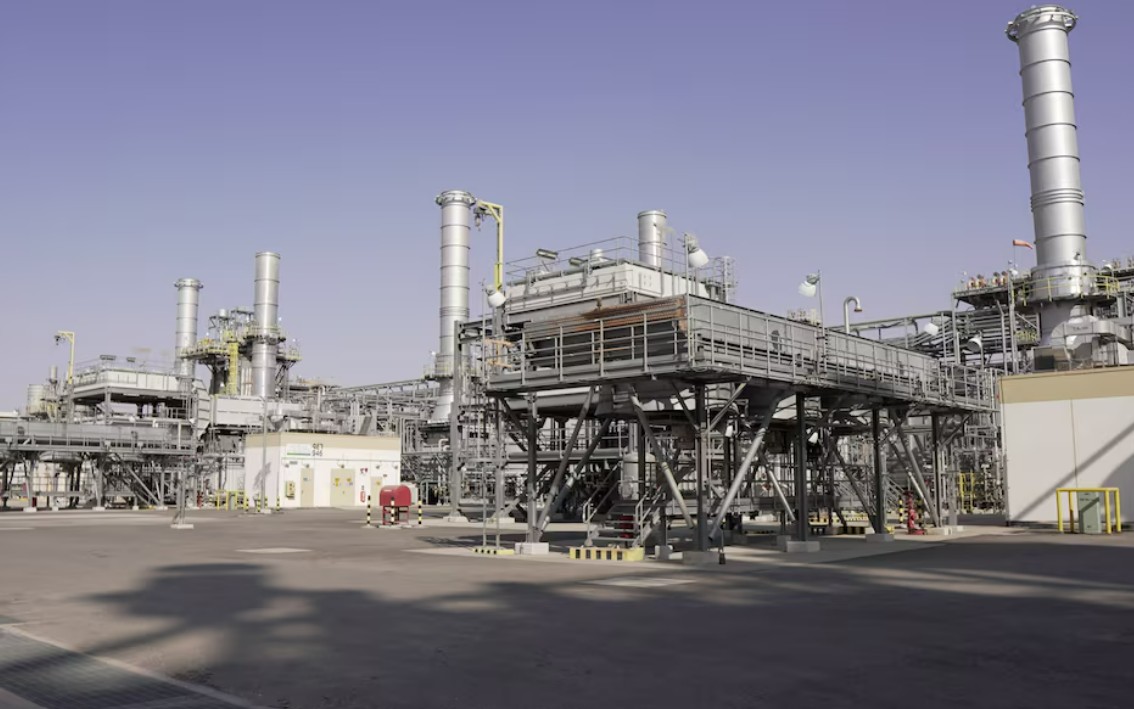
LONDON (Realist English). On September 22, Saudi Arabia began restarting its key East–West oil pipeline after a forced shutdown caused by drone attacks.
According to Reuters, citing three informed sources, the pipeline has already resumed operation at low capacity, and shipments from the Yanbu port on the Red Sea may resume in the afternoon of September 22.
Recovery After the Attack
The East–West pipeline, about 1,200 kilometers long, was shut down on September 13 after drone strikes on infrastructure in the Riyadh and Medina areas. Saudi Aramco announced a “precautionary” closure, which led to the suspension of shipments from Yanbu — a key export terminal on the Red Sea.
Recovery is proceeding in stages. At the first stage, the pipeline is operating at reduced capacity, but Saudi Aramco aims to restore throughput to 4 million barrels per day. It was previously reported that a full restoration of capacity could take up to six weeks.
The Role of the Pipeline
The East–West pipeline remains the main alternative to the Strait of Hormuz for Saudi exports. Its maximum throughput capacity is 7 million barrels per day, of which about 2 million go to western refineries and roughly 5 million barrels are intended for export.
Since February 2026, after the outbreak of the US–Israel war with Iran and the de facto blockade of Hormuz, about 4 million barrels per day — roughly 4% of global oil supply — were redirected through this pipeline.
Market Reaction
The resumption of the pipeline’s operation put downward pressure on prices. Brent futures fell by more than $2 per barrel, reaching their lowest level since September 8. Brent dropped below the $100 per barrel mark for the first time in several weeks, stabilizing around that level.
One of the first cargoes of oil from Yanbu after the restart is expected to be sent to China. Traders are also preparing for the resumption of Saudi shipments, moving tankers to the Egyptian ports of Port Said and Sidi Kerir for ship-to-ship transfers.
A Double Blockade
The pipeline shutdown occurred amid a simultaneous tightening of Houthi control over the Bab-el-Mandeb Strait. On September 11, Houthi forces captured the strategic island of Perim in the strait, as well as the port of Mokha.
This created a situation in which Saudi Arabia faced restrictions on both key maritime routes: the Strait of Hormuz in the east and Bab-el-Mandeb in the south. As a researcher at Chatham House noted, Iran now controls both strategic chokepoints of the Middle East.