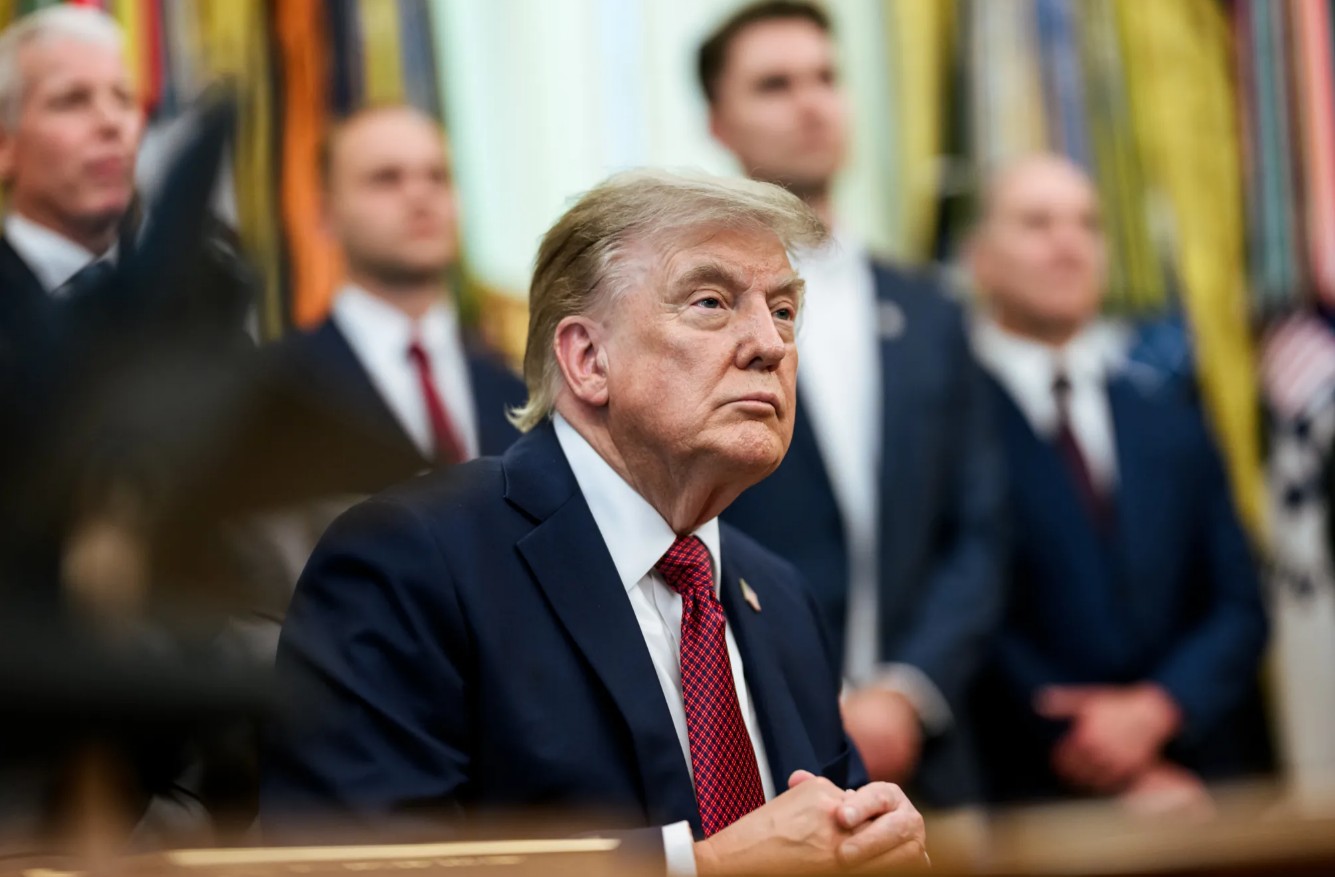
NEW YORK (Realist English). During the high-level week of the UN General Assembly, the United States and Iran are sending signals about a possible resumption of negotiations. US Secretary of State Marco Rubio said in an interview with NBC: “We are open to dialogue with Iran.”
At the same time, he emphasized that “at the moment there are no specific agreements,” and set a condition — the dialogue must bring a “positive outcome,” meaning it must achieve the key goal: “Iran must never obtain nuclear weapons.” Rubio’s statement was interpreted as a signal: if Tehran abandons its nuclear aspirations, Washington is ready to resume dialogue.
This signal carries subtle differences from Trump’s previous position. On September 8, Trump stated that he “does not seek to resume nuclear talks,” noting that “talks could happen, but that is not what we are considering.”
Iran’s Position: A Delegation with “Full Powers” in New York
The Iranian side is also demonstrating readiness for dialogue, but is taking a tougher stance. Before departing for New York, President Pezeshkian stated: “We will firmly defend Iran’s positions at international forums.”
He criticized the United States for “repeated violations of reached agreements and obligations” and questioned the West’s double standards on human rights, particularly mentioning the victims among “innocent students” in the strike on a school in Minab.
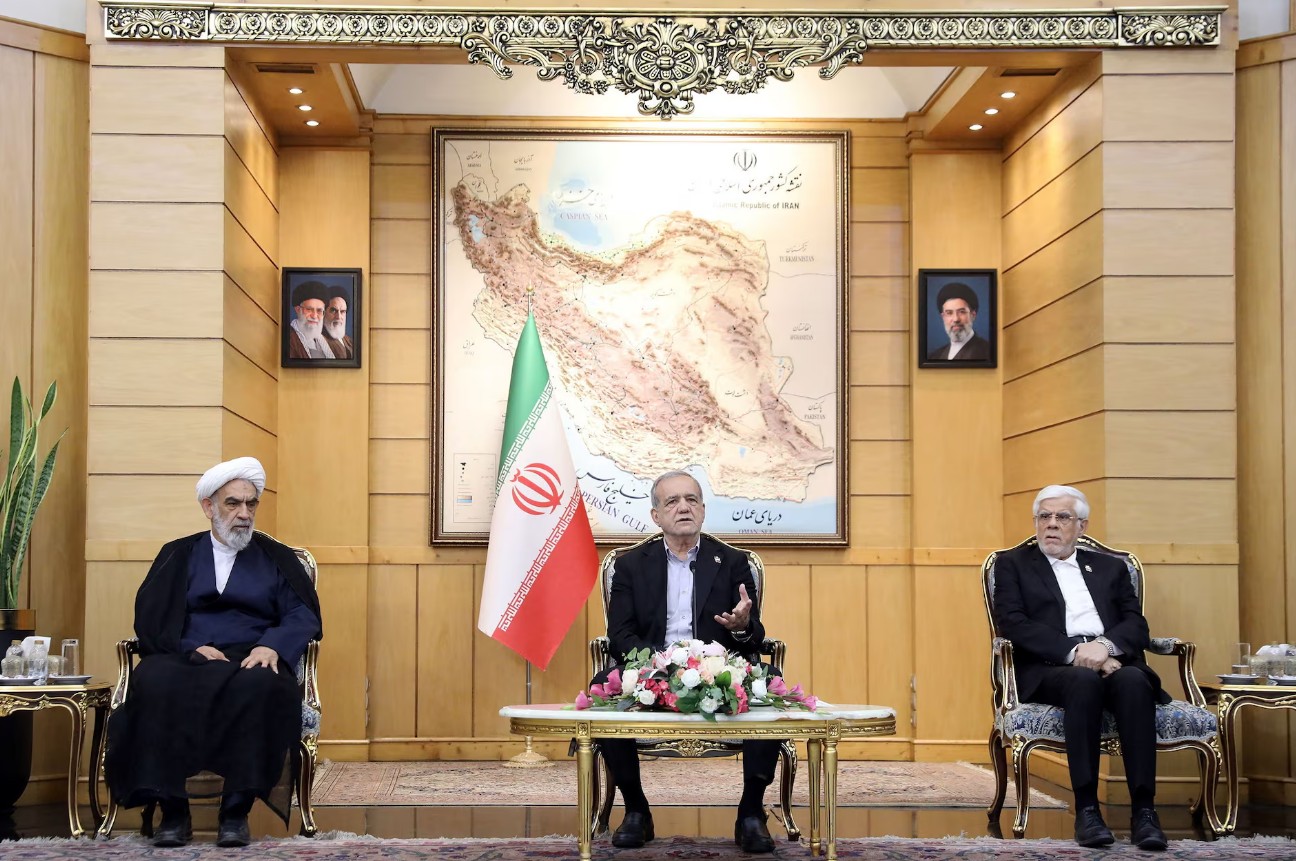
Notably, Iran sent a delegation to New York “empowered to restore diplomatic relations with the United States.” An Iranian government official told the media that the delegation “is already in New York” and will use the opportunities of the General Assembly for consultations with mediators, calling it an “excellent opportunity for the US to return to diplomacy.”
Key Proposal: Open Hormuz Within 7 Days
According to several media reports, Iran has conveyed a key proposal to the United States through mediators: if the US reduces military pressure and lifts the blockade of Iranian ports, Iran will open the Strait of Hormuz within 7 days. This proposal is seen as Iran’s “strongest card” for resuming negotiations to end the war.
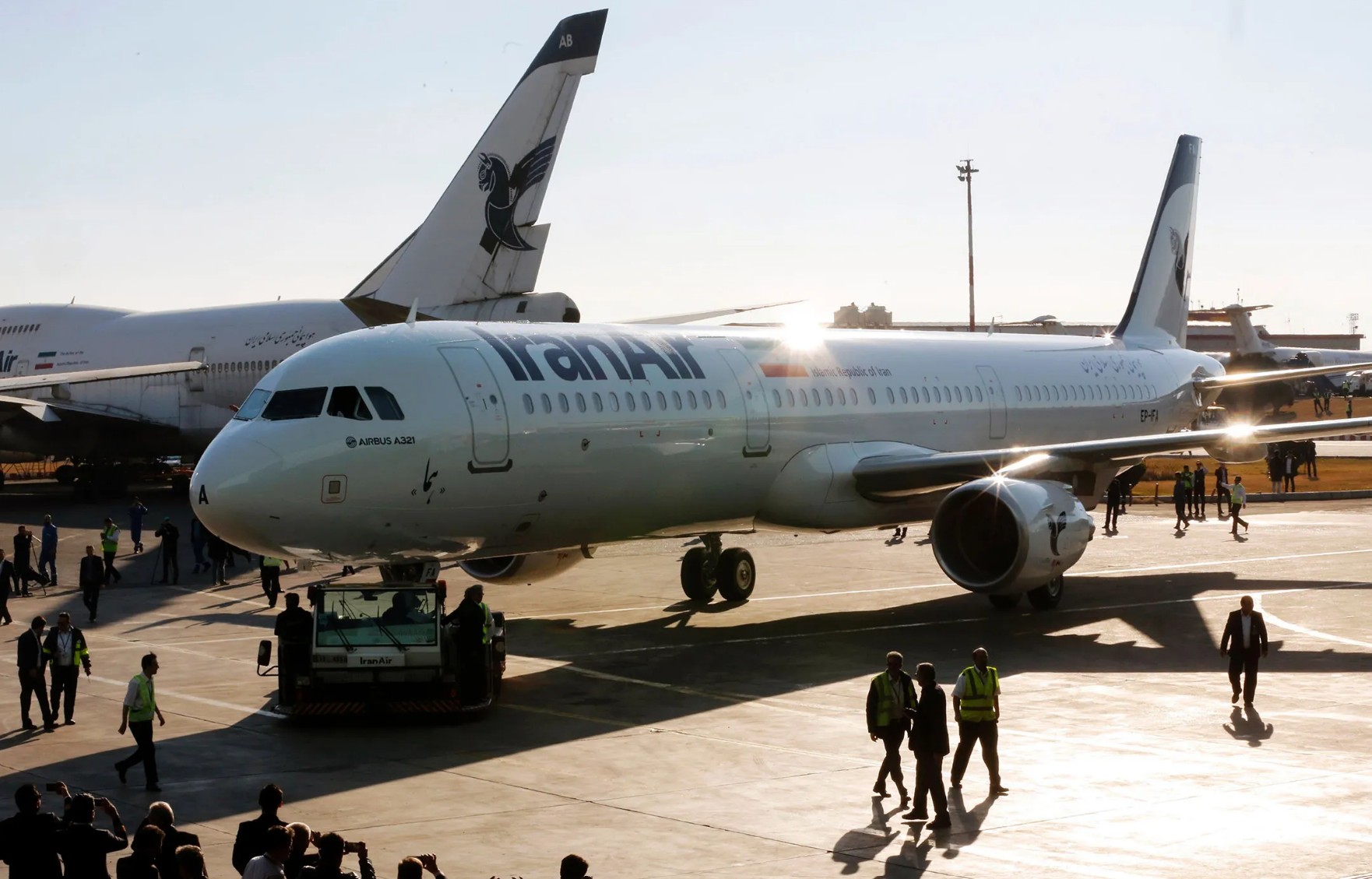
The closure of the Strait of Hormuz remains one of the central nodes of the current conflict. Since February 28, 2026, Iran has strengthened control over the strait, and the US responded by organizing a naval blockade of Iranian ports. The maritime standoff has seriously disrupted global energy transportation.
Historical Background: A Protracted Deadlock in Negotiations
US-Iranian negotiations reached a deadlock after the only round of direct high-level talks held in April in Islamabad.
At that time, the US demanded that Iran suspend nuclear activity for 20 years, while Iran proposed only 5 years — the sides failed to reach an agreement. In May, Trump stated he was “not satisfied” with the Iranian proposal, noting that Iran’s leadership is “extremely fractured” and comprises two to four opposing factions.
Assessment of Prospects
The high-level week of the General Assembly provides the US and Iran with a potential “diplomatic window,” but the positions of the parties remain fundamentally divergent. Iran demands the lifting of the blockade and reduced pressure as a precondition for dialogue.
The US insists that Iran must first abandon its nuclear aspirations. Whether mediators in New York can achieve meaningful contact will determine whether a turning point comes in the conflict that has already lasted several months. As one Iranian official put it: “The probability of reaching an agreement exists, but the American side must demonstrate sincerity and readiness to fulfill its obligations.”