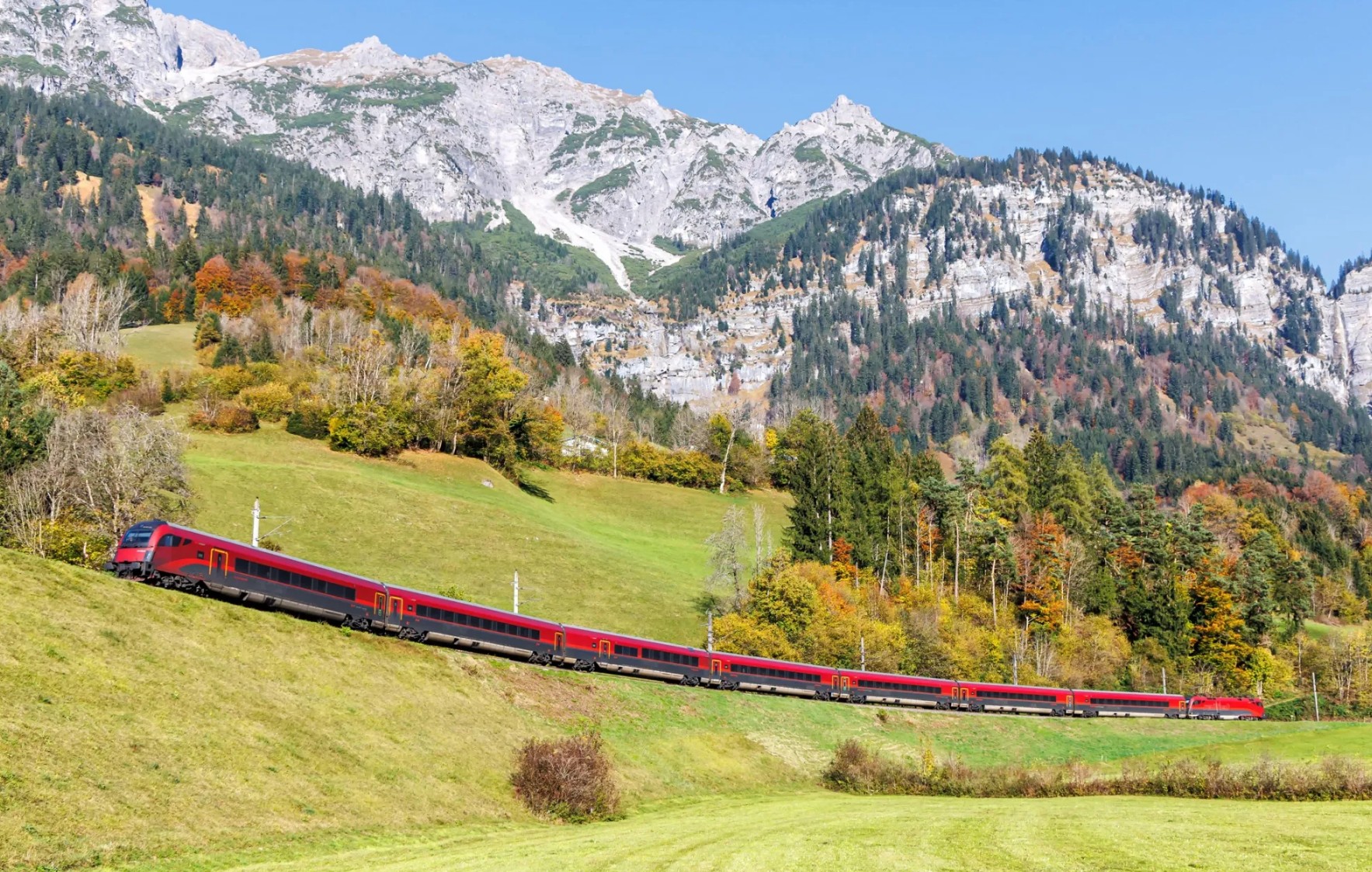
NEW YORK (Realist English). On 22 September, Bloomberg published an analysis arguing that paying extra for a higher class of carriage on a rail journey is the most cost-effective “luxury” upgrade in travel, with value far exceeding any comparable airline service. The publication calls this spending the most underrated luxury in travel. On the example of the route along the Hudson River from Poughkeepsie to Manhattan: a commuter train ticket costs $21, while Amtrak business class typically costs $87 — yet the scenery outside the window is absolutely identical.
Key Finding: Rail Upgrade vs Air Upgrade
Bloomberg’s analysis, using the railway along the Hudson River as an example, notes that the route from Poughkeepsie to Manhattan is “one of the most beautiful rail journeys in the world.”
The problem is that two types of trains run on the same tracks: the Metro-North Hudson Line commuter service, where an off-peak ticket costs $21, and the faster Amtrak option, where a regular seat starts at $37 and business class typically costs $87.
The key difference lies in the “marginal benefit” of the experience. An airline class upgrade often means a bigger seat, priority boarding, and better food, but the core experience — flying in a sealed metal tube at the same speed — does not change.
A rail upgrade, by contrast, can offer a completely different carriage atmosphere, more legroom, a quieter environment, and, most importantly, a better view. For scenic routes like the Hudson, moving from a crowded commuter carriage to a spacious seat with a panoramic view is a qualitative leap in experience.
Why This Is the “Most Underrated Luxury”
The logic of the conclusion is as follows: “luxury” in travel is usually equated with high spending, but a truly valuable upgrade is a choice that delivers maximum experience gain at minimum additional cost.
A rail upgrade meets this criterion for three reasons:
Low price threshold. Compared with an airline upgrade costing hundreds of dollars or a hotel room upgrade costing thousands, a rail upgrade for a few dozen dollars is “affordable luxury.”
Significant experience gain. The core value of rail travel lies in the scenery and the process, and a better seat directly optimises that core experience. This differs from air travel, where the passenger’s main need is to arrive faster, and the marginal value of a seat upgrade is limited.
Competitive pressure. In Europe and Asia, competition between rail operators and pressure from budget airlines keep prices for premium carriages relatively restrained. In the US, Amtrak business class on routes such as the Northeast Corridor costs more but is still significantly cheaper than airline business class.
The Broader Logic of the “$20 Upgrade”
Bloomberg’s conclusion is not isolated. The analysis shows a repeatedly confirmed pattern in travel: small upfront investments can significantly improve the travel experience and even save subsequent expenses.
Comparable options in the price range of around $20 include:
- Regional eSIM data plans — $10–20 cover several countries, avoiding international roaming bills of hundreds of dollars
- One-day airport lounge pass — $25–50, providing food, drinks, and quiet space during long layovers, which is cheaper than buying everything separately in the terminal
- ChatGPT Plus subscription — $20 per month; frequent travellers claim it has helped save thousands of dollars on hotels and tickets
What these choices have in common is that they buy not “more” but “better” — delivering a non-linear improvement in experience quality for a minimal economic price.
What This Means for Travellers
The finding has practical significance for trip planning. When the budget is limited, instead of cutting evenly across all categories, it is better to identify the areas where the cost of improvement is low and the experience benefit is high.
Rail upgrades, regional data plans, and lounge passes fall into precisely this category.
Conversely, “expensive but with limited experience gain” upgrades — for example, airline business class on short segments, high-floor hotel rooms — do not deserve priority consideration. The art of travel is not how much you spend, but where you invest that money.