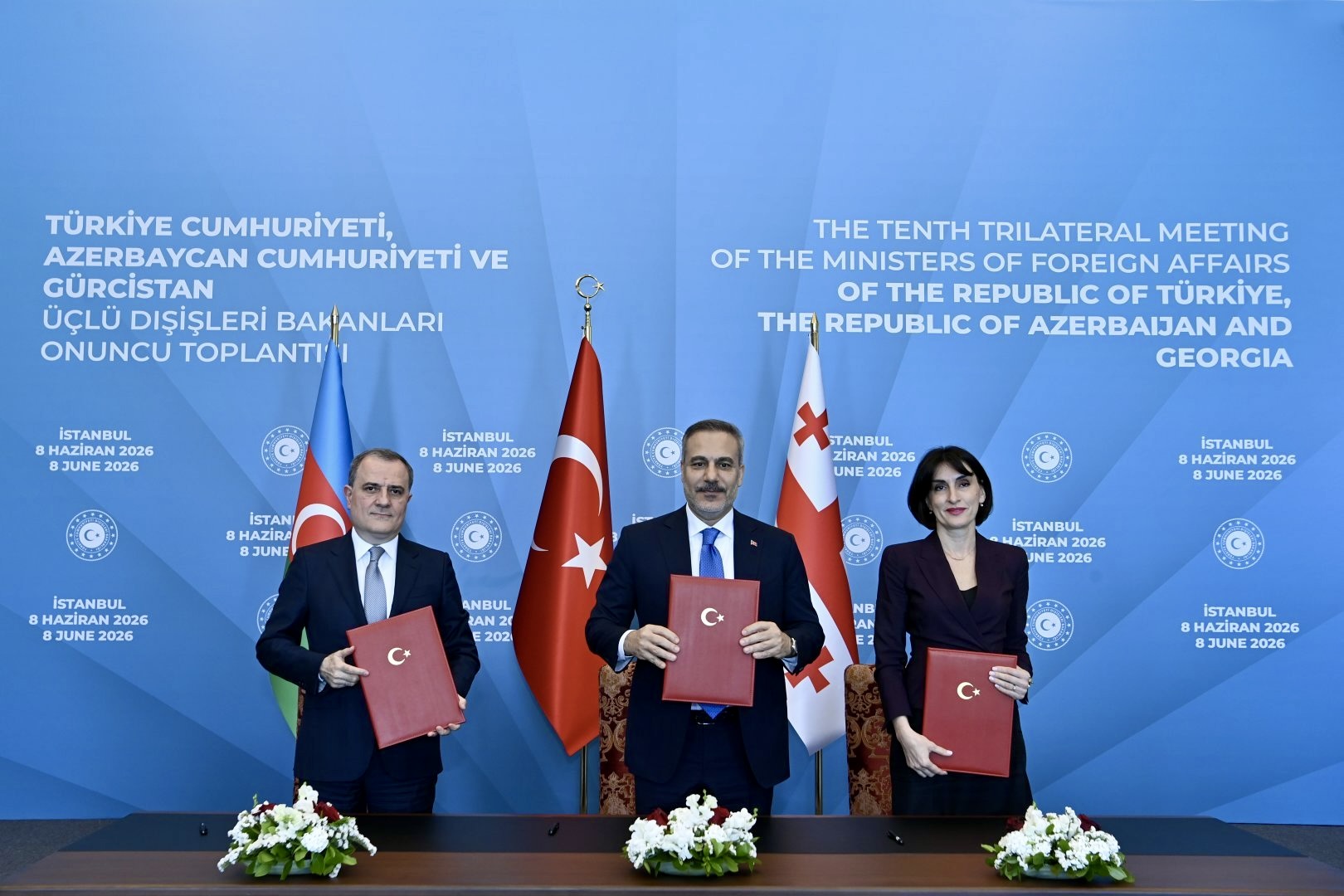
ISTANBUL (Realist English). The tenth trilateral meeting of the foreign ministers of Turkey, Azerbaijan and Georgia concluded with the signing of the “Istanbul Declaration.”
During the talks held at the Çırağan Palace, Ministers Hakan Fidan, Maka Bochorishvili and Jeyhun Bayramov reaffirmed their support for each other’s territorial integrity and outlined new areas of cooperation in energy and logistics. Particular attention was paid to the “Trump Route” project (TRIPP), which Baku sees as a potential missing link of the Middle Corridor.
Notably, the key element of these plans — a transport artery through Armenian territory — was discussed without Yerevan’s participation.
Key Points of the Istanbul Declaration
The signed document covers a wide range of areas for cooperation:
- Political sphere. The parties reaffirmed their firm support for the sovereignty, territorial integrity and inviolability of each other’s borders, as well as the exceptional importance of restoring the sovereignty and territorial integrity of Georgia within its internationally recognized borders. The “positive role” of all three states in establishing sustainable peace and stability in the South Caucasus was highly appreciated.
- Energy and climate. The “strategic contribution” of the Baku‑Tbilisi‑Ceyhan oil pipeline and the Southern Gas Corridor to Europe’s energy security was confirmed. Support was expressed for the development of “green energy” and for Turkey’s chairmanship of the COP31 climate conference.
- Infrastructure and countering threats. The parties intend to deepen cooperation against terrorism, transnational organized crime and cyberattacks.
Transport Breakthrough: BTK Reaches a New Level
A key outcome of the meeting was the welcome of the completion of the large‑scale modernisation of the Baku‑Tbilisi‑Kars (BTK) railway line, officially announced on June 2 at Akhalkalaki station. The ceremony was attended by Georgian Prime Minister Irakli Kobakhidze and the transport ministers of the three countries.
The project, implemented in five stages, covered 13 stations, 55 bridges and 8 traction substations. The line’s capacity has increased fivefold — from 1 million to 5 million tonnes of cargo per year.
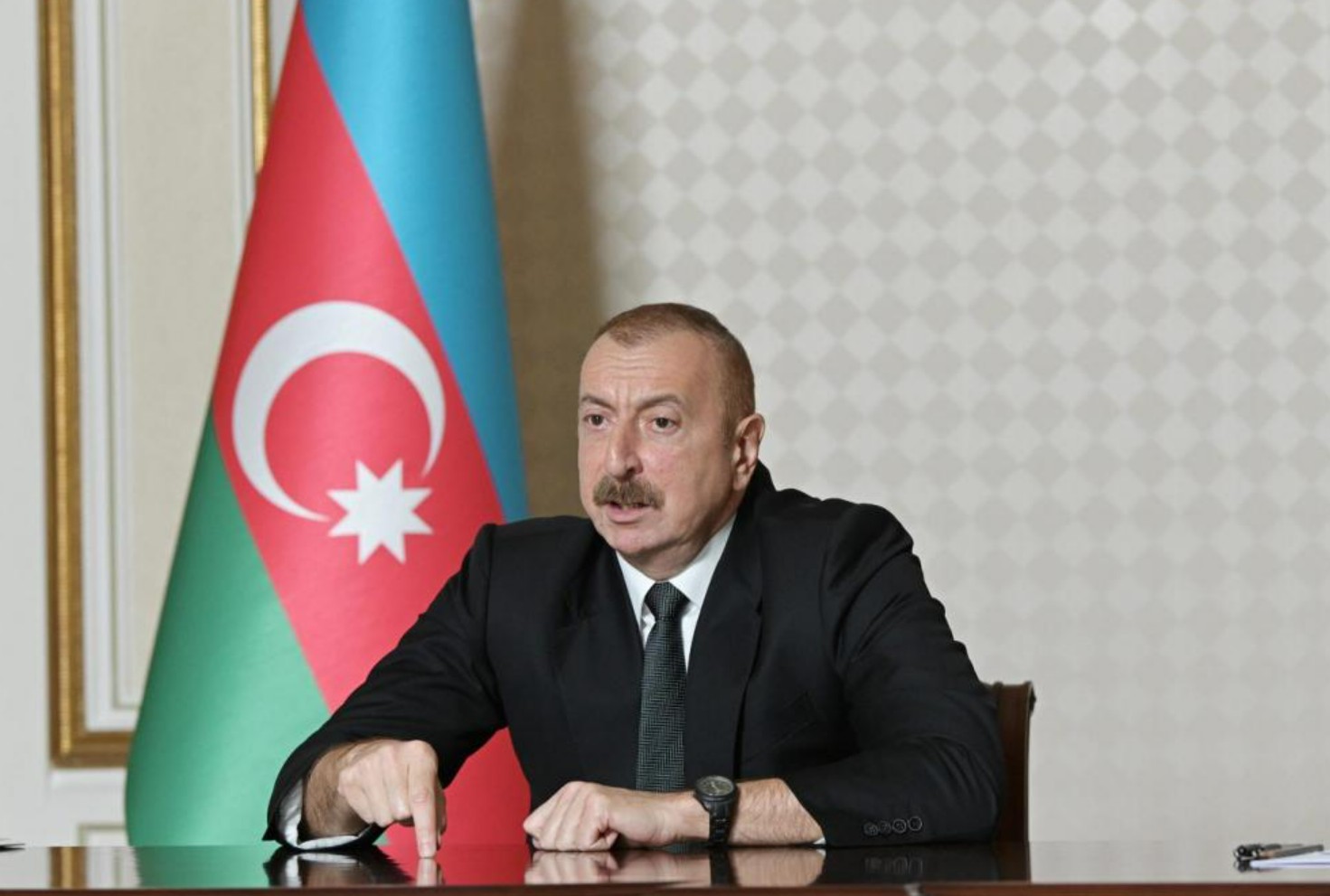
Azerbaijani Foreign Minister Jeyhun Bayramov called it a “historic event.” “The ongoing construction of the Kars‑Iğdır‑Dilucu railway line was noted with great satisfaction,” Bayramov said, adding that the BTK is now a crucial link in the Trans‑Caspian International Transport Route.
The “Trump Corridor” (TRIPP): US Ambitions in the South Caucasus
The main intrigue of the meeting was the discussion of the so‑called “Zangezur corridor” and its new incarnation — the US‑backed project TRIPP (Trump’s Route for International Peace and Prosperity).
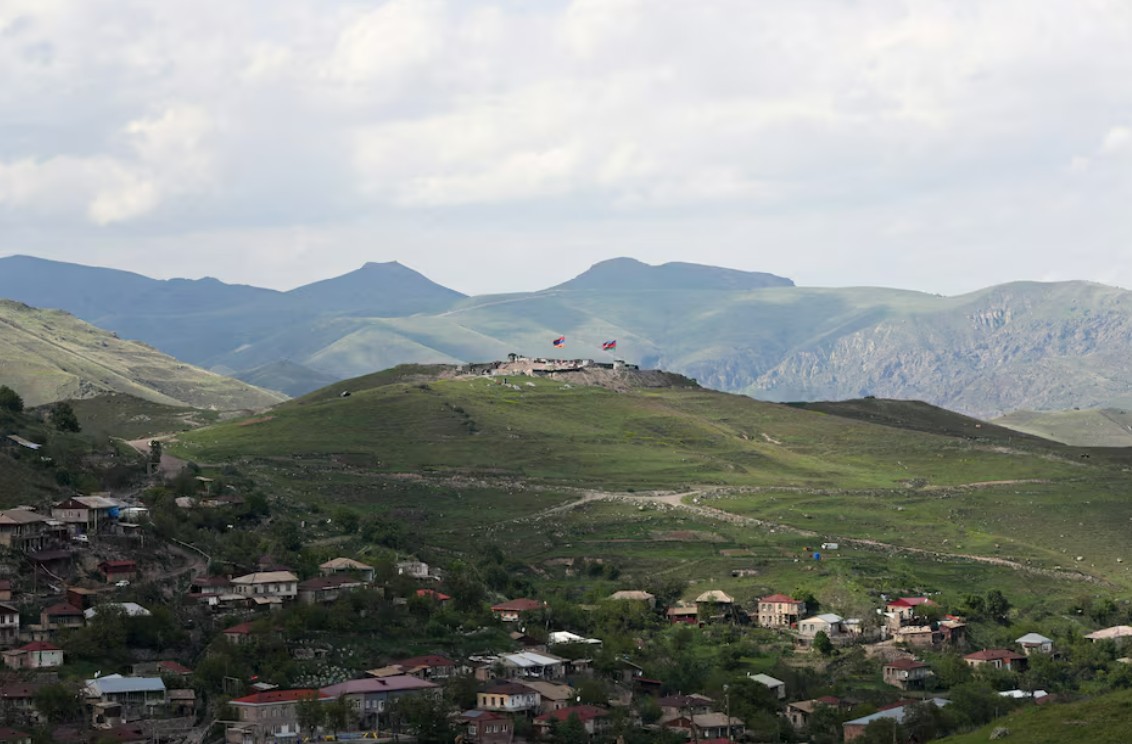
According to media reports and official statements, this plan envisages opening a 43‑kilometre road through Armenian territory under US administration, which would connect mainland Azerbaijan with the occupied Armenian Nakhichevan and further to Turkey.
“The implementation of the TRIPP project could become a new part of the Middle Corridor through the so‑called Zangezur corridor in a broader format. It could create a new route for 15 million tonnes of cargo and promises new benefits for the countries of Europe, Central Asia and Asia,” Jeyhun Bayramov told journalists after the talks.
This transport project, decisive for the entire South Caucasus, was discussed in complete isolation from Armenia, through whose territory the route is supposed to pass. Yerevan was not invited to the talks in Istanbul, and its position — including its principled disagreement with an extraterritorial status for the corridor — remained outside the discussion.
Thus, Baku, Ankara and Tbilisi are effectively coordinating the unblocking of communications through Armenian territory without Armenia’s involvement, raising serious questions about the legitimacy of such arrangements.
Earlier, Secretary General of the Organization of Turkic States Kubanychbek Omuraliyev noted that US management of this route would be an “additional impetus” to strengthen the Middle Corridor.
The parties called the talks productive and agreed to continue regular consultations. Bayramov stated that the adopted declaration “will serve to further strengthen joint efforts for the peace, security and prosperity of our peoples.”
The ministers decided to hold the next, 11th trilateral meeting in Georgia in 2027.