WASHINGTON (Realist English). The Trump administration is considering creating a $300 billion investment fund for Iran if Tehran complies with the terms of the ceasefire agreement, including the nuclear deal. This was reported by the Financial Times, citing sources familiar with the negotiations.
The creation of the fund is contingent on a final settlement, which includes a 60-day extension of the ceasefire regime, the opening of the Strait of Hormuz, and further nuclear negotiations.
Vance: ‘Not a cent of American money’
Vice President JD Vance confirmed in interviews with Fox News and CBS News that Iran could gain access to a multi-billion-dollar fund if it meets its obligations under the deal. However, he emphasized that this does not involve direct payments from the US budget.
“The agreement does not provide a single cent of American money,” Vance said. “If the Iranians behave properly, we will invite other countries — not us, but other countries — to invest in their economy.”
According to Vance, access to the fund would be contingent on Iran meeting specific demands: abandoning its nuclear program, ending support for terrorist groups, and changing its behavior.
“Iranians will not get a cent until they start behaving properly and change their conduct,” the vice president stressed.
Vance himself will take part in the official signing ceremony of the memorandum of understanding in Geneva, scheduled for Friday.
Trump: ‘Fake news from Democrats’
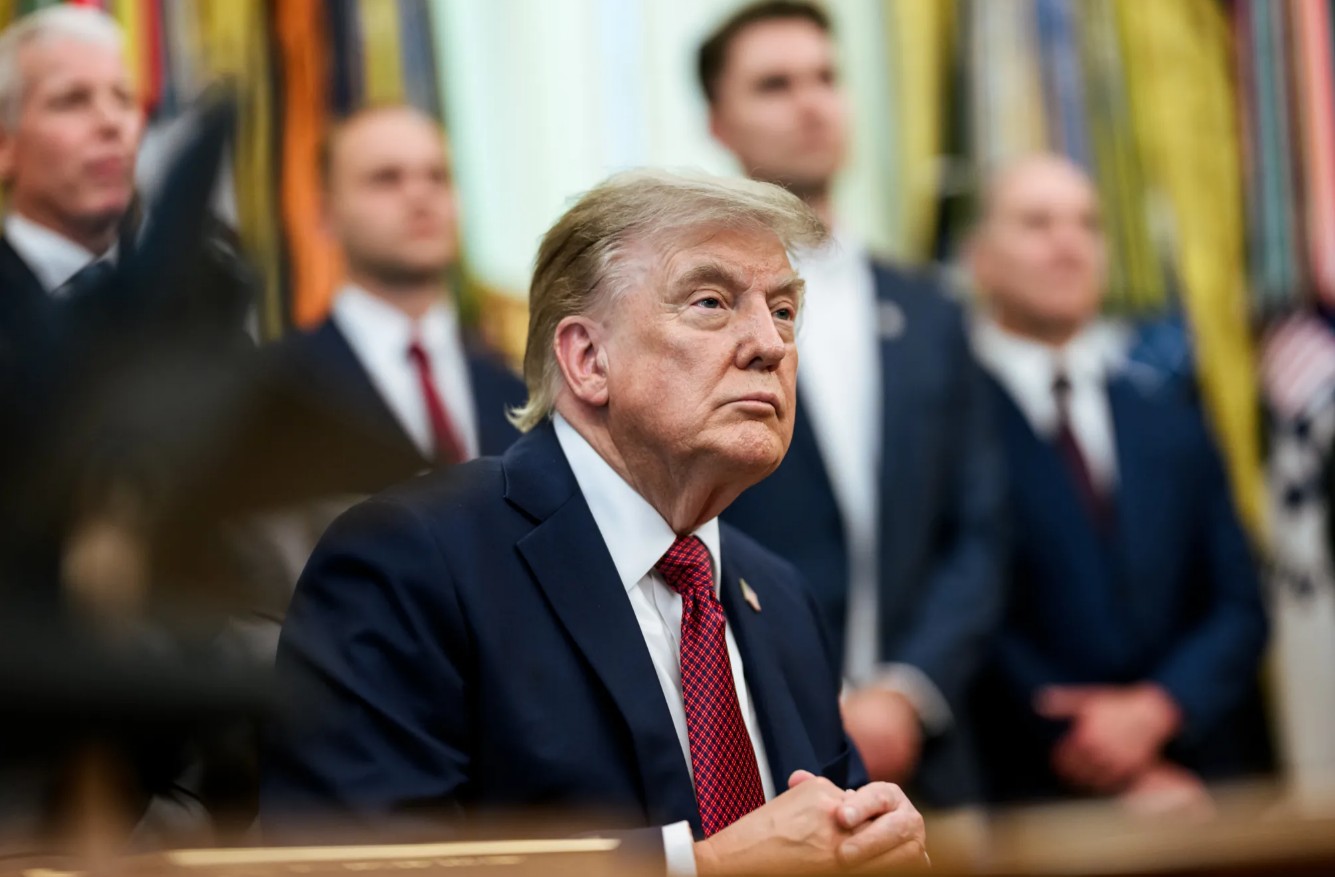
President Donald Trump, by contrast, categorically denied reports of a $300 billion fund.
On his Truth Social platform, he wrote: “Iran has agreed to never have nuclear weapons! Also, the story that the US is paying Iran 300 million dollars is fake news spread by the Democrats!!!”
Trump appears to have confused the figure: the reports referred to $300 billion, not $300 million. In another post, he called reports of a $300 billion fund for Iran’s reconstruction “fake news.”
Sources of funding: oil, business and Gulf states
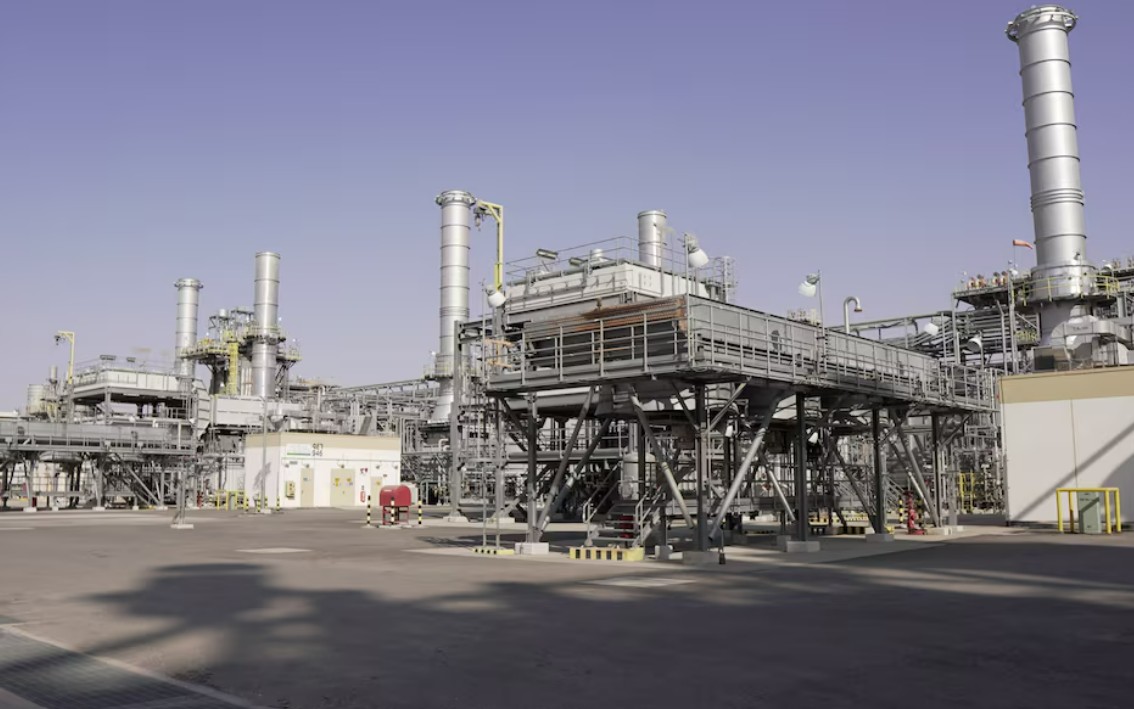
According to the FT report, the fund would be established to attract investment in Iran’s energy-rich resources. Sources indicate interest from businesses in Europe, Asia, South Korea, Japan, and the United States.
An alternative version, voiced by Vance, suggests funding through a “Coalition of Gulf states.” The idea is that neighboring Gulf countries, which Iran attacked during the war, would invest in rebuilding Iran’s economy.
“We are absolutely open to Gulf countries investing in Iran’s reconstruction, but only if Iran ends its nuclear program, eliminates its stockpiles of enriched material, and is truly open to an inspection and verification regime,” Vance explained.
Internal administration conflict and criticism
The contradictions within the White House have created confusion: one senior official confirmed that the possibility of a “large $300 billion fund for the country’s reconstruction” was discussed, while Trump called these reports lies.
Trump adviser Alex Bruesewitz sought to defuse the situation by explaining that the fund was not “unconditional handouts” but a “conditional incentive, or in simpler terms, a ‘carrot.'”
Senator Lindsey Graham (Republican of South Carolina) expressed skepticism: “The idea of a $300 billion reconstruction fund, given who runs Iran, seems tone-deaf. It would be like a Marshall Plan for Germany while the Nazis were still in power.”
Iran: ‘Memorandum written with active mistrust’
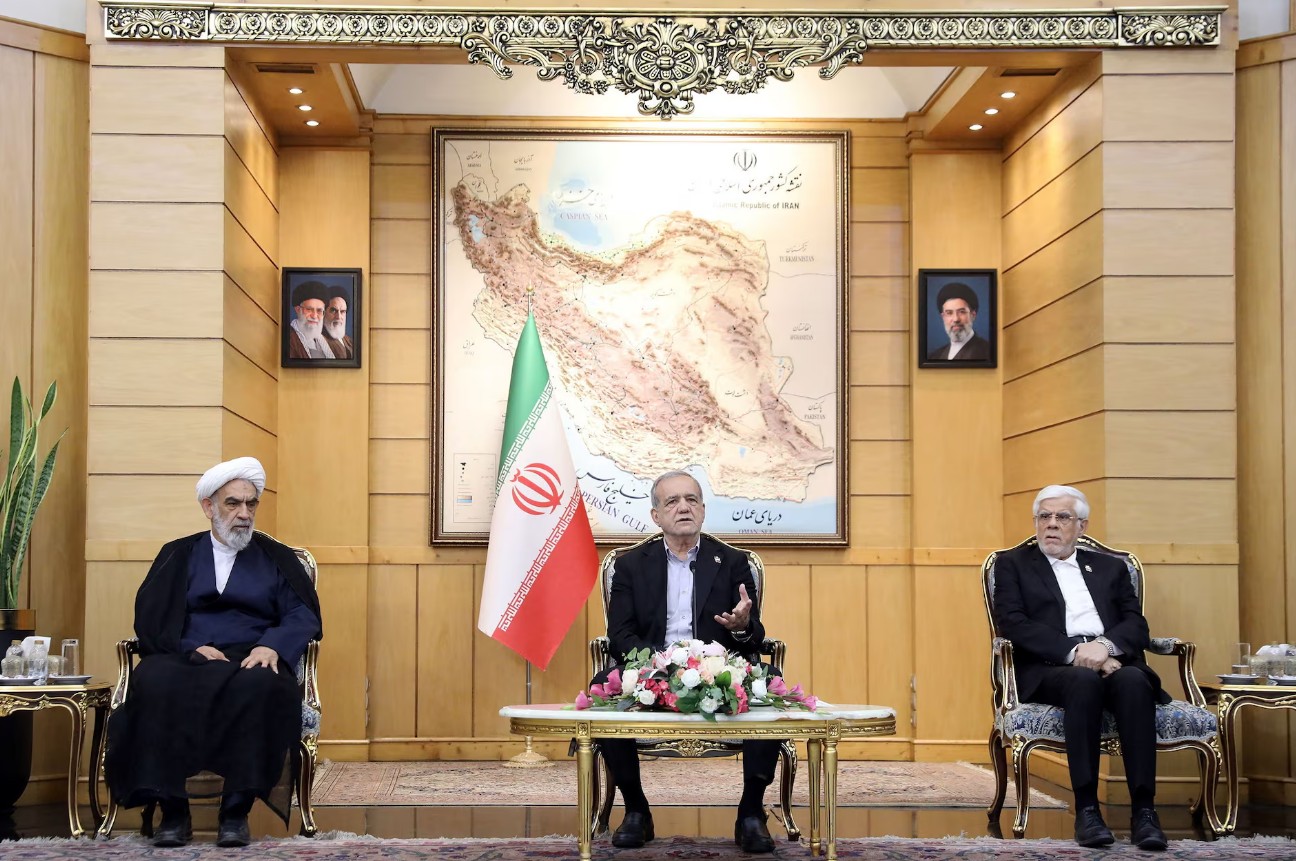
Iran’s Deputy Foreign Minister Kazem Gharibabadi stated: “This memorandum does not mean trust in the enemy; it was written with active mistrust.”
Iranian President Masoud Pezeshkian called the signing of the memorandum “an important step” toward ending hostilities but warned that a final agreement on a lasting ceasefire “has yet to be finalized.”