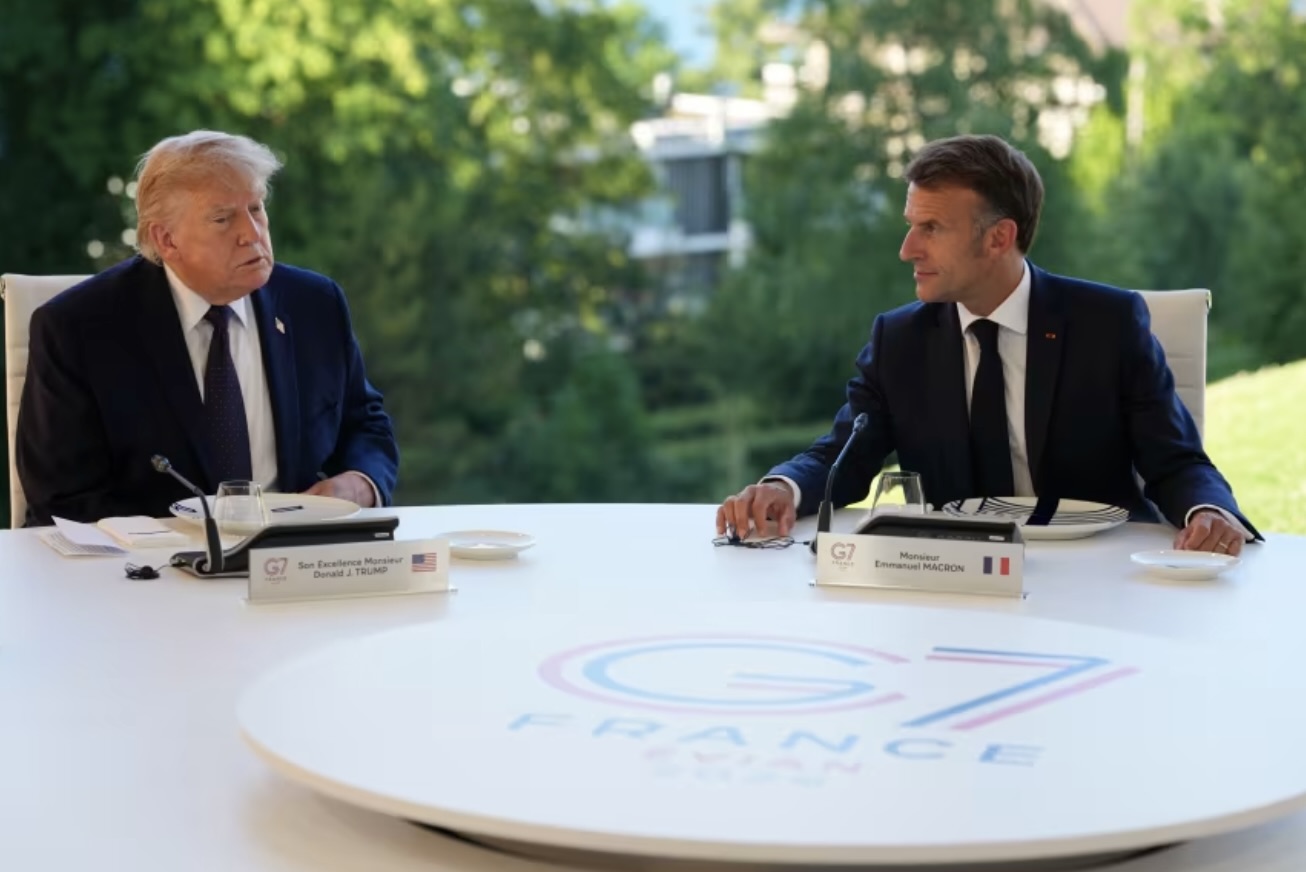
EVIAN-LES-BAINS (Realist English). The G7 summit in the French resort town of Evian-les-Bains has turned into a venue for tense consultations: leaders of the world’s major powers are trying to figure out the details of the US-Iran deal, the text of which remains classified even for Washington’s closest allies. Instead of a triumphant announcement of peace — an atmosphere of uncertainty and mutual suspicion.
A mystery shrouding the agreement
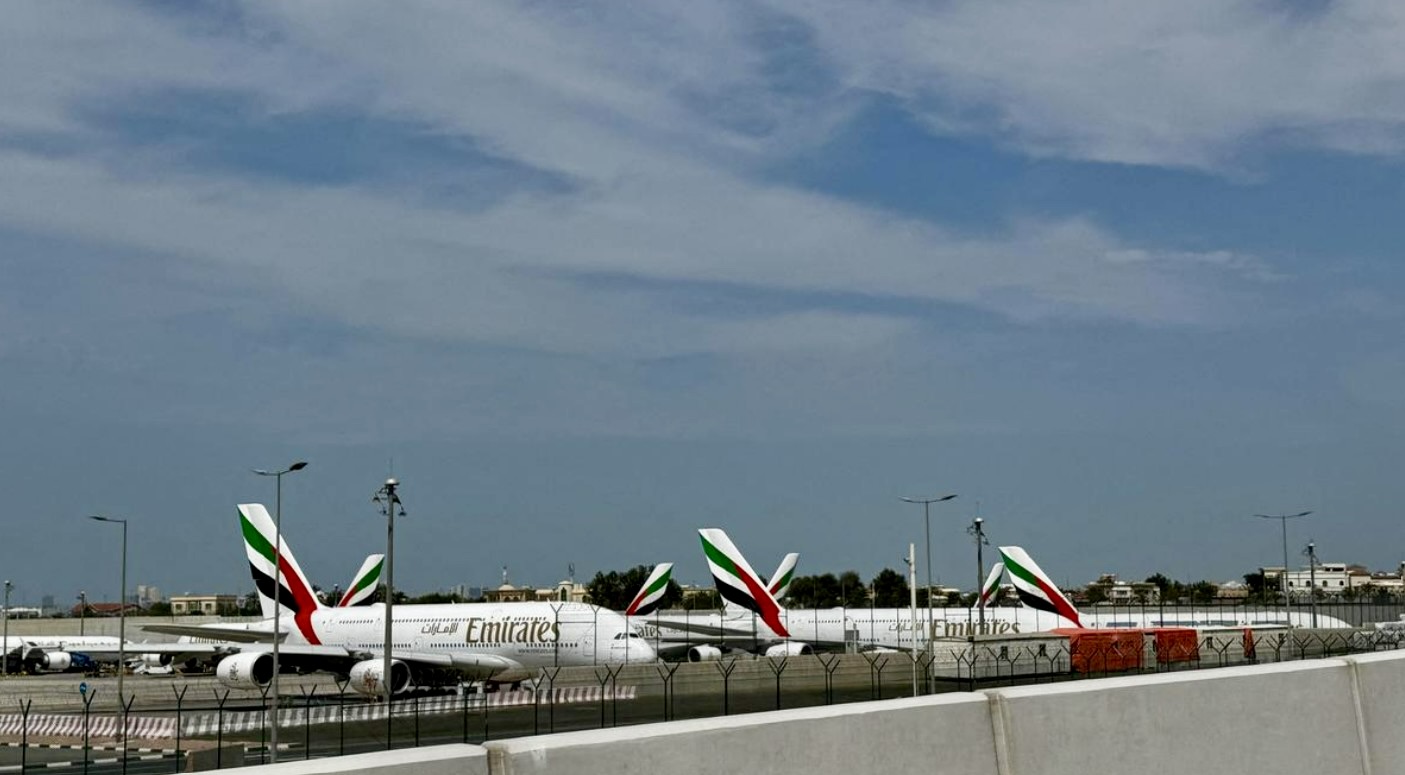
The main enigma of the summit is the absence of a publicly available text of the memorandum. Although Donald Trump assures that the deal is “concluded and signed” and that the Strait of Hormuz is “already partially functioning,” neither the American nor the Iranian side has released the document for public scrutiny.
A White House official promised to publish the one-and-a-half-page text before the official ceremony in Geneva scheduled for June 19, but Trump himself clarified that it would happen “most likely after Friday.”
The confusion is compounded by the fact that within the Trump administration, opinions differ on who exactly signed the document on Iran’s side — Parliament Speaker Mohammad-Bagher Ghalibaf or Supreme Leader Mojtaba Khamenei. This raises additional questions about the legal force and long-term viability of the agreements reached.
Europeans demand guarantees and fear miscalculations
France, Britain and Germany, effectively sidelined from the final stage of negotiations, insist on transparency. Emmanuel Macron said Europe would push for a “solid, serious and final agreement,” not a temporary stopgap.
European leaders intend to warn Trump that a superficial truce could only strengthen Tehran’s nuclear and missile potential. They are concerned that an inexperienced American negotiating team may not have enough time within 60 days to develop reliable mechanisms for controlling Iran’s nuclear developments and ballistic missiles. Paris also insists on including in the agenda issues of territorial integrity and sovereignty of Lebanon.
Trump sees only success
The American president, by contrast, radiates optimism. “The agreement with Iran will bring a lot of success,” he said upon arrival. Trump promised that the Strait of Hormuz would be “fully open” as early as Friday.
At the same time, he does not ignore trade disputes: the US president threatened to impose 100% tariffs on French wine if Paris does not cancel the tax on American IT corporations. Thus, the talks on the sidelines of the summit promise to be no less heated than the main discussions.
Expanded format and other topics
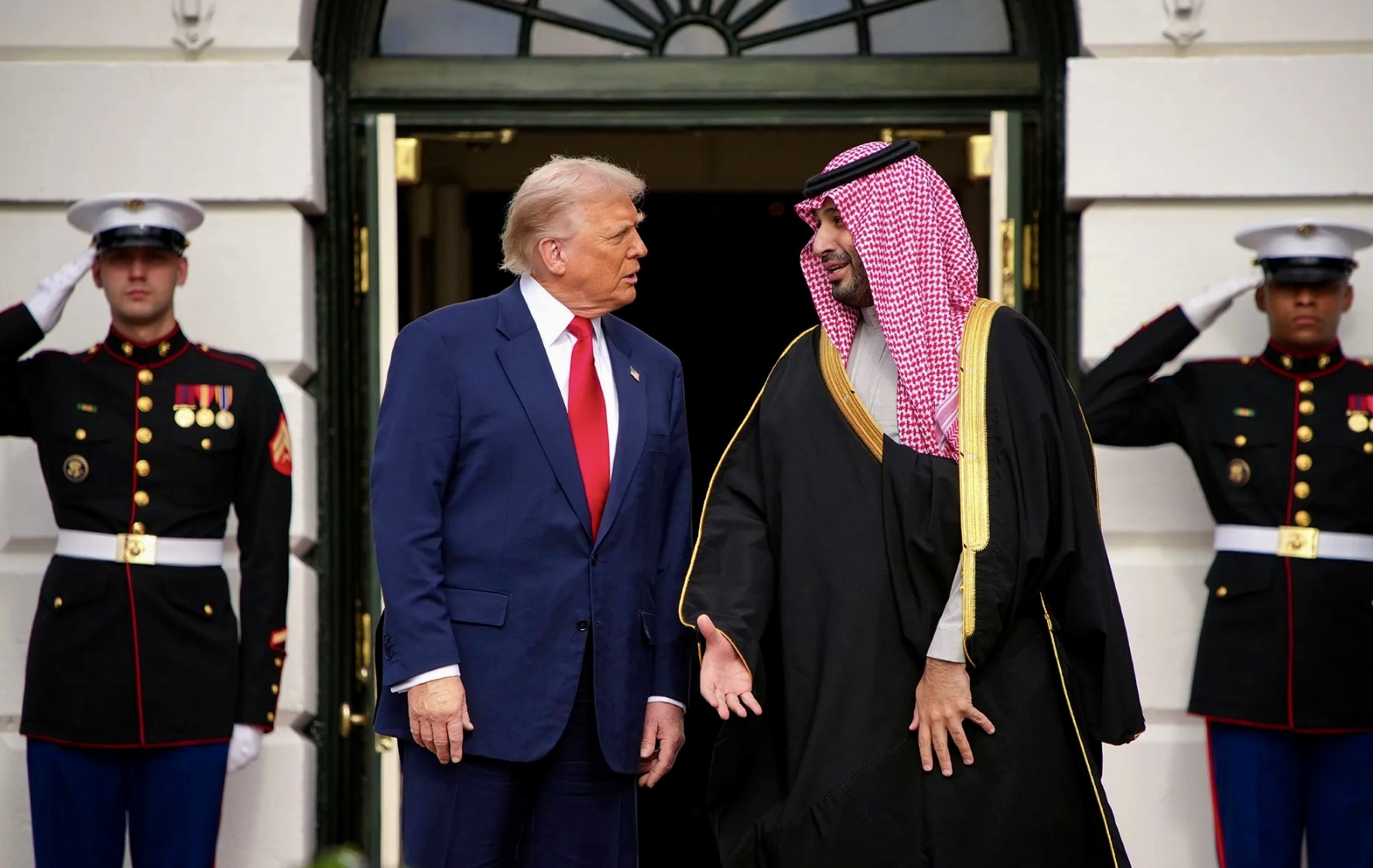
Macron invited the leaders of Egypt, Qatar and the UAE to the summit. Their presence is critically important, as Washington is counting on financial support from the Gulf states to create a $300 billion fund for the post-war reconstruction of Iran.
The war in Ukraine also remains on the agenda. Volodymyr Zelenskyy is participating in a session devoted to “peacebuilding” and may meet separately with Trump. Europe intends to convince the US president to reconsider his approach to resolving the conflict in the east of the continent.
The second day of the summit, June 16, should dispel at least some of the uncertainty. For now, however, the G7 leaders and the entire world continue to wait — waiting for the text, waiting for clarity, waiting for real steps, not loud statements.