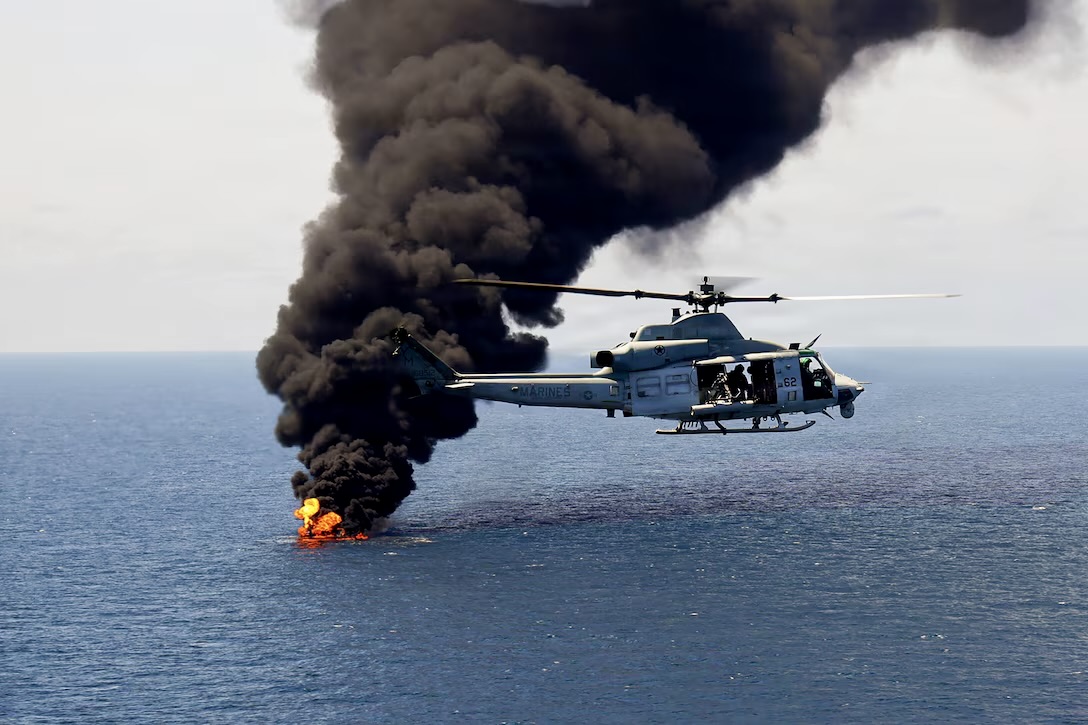
WASHINGTON (Realist English). For the first time in nearly two weeks, the United States has not carried out new airstrikes on Iran.
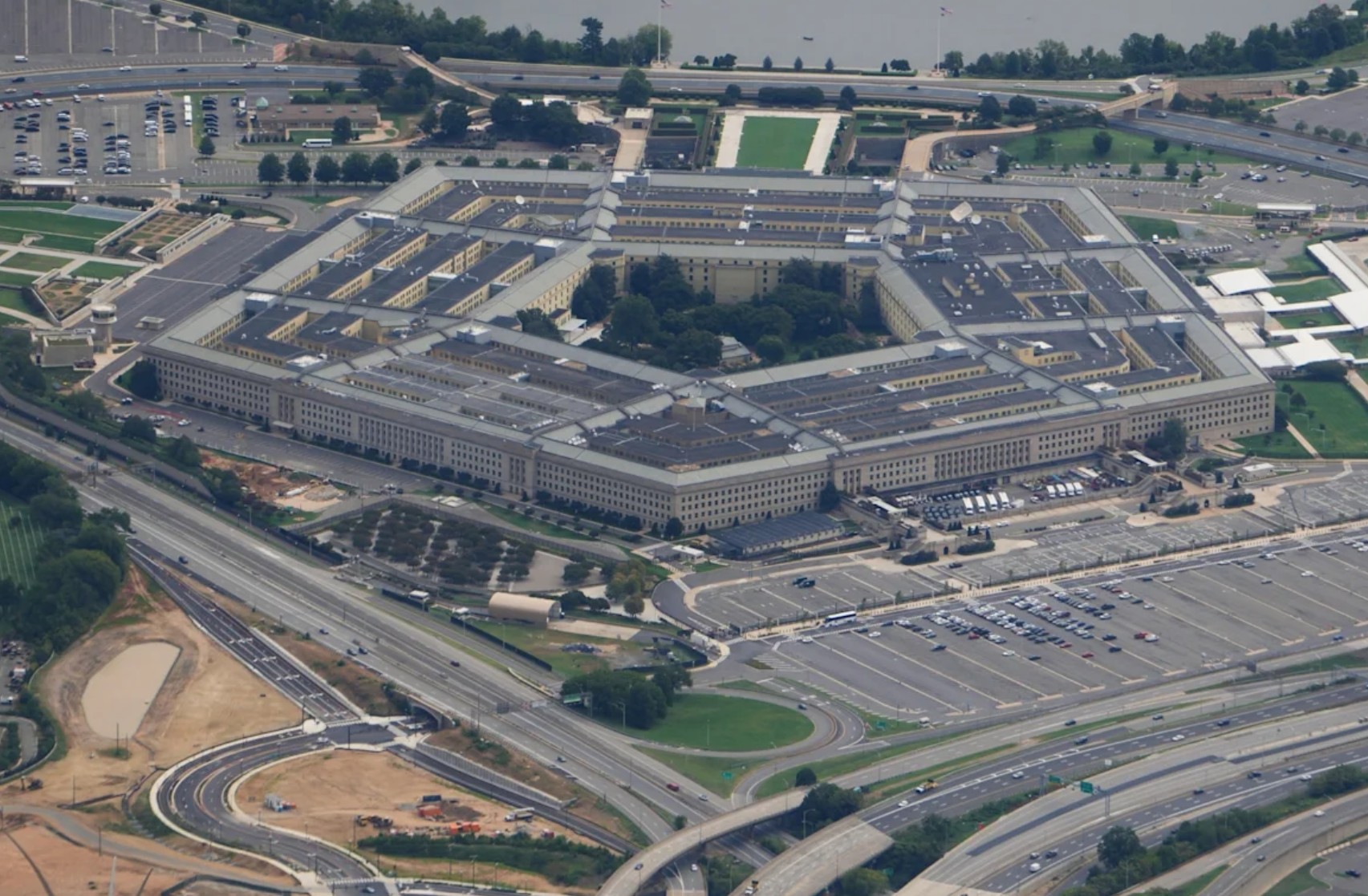
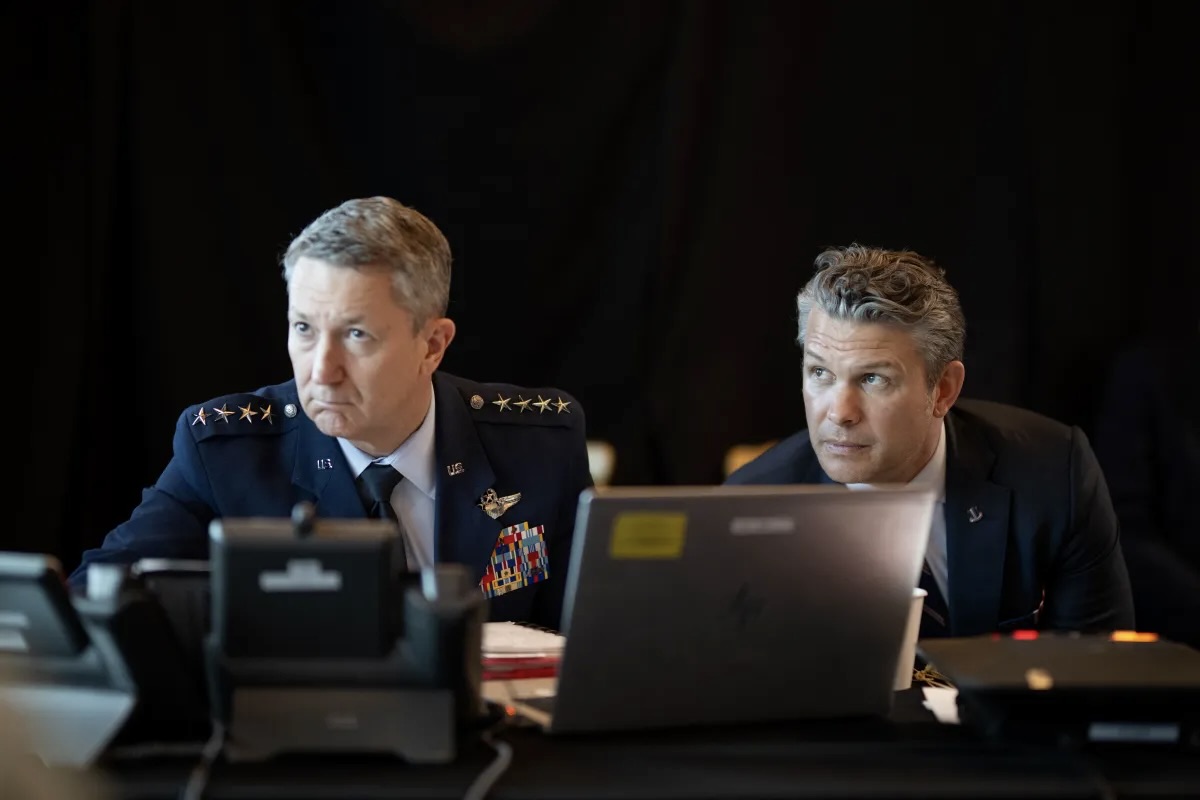
The pause in bombings came after Vice President JD Vance and Joint Chiefs of Staff Chairman General Dan Caine expressed serious concerns about further escalation of the conflict at a closed White House meeting on July 24, CNN reports, citing informed sources.
As the outlet notes, the operation has been placed “on pause” — a Pentagon spokesman confirmed this on July 25. Over the previous 13 nights, airstrikes had been conducted on Iranian targets without interruption.
Vance and Caine’s Concerns: Depleting Arsenals and Risks
The main focus of concern at the meeting was the state of US arsenals. General Caine directly pointed out to President Donald Trump the significant reduction in ammunition stockpiles and warned of the possible consequences of continuing the campaign.
At the same time, according to a source, Caine assured Trump that the military is capable of successfully completing any assigned tasks but clearly outlined the potential risks.
Vance, in turn, supported the Joint Chiefs chairman, expressing concern both about the state of the arsenals and the prospects for expanding the conflict. According to CNN, similar warnings had been voiced even before the war began — Caine and other military leaders had then told Trump that a prolonged campaign could severely impact Pentagon stocks.
Key arguments of those opposing escalation:
- Depletion of stocks — key US arsenals have been significantly reduced and could come under even greater pressure if strikes continue.
- Uncertain outcome — few in Trump’s circle and at the Pentagon believed that further escalation would lead to the desired results.
- Limited options — the president, according to sources, was aware that escalation without ground troops has its limits.
Pressure from Allies and Trump’s Position
The pause in strikes resulted not only from internal warnings. Gulf states in recent days have been strongly urging Washington to show restraint. At the same time, sources note that Arab monarchies acknowledge that the US possesses unique capabilities for escalation if it decides to do so.
White House Press Secretary Steven Cheung stressed in an official statement: “President Trump has consistently stated that he prefers a diplomatic solution but keeps all options on the table if Iran continues terrorist activities in the Strait of Hormuz or against allies.”
Following the meeting, Trump told reporters that US officials are in active negotiations with Iran and noted that Tehran, in his view, is becoming “more serious” in dialogue. However, he did not rule out the possibility of continuing the campaign: the military could resume bombings or, as the president put it, “make the dose heavier.”
Expansion of the Conflict’s Geography
The pause in airstrikes coincided with the emergence of new flashpoints. Over the weekend, Iran‑backed Yemeni Houthis attacked Saudi targets on the Red Sea coast. Additionally, there were reports that Iran had accused Ukraine of attacking its vessel in the Caspian Sea.
Despite the pause, Washington continues to hold a military fist over Tehran. As Steven Cheung reminded, “13 days of strikes on military targets in response to aggression and successful sanctions that have paralysed Iran’s economy should convince Tehran to strike a deal. Otherwise, they know what will happen.”
CNN sources note that Trump simultaneously instructed his negotiators to “keep the conversation going,” demonstrating a dual approach.
Analysts agree that the pause may be a temporary measure related to the need to reassess strategy and replenish stocks, rather than a final abandonment of the military scenario. As one source stressed, the warnings from Vance and Caine were just one of many arguments voiced at the meeting.