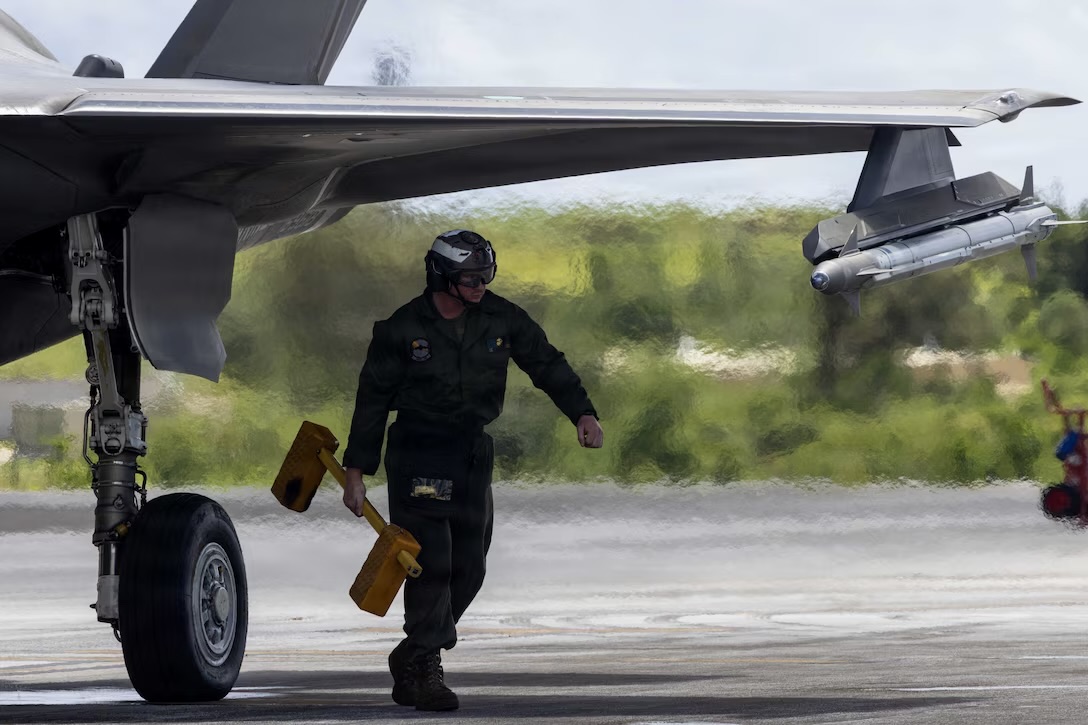
TEHRAN (Realist English). On the night of July 9, US Central Command (CENTCOM) confirmed the start of a new series of strikes on Iranian targets.
The operation was carried out on the orders of President Donald Trump, just hours after he declared at the NATO summit in Ankara that the ceasefire with Iran was “over.”
“The United States is holding Iran accountable for its recent unprovoked aggression against commercial vessels and civilian crews freely transiting a vital international waterway,” CENTCOM said in a statement.
Ultimatum from Trump: ‘For Me, It’s Over’
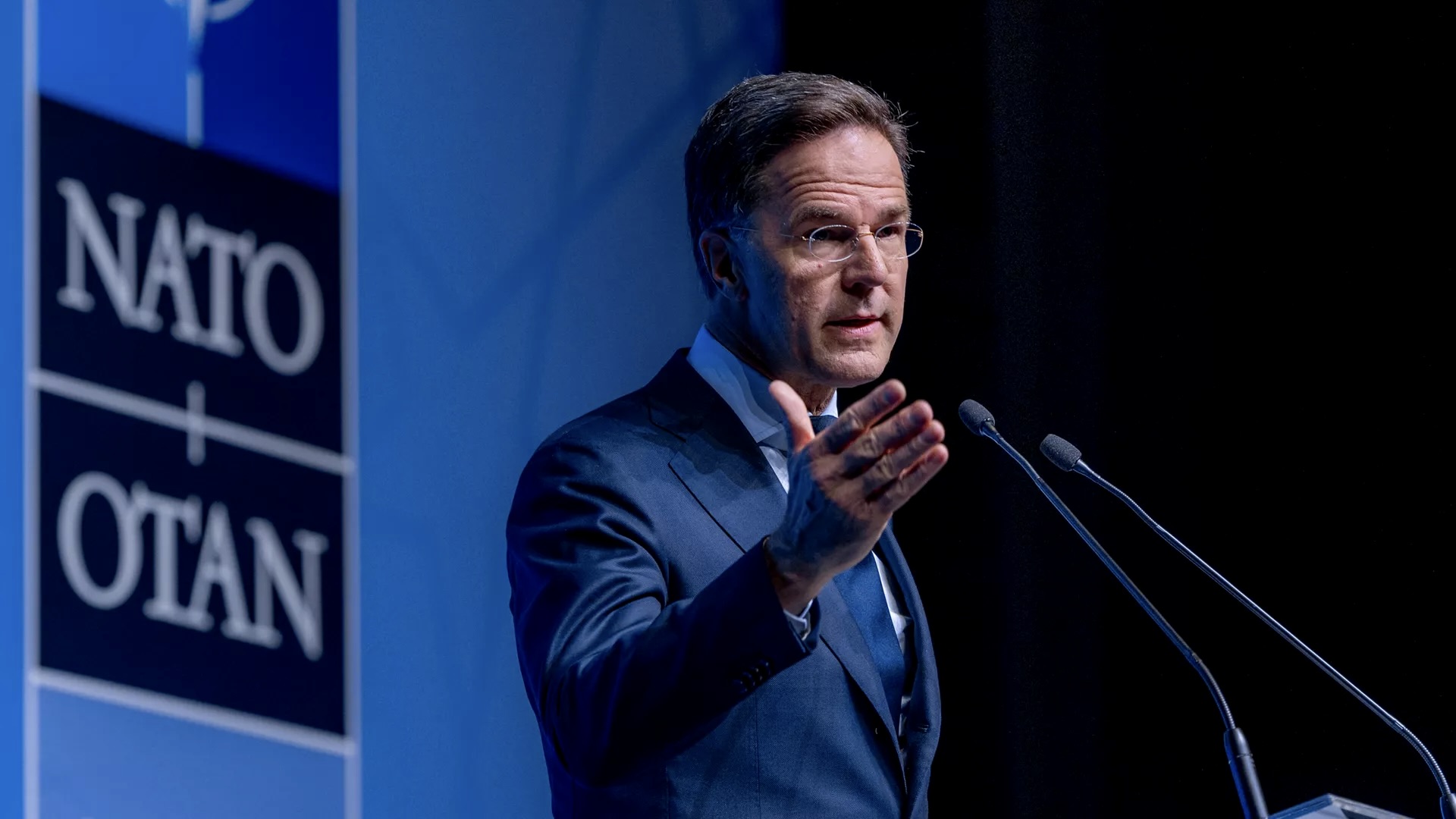
The ceasefire termination announcement came on the sidelines of the NATO summit in Ankara on July 8. In response to a journalist’s question about the status of the agreement, Trump said: “I think for me, it’s [the ceasefire] over. I don’t want to deal with them anymore, they’re just scumbags, sick people.”
The US leader also made it clear that he sees no point in further diplomatic efforts: “As far as I’m concerned, it’s a waste of time to talk to them. They’re liars.” At the same time, he acknowledged that US negotiators could continue contacts with Tehran, but any decisions would only be made with his approval.
Later, during a meeting with Ukrainian President Volodymyr Zelensky, Trump warned of further strikes: “We hit them very hard last night… Possibly tonight we will hit them hard again. I gave them a little warning.” He also said that the attack would not be of the “highest level,” but suggested that if necessary, bridges, power plants and desalination plants could be targeted.
Scale of the Strikes: 80 Targets and New Attacks
The night operation was a continuation of the series of strikes carried out by the US on July 7–8 in response to attacks on three commercial vessels in the Strait of Hormuz. In the previous wave, US forces hit more than 80 targets, including air defence systems, coastal radar stations, anti-ship missile systems and over 60 vessels belonging to the Islamic Revolutionary Guard Corps (IRGC).
The new strikes are being carried out “to further degrade Iran’s ability to threaten freedom of navigation in the Strait of Hormuz.”
According to Iranian state media, explosions were heard in the port cities of Bandar Abbas and Sirik, as well as on Qeshm Island. Later, power outages were reported in Chabahar and explosions in Bushehr province. Air defence systems were activated in Bandar Abbas.
Iran’s Retaliatory Actions and Escalation
Iranian forces claimed retaliatory strikes on US facilities in Bahrain and Kuwait, targeting 85 military sites, including Salman Port, the headquarters of the US Fifth Fleet in Bahrain and Ali Al Salem Air Base in Kuwait.
Air raid sirens sounded in Bahrain following reports of Iranian attacks.
Iranian state media also reported the downing of a US MQ-9 reconnaissance drone. However, officials have not confirmed significant damage from strikes on US facilities in the Gulf states.
The Collapse of a Fragile Ceasefire
On June 17, the US and Iran signed the “Islamabad Memorandum of Understanding,” which provided for a 60-day ceasefire and the launch of negotiations on a permanent peace agreement.
However, just three weeks after the signing, the sides returned to mutual strikes, and Trump effectively declared it void. Simultaneously with the military operation, Washington revoked the licence allowing Iranian oil sales.
Trump’s declaration that the ceasefire was “over” and the new strikes on Iran have become the most serious test of the peace process since the memorandum was signed.
Talks on a permanent peace agreement, which were set to resume after the funeral of Supreme Leader Ali Khamenei, are now in question.
The escalation also threatens to overshadow the NATO summit in Ankara, where alliance leaders had planned to discuss defence spending and the war in Ukraine.