PARIS(Realist English). Chinese electric vehicle manufacturer XPeng has announced its ability to quickly adapt its autopilot system to European roads. According to the company, transitioning from one European country to another takes about two weeks. At the same time, only one ten-thousandth of the data required to train a basic AI model is needed.
Key statement: small data, fast adaptation
Liu Xianming, head of XPeng’s Universal Intelligence Center, stated this on the eve of the Paris Motor Show. According to him, the company can “quickly” adapt its advanced driver assistance technology to European roads. For this, a “relatively small” amount of data is used. Rebuilding software capabilities from scratch is not required.
Adaptation from one European country to another takes only about two weeks. The required amount of data is only one ten-thousandth of the data required to train a basic AI model.
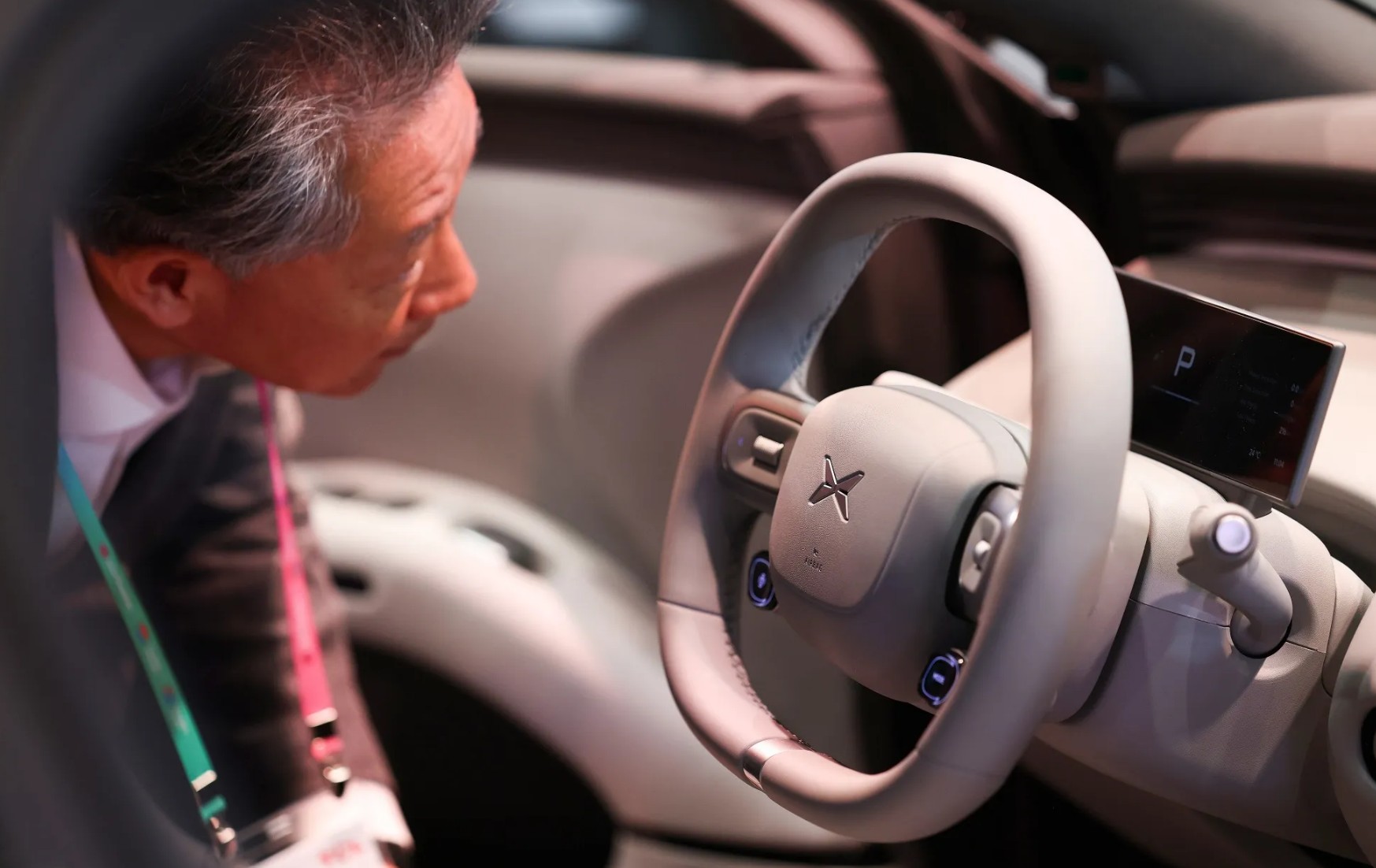
This capability is based on the second-generation VLA (Vision-Language-Action) model. Unlike traditional solutions that rely on high-precision maps and predefined rules, this model is based on understanding the physical world. This allows the vehicle to perceive unfamiliar road situations and make decisions like a human.
Technical verification: from Germany to the Netherlands
XPeng has already conducted real road tests in several European countries. In July 2026, Chairman He Xiaopeng completed the European acceptance test for localization of the second-generation VLA model in Germany. The system was able to handle city highways, narrow alleys, and sharp curves. It also performed autonomous detours and smooth pedestrian avoidance.
Tests showed: the model recognizes complex European road signs. It understands local traffic rules and the right-of-way system. It also adapts to the driving style of European users. He Xiaopeng stated: this system, trained on Chinese roads, in Europe “almost does not require additional data training” to achieve stable results.
In September, journalists from Xinhua conducted a comparative test of XPeng’s NGP and Tesla’s FSD in Amsterdam. In some complex scenarios, XPeng demonstrated “more precise spatial judgment and more efficient throughput.”
Paris Motor Show: on the same platform as Tesla
At the 2026 Paris Motor Show, from October 12 to 18, an official public testing event of the “Smart Driving Laboratory” will take place. Only two companies will participate — XPeng and Tesla. This is the first large-scale open testing of XPeng’s NGP in Europe for the general public. It is also the first large-scale NGP test drive outside of China.
At the show, XPeng will hold the world premiere of its new flagship AI-SUV G9L. The company will announce the European price and open order intake. The G9L will become XPeng’s fourth model produced in Europe, after the G6, G9, and P7+. Assembly is carried out at the Magna Steyr plant in Graz (Austria).
European strategy and data
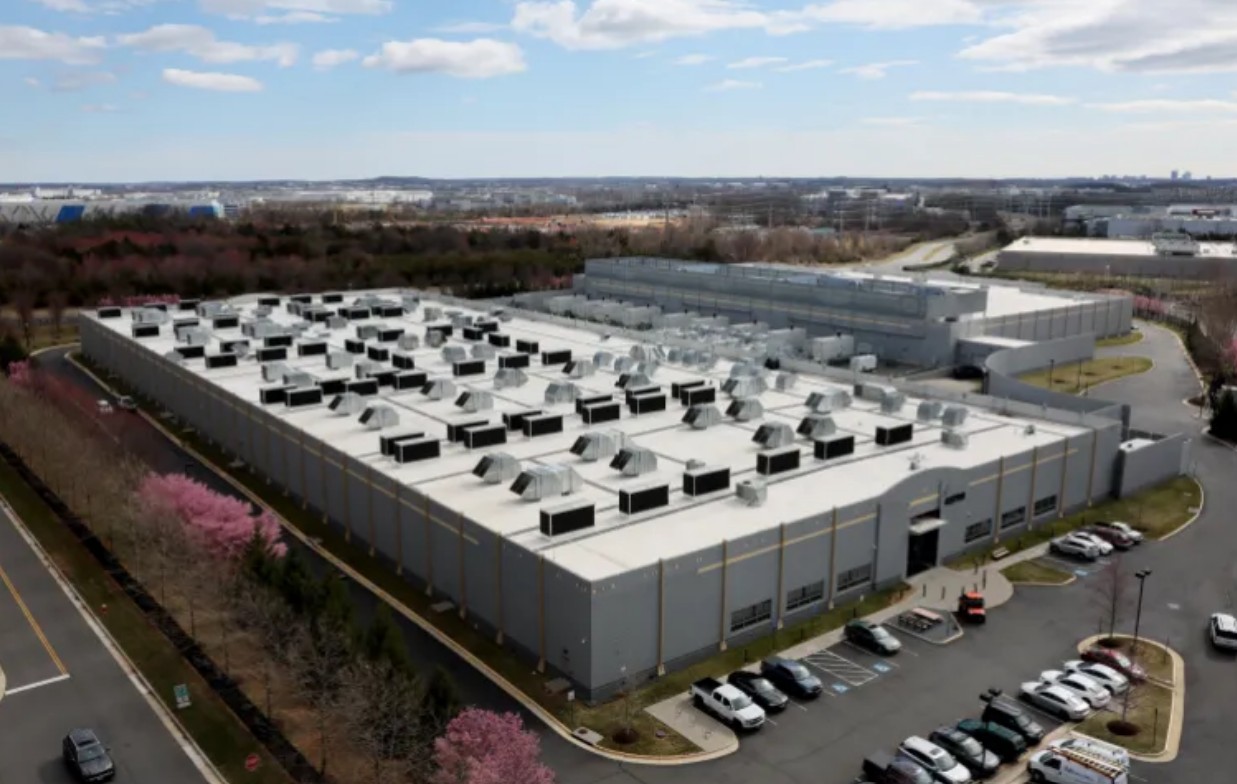
XPeng implements the strategy of “in Europe, for Europe.” The company has a research and development center in Munich. It is responsible for product development, user service, and creating the charging ecosystem. To comply with GDPR and other regulatory requirements, XPeng has created a data processing center in Europe. Information is stored there and models are trained locally.
Currently, XPeng’s global sales have exceeded 1.2 million vehicles. The company is represented in 65 countries and regions. The number of European users exceeds 60,000. In the first quarter of 2026, XPeng sold about 7,300 vehicles in Europe.
According to plans, from 2027, XPeng will begin gradual delivery of NGP to global customers. The company is promoting its high-level driver assistance system abroad. He Xiaopeng stated: he expects to obtain European regulatory approval in 2027. He “very much looks forward to competing directly with the world’s leading intelligent driver assistance systems.”