LONDON(Realist English) . On October 9, global markets received a brief respite after two days of sell-offs. Oil retreated slightly, bond yields declined, and stock futures pointed to a recovery. However, fundamental risks — the conflict with Iran, attacks on vessels in the Strait of Hormuz, and the debt crisis in France — have not gone away.
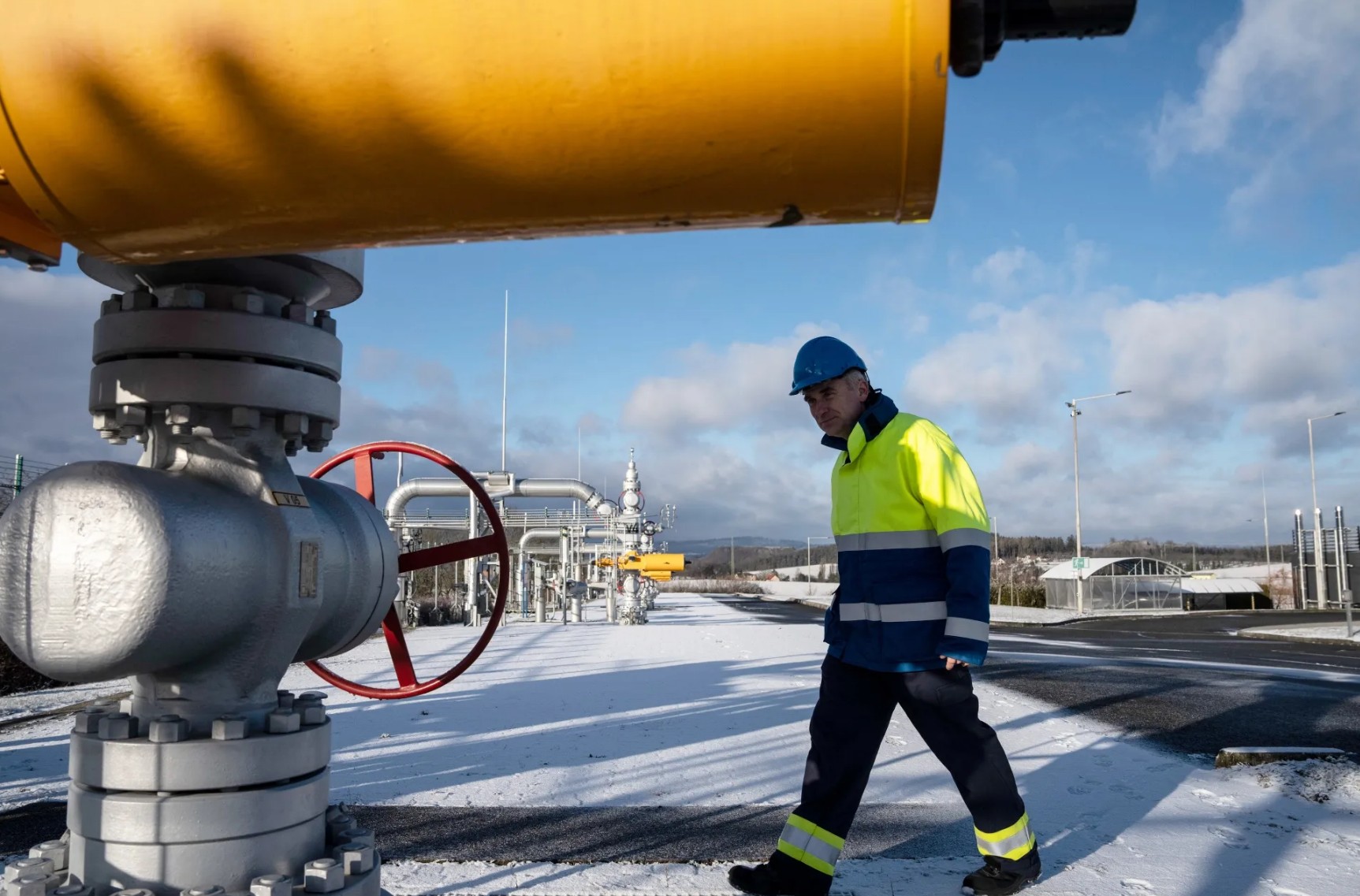
What happened with oil
Brent, which had jumped about 4% the day before, retreated about 1% on Friday — to $103 per barrel. US WTI also declined, trading near $91.
The retreat followed after the US denied reports of possible strikes on Iran before the November midterm elections. Washington called the talks with Tehran “productive.” However, the market is in no hurry to relax: attacks on vessels in the Strait of Hormuz, the American blockade, and Saudi Arabia’s counteroffensive in Yemen keep supply risks alive.
Kpler data shows: oil exports from the Middle East (excluding Iran) last week exceeded pre-war levels for the first time since the war began. About 40% of supplies now go around Hormuz — through pipelines in Saudi Arabia and the UAE. This gives the market some confidence, although experts emphasize: the situation is “far from normal.”
Bonds: respite after the sell-off
The yield on 10-year US Treasuries fell to 5.23% from 5.24% the day before. This came after a strong auction of 30-year bonds: demand covered supply by 2.54 times. This is above the average half-year figure.
The decline in yields provides relief to markets for which the cost of borrowing remains a critical factor. Analysts note: high rates are “like sand in the gears” of the stock market. Even a small respite is perceived as a signal.
In France, the yield on 10-year bonds also retreated — from 4.86% to 4.75%. This is temporary relief for a market that remains at the center of the European debt crisis. ING analysts expect: the spread between French and German bonds will remain high until the presidential elections in April–May 2027.
Stock markets: an attempt at recovery
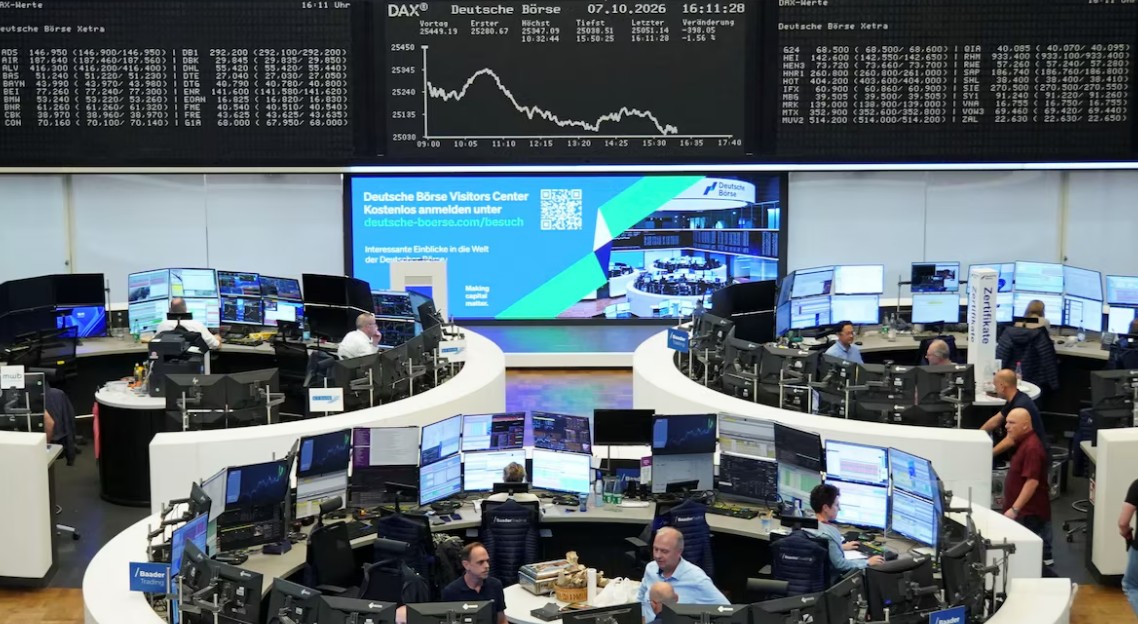
European futures pointed to growth: Eurostoxx +0.6%, S&P 500 +0.3%, Nasdaq +0.6%. This is an attempt to recoup part of the losses after two sessions of decline.
However, Asian markets remained under pressure. Nikkei lost more than 1%, MSCI Asia Pacific ex-Japan declined 0.16%. The main blow fell on the technology sector. A report that OpenAI’s revenue at the current pace is $20 billion below previously stated targets intensified investors’ doubts about the justification of AI capital expenditures.
Pepperstone analysts note: the market is becoming “more selective” regarding AI assets. It evaluates not only growth but also the price it is willing to pay for future profit.
What this means
The respite in the markets is not a trend reversal but a pause. Oil remains above $100. Bond yields are near multi-year highs. France is a source of debt instability. The market gets a brief opportunity to catch its breath. But triggers for a new round of volatility remain: escalation with Iran, Treasury auctions, and earnings reports from technology giants.
Will the retreat in oil give markets a sustained respite? Or is this just a short pause before a new round of tension?