RIYADH (Realist English). Houthis launched a missile strike on King Khalid International Airport in Riyadh. At least 12 people were killed, 309 wounded. Trump called the attack “unacceptable” and said the US “possibly” would join a military operation against the Houthis.
The attack itself: third strike in a week
The attack occurred on October 10 in the afternoon. Missiles hit the area of terminals 3 and 4. An explosion occurred in the airport building, and passengers were urgently evacuated. Saudi Arabia’s Civil Aviation Authority confirmed: among the 12 dead is one US citizen. The rest are citizens of Saudi Arabia, Bangladesh, Egypt, Jordan, Syria, Palestine, and Sudan. The number of wounded reached 309.
This is the third strike on Riyadh airport in a week. Previous attacks on October 5 and 7 killed 6 people and wounded at least 36. The Houthis openly claimed responsibility for the latest strike. Houthi spokesman Yahya Saree stated: ballistic missiles “successfully hit their targets.”
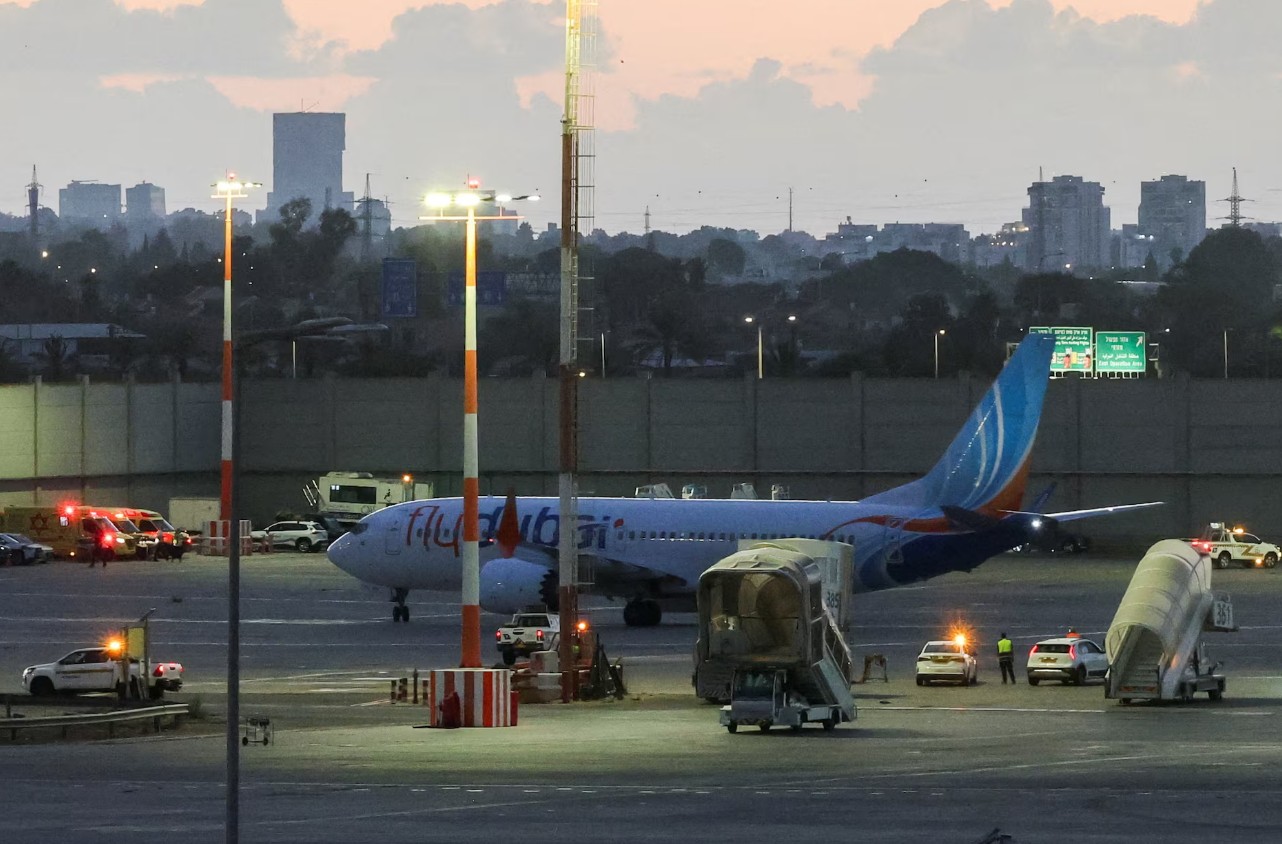
The attack led to the suspension of flights to Riyadh by several airlines. Kuwait Airways canceled all flights in both directions. Etihad extended its suspension of flights until October 12. Qatar Airways also canceled several flights. According to Flightradar24, after the attack there were no takeoffs or landings at Riyadh airport for some time. Only one helicopter remained in the air.
Trump’s statement: from “refusal” to “possibly”
On October 10, Trump told journalists at the White House: “Possibly. We’ll see. We just learned about this latest attack, so we’ll make a decision. We act very quickly.”
He also said Saudi Arabia is “capable of defending itself,” and Saudis are “excellent warriors.” But he emphasized: “This attack is terrible.” Trump said he plans to speak with Crown Prince Mohammed bin Salman.
This statement sharply contrasts with the position of a month ago. According to US media, in September the Crown Prince twice called Trump requesting direct strikes on the Houthis. Both times he was refused. At that time, Washington limited itself to sharing intelligence and targeting.
Deep-seated constraints for the US
Washington’s previous refusal was not accidental. The defense of Saudi Arabia is not among the current strategic priorities of the US. The main tasks of the Trump administration are concentrated on the Iranian front and ensuring navigation in the Strait of Hormuz. Opening a second high-intensity line in Yemen is undesirable.
American military resources are already significantly engaged in operations against Iran. Ammunition stockpiles are seriously depleted and have not yet been replenished. In addition, the US has avoided direct conflict with the Houthis. In September, Trump stated: the Houthis agreed not to fight the US.
US Central Command is also restrained regarding direct strikes on the Houthis. It fears that a Yemen operation would distract attention from Iran.
Saudi Arabia’s position and regional consequences
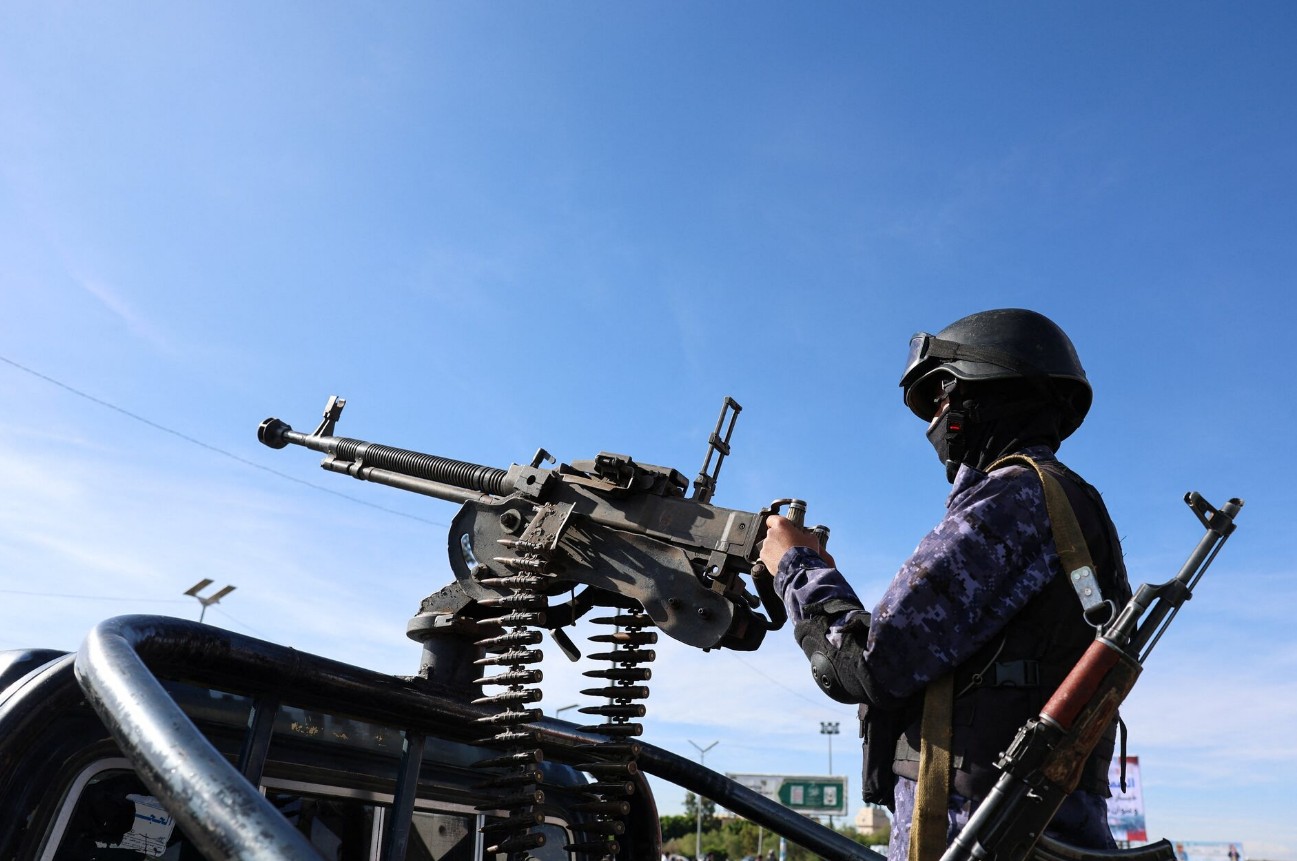
Saudi Arabia is facing unprecedented security pressure. In recent months, the Houthis have occupied several strategic points on the Red Sea coast. They have begun systematic missile strikes on targets deep inside Saudi territory.
Saudi Arabia has turned to other countries for support. Turkish Foreign Minister Hakan Fidan stated: Turkey and Pakistan are considering providing Saudi Arabia with air defense, electronic warfare means, and technical support.
But participation in offensive operations is excluded. According to other reports, the transitional government of Syria is considering sending troops to Yemen to fight the Houthis.
Notably: the attack occurred against the backdrop of a sharp rise in the strategic importance of the Red Sea route. After the blocking of the Strait of Hormuz due to the US-Iranian war, the Red Sea and the Bab-el-Mandeb Strait became a key alternative channel for energy exports from the Persian Gulf. Houthi strikes on Saudi airports directly threaten the security of this route.
Reactions of the parties
UN Secretary-General António Guterres condemned the attack and called for an end to strikes on civilian infrastructure. UN Special Envoy for Yemen Grundberg called it a “serious escalation.”
US Secretary of State Marco Rubio confirmed: among the dead is a US citizen. He called the attack “a flagrant disregard for the lives of innocent civilians.” “This must stop immediately,” he stated.
The Houthis after the attack expressed readiness for “mutual restraint.” They proposed excluding airports, ports, and other humanitarian facilities from the zone of military operations.
Assessment of prospects
Whether Trump’s statement about “possible participation” turns into real action depends on several variables. Whether Saudi Arabia can stabilize the situation in the coming days. Whether the Houthis will continue attacks on civilian targets. Whether resource pressure on the US on the Iranian front will ease.
Historical context: in March 2025, Trump already ordered large-scale airstrikes on the Houthis. They continued for several weeks. In May, a ceasefire was reached through Omani mediation. The current situation differs in that the US is simultaneously deeply involved in the Iranian campaign. The cost and risk of opening a second front are significantly higher.