WASHINGTON(Realist English) . The US Bureau of Labor Statistics will publish its September Consumer Price Index report on October 14. Overall CPI is expected to rise 0.6% compared to the previous month. This is the largest increase in five months. The cause is higher gasoline prices.
Market expectations
According to the median forecast of economists surveyed by Bloomberg, overall CPI in September will rise 0.6%. In August, the increase was 0.4%. In annual terms, growth will accelerate to approximately 3.7%. In August, it was 3.4%. Core inflation, excluding food and energy, will rise only 0.2% for the month. In annual terms — to 2.5%.
Gasoline is the main driver
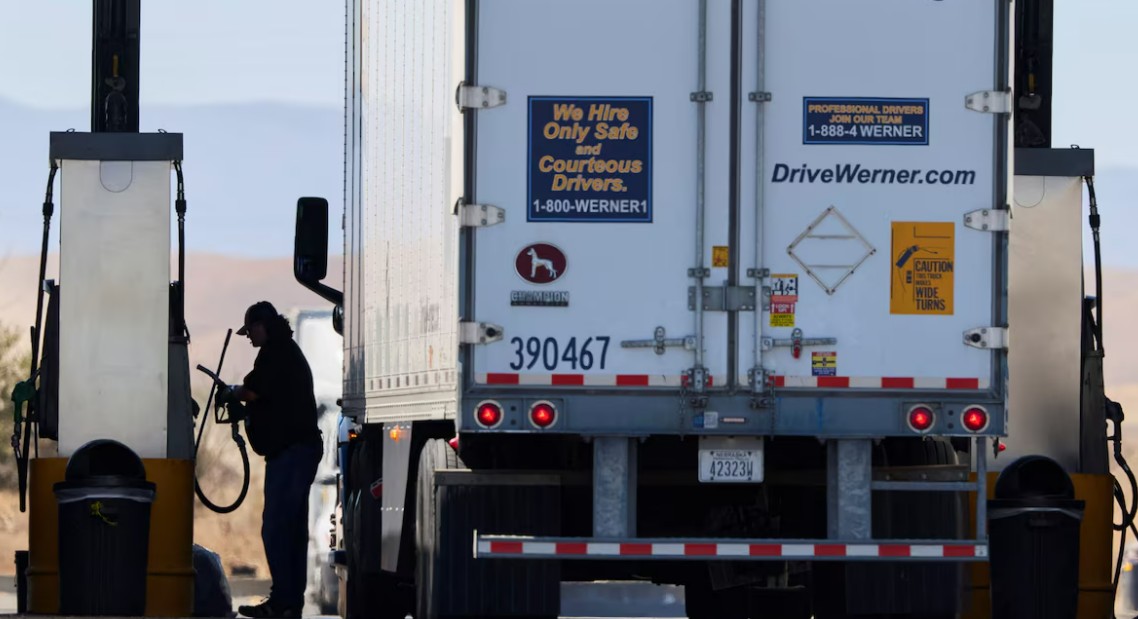
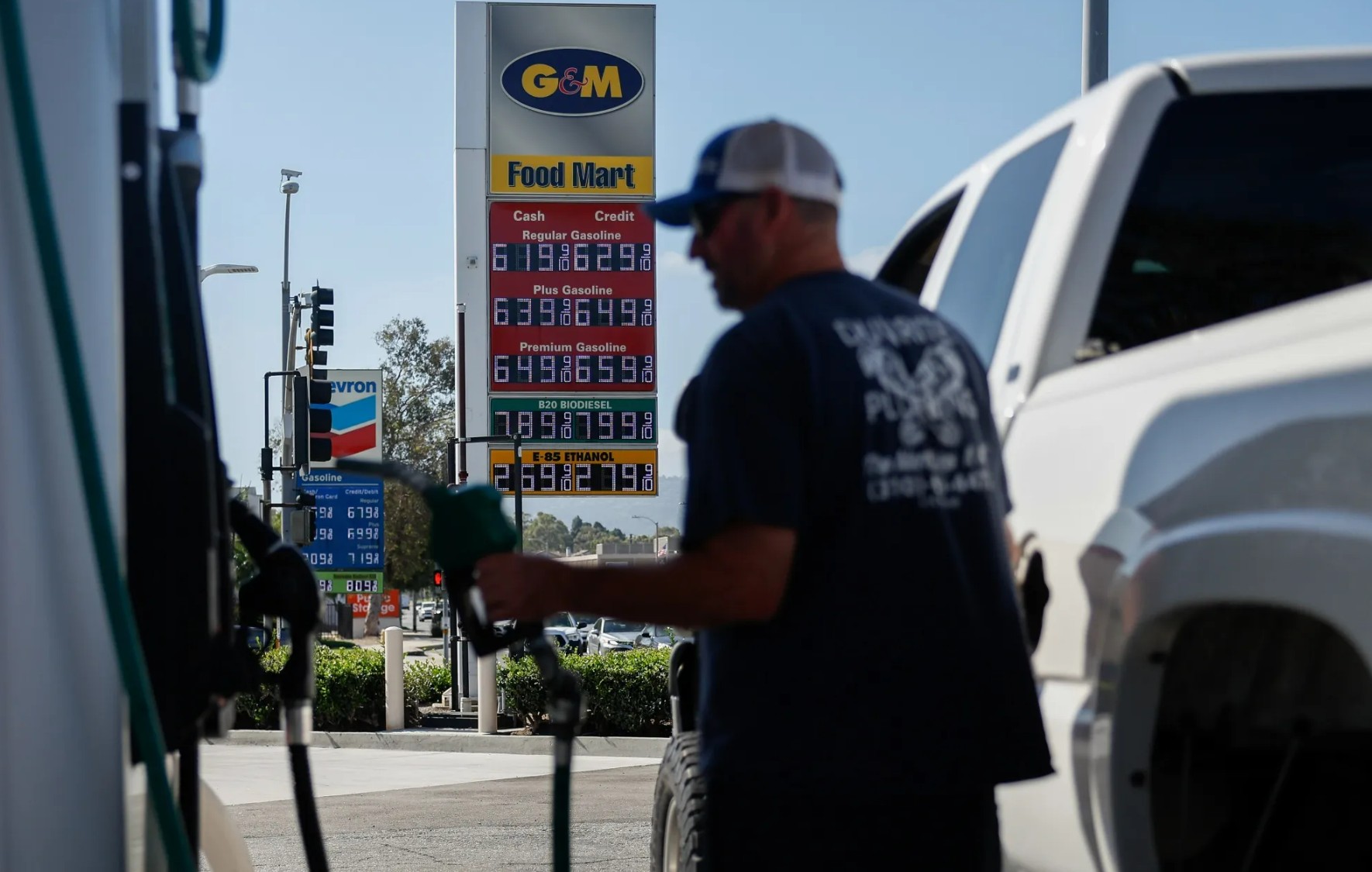
Energy is the key factor in the new surge of inflation. According to the US Energy Information Administration, the average price of gasoline rose from about $4.30 per gallon at the beginning of September to more than $4.60 by the end of the month. This is almost 40% higher than a year earlier. At that time, the price was $3.30.
The increase is directly linked to the impact of the war with Iran on global oil supplies. The blocking of shipping in the Strait of Hormuz continues to push prices up. The average Brent price in September was about $114 per barrel. This is significantly higher than the 2025 annual average of $69. The EIA forecasts an average Brent price in the fourth quarter of $105 per barrel. This is $14 above the previous forecast.
Core inflation: still moderate
Although overall inflation rose sharply due to energy, core inflation is expected to remain relatively moderate. RBC economists note: core inflation for the month will be +0.2%. In annual terms, it may rise from 2.4% to 2.5%.
However, pressure in the core goods segment is growing. RBC warns: prices for auto parts and equipment are rising due to tariffs. They are already beginning to pass through to prices for new and used cars. The risk of diesel price increases passing through the producer price index into core goods is “most direct.” According to RBC estimates, PPI in September will again rise 0.9%. Core PPI — 0.4%.
The Fed’s dilemma
The CPI report will put the Fed before a difficult choice. In September, the FOMC raised the rate by 25 basis points to 3.75–4.00%. This was the first time since July 2023. The dot plot suggests one more hike before the end of the year.
Arguments for continuing to hike. Inflation expectations are rising. A New York Fed survey showed: consumers expect inflation over the next year at 3.9%.
This is the highest since May 2023. Three-year expectations rose to 3.3%. Fed Board member Christopher Waller stated on October 8: the energy shock is a source of persistent price pressure. It “may require additional hikes.”
Arguments for a pause. The labor market has noticeably weakened. In September, the number of new non-farm jobs was only 29,000. Expected — 90,000. The unemployment rate rose to 4.2%.
Data for July and August were revised down by 60,000. Annual wage growth slowed to 3.0%. This is below CPI, which is 3.4%. Real incomes are falling. New York Fed President John Williams believes there is “no urgency” for further hikes.
What to watch
The core CPI figure will be more important than the headline number. If core inflation for the month exceeds 0.3%, this will strengthen expectations of further rate hikes. This could further raise government bond yields, already at multi-decade highs.
If core inflation remains at 0.2%, this will support the thesis that the energy shock is temporary. This will give the Fed space for a pause in October.