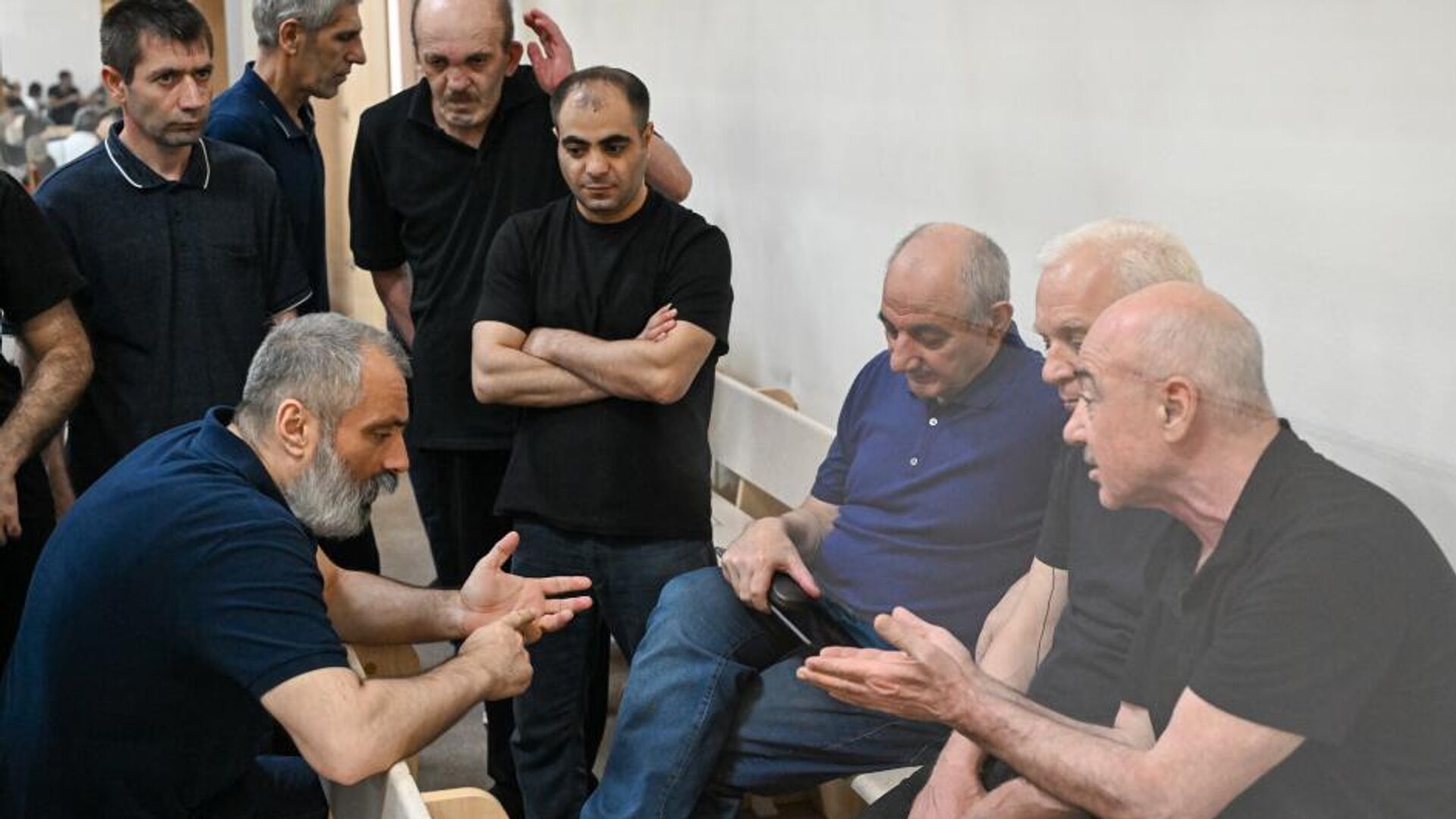
BAKU (Realist English). The Baku regime continues to cynically flout international law, illegally holding dozens of Armenian political prisoners. Despite the establishment of a formal peace, the Azerbaijani authorities are using prisoners and civilian hostages as an instrument of political pressure.
According to official data, Baku confirms the detention of only 33 Armenians, but Armenian human rights defenders and independent experts insist that the real number could be in the hundreds – at least another 80 Armenians are being illegally held in Azerbaijani prisons.
Recent developments: ECHR, appeals from the cell and inaction
On April 9, 2026, the European Court of Human Rights (ECHR) rejected another Azerbaijani appeal and again obliged the country’s authorities to provide information on the conditions of detention of Armenian political prisoners, as well as their latest medical records. The court set a deadline of August 31, 2026 for the submission of copies of the verdicts with judicial justifications.
On April 10, Armenian Foreign Minister Ararat Mirzoyan stated that the issue of prisoner release remains a priority. “These people must be released as soon as possible. Their release will only strengthen the established peace,” he stressed, noting that the situation is complicated by the cessation of activities of the International Committee of the Red Cross (ICRC) in Azerbaijan.
On April 21, from his cell in Baku, former Artsakh State Minister Ruben Vardanyan, sentenced to 20 years in prison, appealed to Armenian Ombudsman Anahit Manasyan to organise a visit to Baku to verify the conditions of detention of Armenian political prisoners. Vardanyan reported that the Azerbaijani ombudsman had expressed readiness to facilitate such a visit, and proposed that his wife Veronika Zonabend and relatives of other prisoners be included in the delegation. He criticised the official Yerevan for its lack of initiative and stressed that issues of life, health and the rights of prisoners are not part of the negotiating agenda with Baku.
However, already on April 22, Armenian Ombudsman Anahit Manasyan refused, citing a lack of authority to conduct monitoring visits outside the country. At the same time, she reaffirmed the position that all Armenians deprived of their liberty in Azerbaijan should be immediately released.
Show trials of the Artsakh leadership
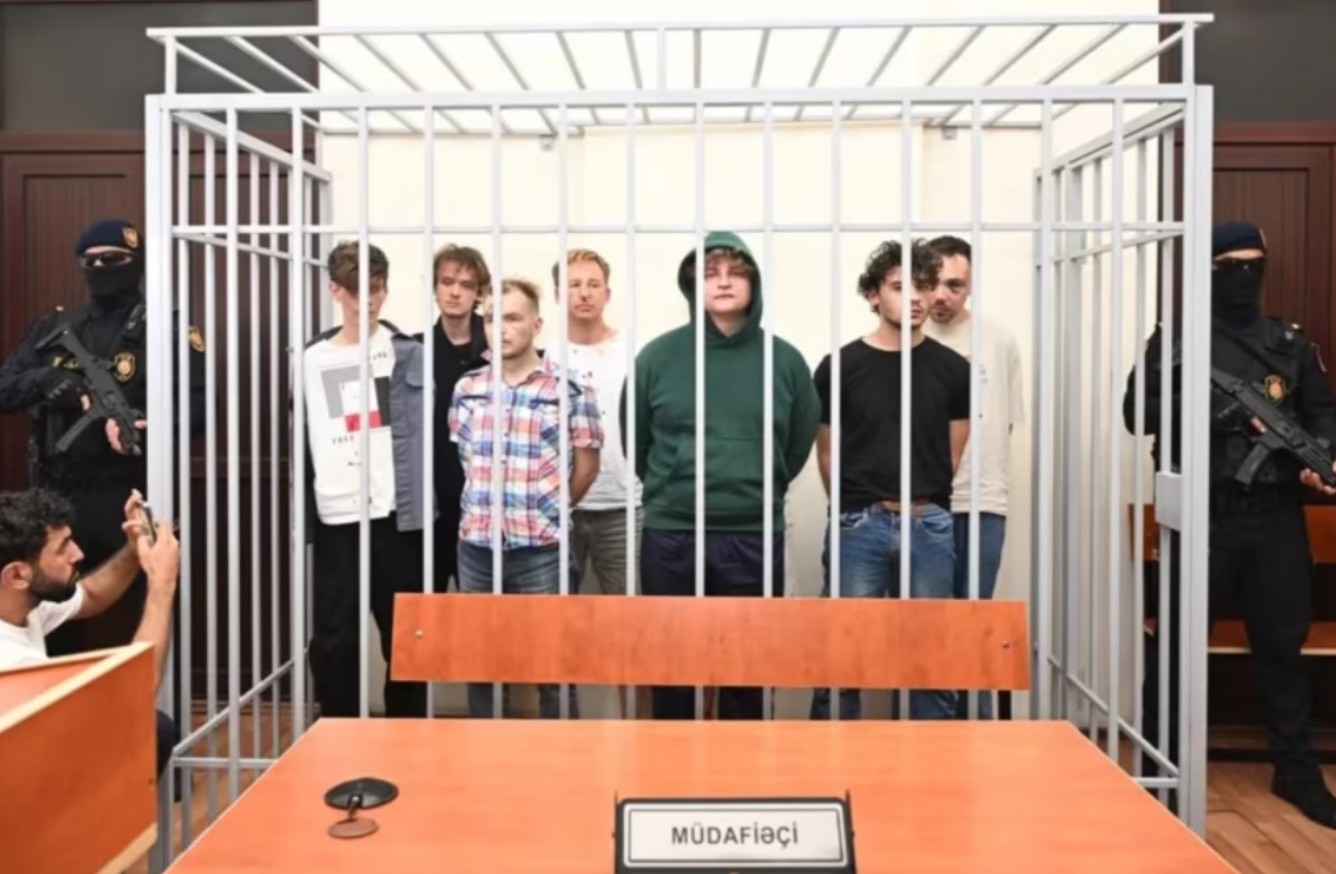
The fate of many political prisoners is being decided in openly fabricated, so‑called “show” trials held in Baku in gross violation of international legal norms. These trials are aimed not at establishing the truth, but at politically eliminating the legitimate military-political leadership of Nagorno‑Karabakh (the Republic of Artsakh), demoralising the people and legitimising the annexation of the region.
According to a European Parliament resolution and reports from international human rights organisations, Armenian hostages are being subjected to illegal detention, inhuman and degrading treatment, including the use of prohibited psychoactive methods. They are denied access to independent lawyers, interpreters and medical care, and are deprived of the opportunity to appeal their sentences and the right to family visits.
Sentences handed down by the Baku regime:
- Life sentences: former President of Artsakh Arayik Harutyunyan, former Commander of the Defence Army Levon Mnatsakanyan, former Deputy Commander of the Defence Army David Manukyan, former Chairman of the National Assembly David Ishkhanyan, former Minister of Foreign Affairs David Babayan.
- 20 years’ imprisonment: former Presidents Arkady Ghukasyan and Bako Sahakyan (due to age – Azerbaijani legislation does not provide for life sentences for persons over 65), as well as former State Minister Ruben Vardanyan.
- Other leaders and military personnel have received sentences ranging from 15 to 19 years: Madat Babayan, Melikset Pashayan, Garik Martirosyan, David Alaverdyan, Levon Babayan, Vasily Beglaryan, Gurgen Stepanyan, Edik Kazaryan.
The case of Ruben Vardanyan: from philanthropist to prisoner of conscience
The well‑known entrepreneur and philanthropist, who founded one of the largest charitable foundations in Russia, Ruben Vardanyan, was illegally detained by Azerbaijani special services on September 27, 2023 – immediately after the military aggression against Artsakh – and taken to Baku. He was charged with dozens of fabricated accusations: “terrorism”, “crimes against humanity”, “financing of terrorism” and others. The trial was held in a closed session, with gross violations of procedural norms.
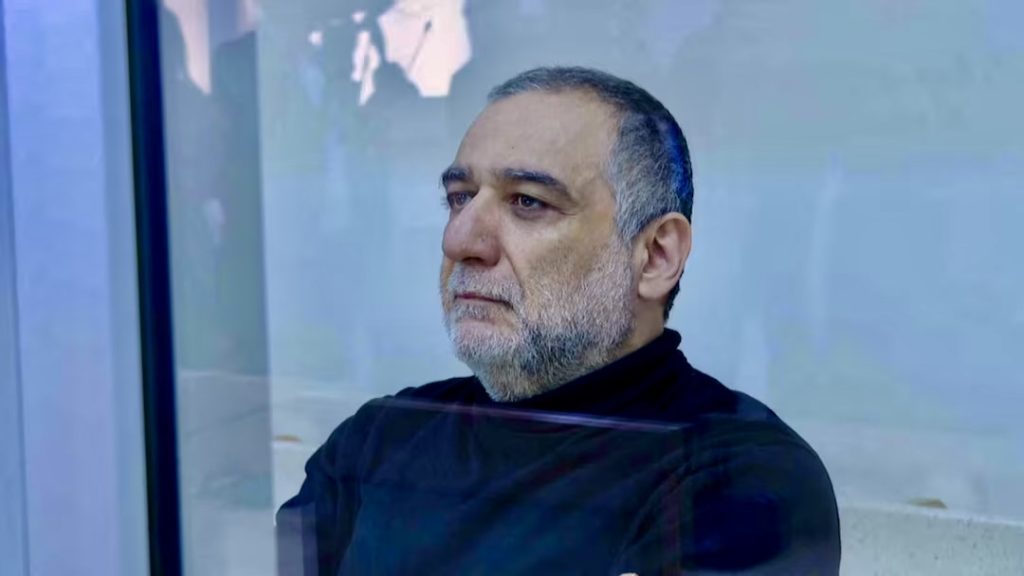
On February 17, 2026, a Baku court sentenced Vardanyan to 20 years in prison (the prosecutor had demanded life imprisonment). In the final stage of the trial, Vardanyan refused the services of a lawyer and delivered his closing speech himself, quoting poems by Azerbaijani classics and calling what was happening not a court, but a “tribunal”.
Amnesty International’s Director for Eastern Europe and Central Asia, Mary Struthers, called the verdict “a mockery of justice” and the “culmination” of the conviction of 16 defendants. According to the organisation, the charges were based on “evidence” presented in a language the defendants did not understand and which was not properly translated.
After the verdict was announced, Vardanyan decided not to appeal. A statement from his family stressed that this was “a conscious refusal to legitimise a process that from the very beginning showed no signs of justice.” It was noted that an appeal makes sense only where there is a possibility of correcting the errors of the court of first instance, but “when the violations are systemic, an appeal becomes another instrument for legitimising unlawful persecution.”
Violations of international law: the systemic nature of the crimes
Azerbaijan’s actions are not isolated incidents but a systematic policy that grossly violates a number of international treaties:
- Geneva Conventions on the Protection of Prisoners of War (1949) – refusal to grant prisoner‑of‑war status, denial of access to the ICRC (the office was closed at Baku’s request in 2025), and the organisation of show trials.
- International Covenant on Civil and Political Rights (1966) – the right to a fair and public hearing by an independent tribunal (Article 14) has been violated. Reports note that judges and prosecutors received instructions from the presidential administration.
- Convention against Torture (1984) – the European Parliament and human rights organisations have documented the use of torture and inhuman treatment of Armenian prisoners.
- International Court of Justice ruling of December 7, 2021 – Baku ignores the ruling obliging it to prevent incitement to racial hatred and acts of vandalism against Armenian cultural heritage.
Background: occupation of Artsakh and war crimes
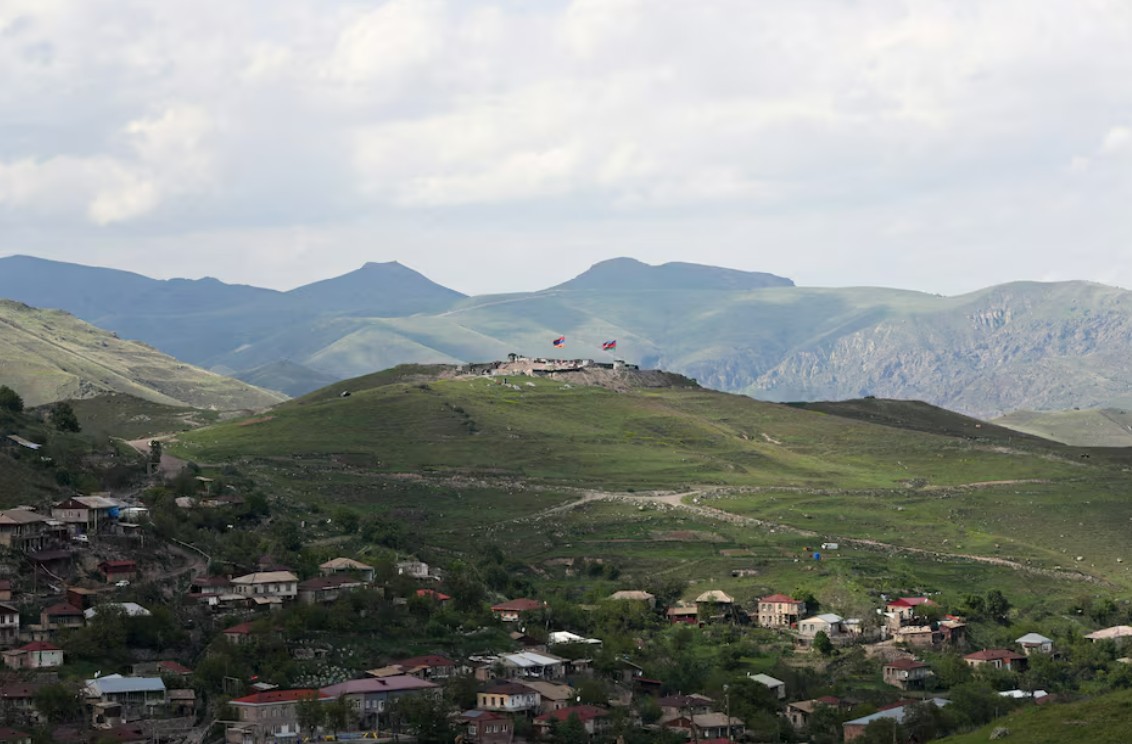
The root of these crimes lies in Baku’s aggressive policy aimed at annexing Nagorno‑Karabakh (the Republic of Artsakh). After the full‑scale aggression in September 2023, when Azerbaijani troops, with Turkey’s support, forced the unrecognised republic to capitulate, the mass deportation of the Armenian population followed. According to international organisations, more than 120,000 Armenians were forcibly expelled from their ancestral homeland.
This ethnic cleansing was the culmination of a long‑standing policy that includes:
- Mass killings of civilians and prisoners of war – cases of beheading of prisoners and executions of civilians, including an 80‑year‑old man, have been documented.
- Destruction of civilian infrastructure – about 19,000 facilities have been destroyed or damaged, and more than 150 civilians have been killed and wounded.
- Systematic destruction of Armenian cultural heritage – a targeted policy of “cultural genocide”:
- The Cathedral of the Intercession of the Holy Mother of God in Stepanakert was demolished by bulldozers.
- Dozens of Armenian churches and monasteries have been destroyed, including the Church of St. John the Baptist (Kanach Zham) in Shushi.
- Cemeteries in the villages of Avetaranots, Jraghatsner, Zardanashen, Madatashen and Sargsashen have been barbarically destroyed.
- Monuments to the Great Patriotic War and khachkars (Armenian cross‑stones) have been demolished, and Armenian toponymy is being erased.
Thus, the actions of the Baku regime constitute not simply human rights violations, but the systematic commission of the gravest international crimes – war crimes, crimes against humanity and acts of cultural genocide. The show trials of political prisoners are merely a screen designed to conceal this criminal policy and to intimidate those who still remember their right to return to their native land.