

AMSTERDAM (Realist English). European natural gas prices surged on Monday as intensifying conflict in the Middle East and a halt in Qatari LNG production rattled energy markets.
The benchmark Dutch TTF contract climbed by as much as 45% in early afternoon trading, reaching approximately €46 per megawatt-hour. UK gas prices followed a similar trajectory, with the NBP benchmark rising sharply alongside continental markets. Traders reported heightened volatility, with prices swinging significantly throughout the session.
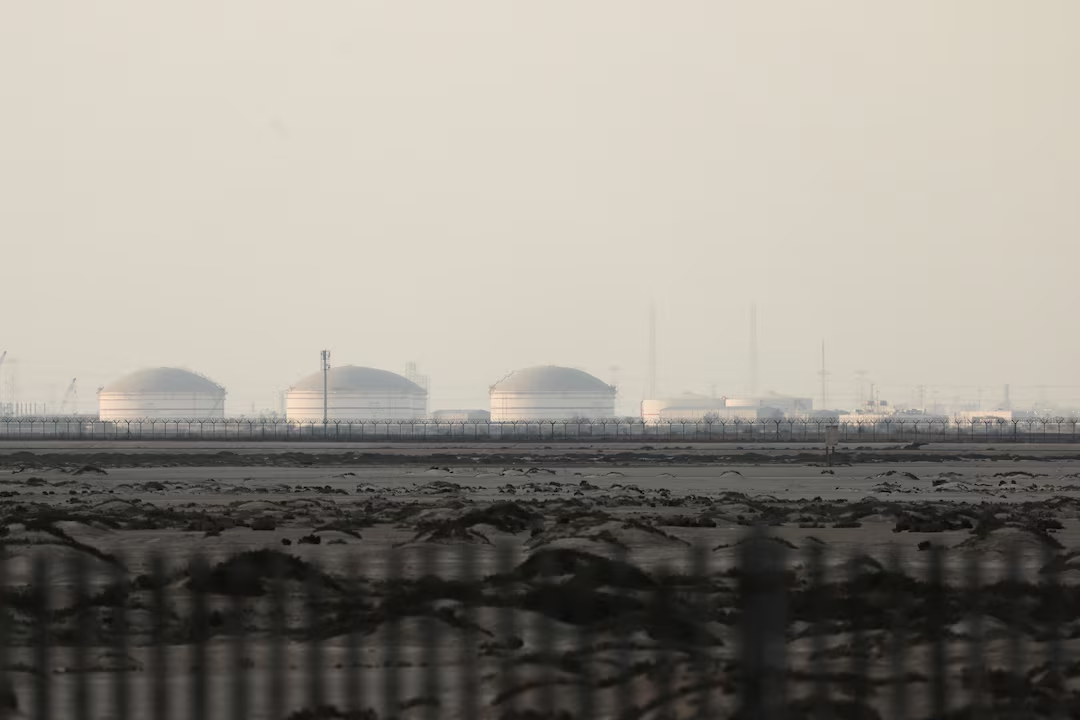
The spike came after US and Israeli strikes on Iran escalated tensions across a region central to global energy supply chains. QatarEnergy said it had suspended liquefied natural gas production linked to the massive North Field reservoir following an attack on facilities, though it did not provide details about the scale of the disruption.
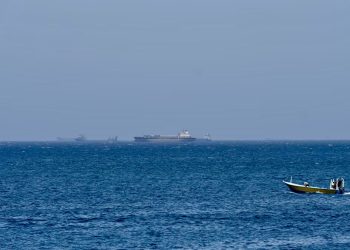
Energy markets are also closely monitoring the Strait of Hormuz, a critical maritime passage for oil and LNG shipments that is largely under Iranian control. Tehran has moved to restrict traffic through the strait in response to the strikes, raising concerns about potential supply interruptions.
Roughly 20% of global oil supply and a substantial share of seaborne crude trade pass through Hormuz. Satellite data indicated tanker movements slowed sharply over the weekend, as shipping companies adopted precautionary measures. Analysts say vessels are unlikely to resume normal transit until the military situation stabilizes, citing risks of damage, seizure and insurance complications.
Qatar supplies between 12% and 14% of Europe’s LNG imports. Although Europe is not primarily dependent on Qatari gas, indirect effects could prove significant. If Asian buyers face supply shortfalls, they may seek alternative cargoes, intensifying global competition for LNG and pushing prices higher across markets.
Qatar ranks as the world’s third-largest LNG exporter after the United States and Australia. Its importance to Europe has grown since 2022, when EU states reduced reliance on Russian pipeline gas following Moscow’s invasion of Ukraine.
Europe’s relatively low storage levels have compounded concerns. Gas storage across the EU stands below 30% of capacity as the winter season ends, compared with around 40% at the same time last year. Germany’s storage facilities are just over 20% full, while France’s stand near 21%, according to industry data.
Analysts warn that limited reserves leave European economies exposed to further price spikes if supply disruptions persist or global LNG markets tighten further in the weeks ahead.