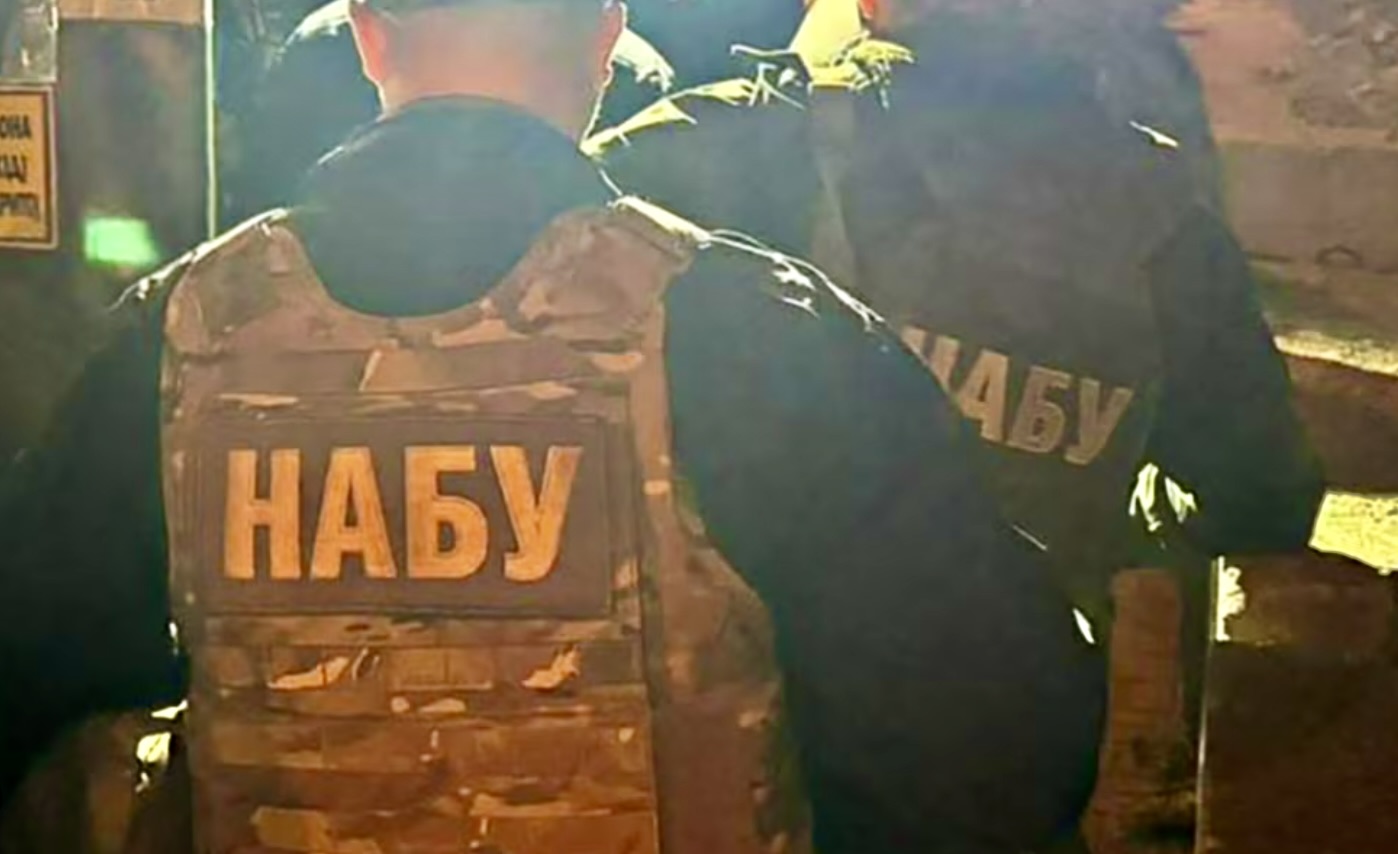
KYIV (Realist English). Ukrainian politics has found itself at the epicentre of two simultaneous crises. On 19 August, President Volodymyr Zelensky dismissed his deputy head of office, Iryna Mudra – on the same day that the National Anti‑Corruption Bureau of Ukraine (NABU) conducted raids on her residence as part of Operation “Forrest Gump.”
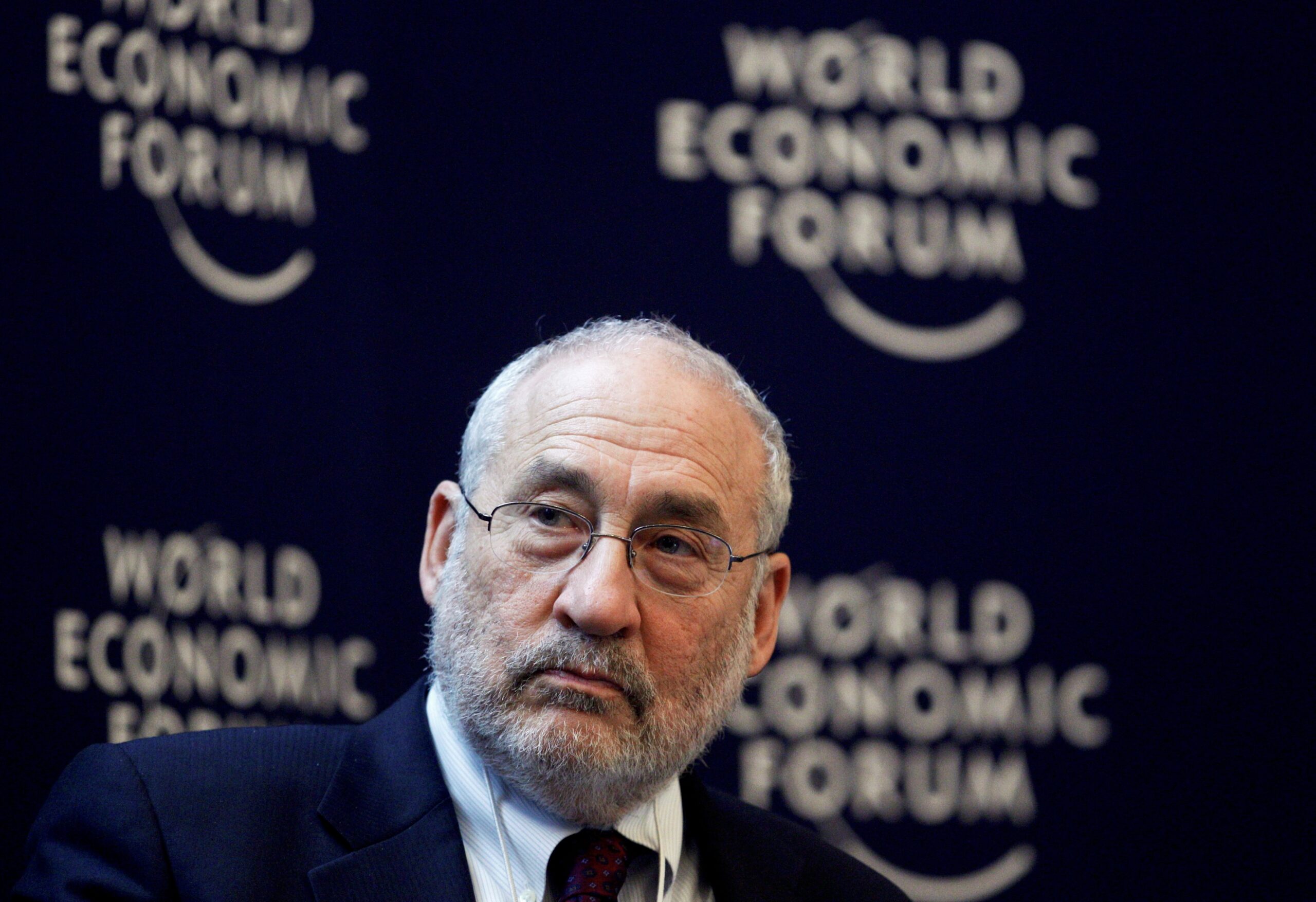
Just a day earlier, on 18 August, former Defence Minister Mykhailo Fedorov – whom Zelensky had dismissed a month earlier – demanded in a video address that elections be held despite martial law.
“Democracy cannot be a hostage to Russia,” said the 35‑year‑old Fedorov, who is considered the youngest minister in Ukraine’s history. He noted that Kyiv is fighting “precisely because it wants to remain a free European state.” However, Zelensky insists that elections are impossible while martial law, imposed following Russia’s invasion, remains in effect.
Operation ‘Forrest Gump’ and Mudra’s dismissal
On 19 August, Ukrainian anti‑corruption authorities announced an investigation into senior officials within the President’s Office. According to NABU and the Specialised Anti‑Corruption Prosecutor’s Office (SAPO), an investigation is underway into the activities of a criminal organisation that may have included current and former members of parliament, as well as senior officials from the presidential office and the leadership of a state bank.
As part of Operation “Forrest Gump,” searches were conducted at premises linked to Iryna Mudra and MP Vadym Stolar. Mudra, who was responsible for legal affairs and judicial reform in the President’s Office, was dismissed the same day. Although the anti‑corruption bodies did not name her in their statements, Ukrainian media confirmed the connection between the searches and her activities.
Stolar was elected to parliament from the pro‑Russian party “Opposition Platform – For Life,” which was banned after 2022, and now belongs to the “Restoration of Ukraine” group formed by former members of that party. As part of the investigation, NABU published excerpts from intercepted conversations mentioning the registration of assets in children’s names and references to the President’s Office.
This is not the first major scandal involving Zelensky. Last year, his chief of staff Andriy Yermak resigned and later became a defendant in a major corruption investigation in the construction sector, which posed the most serious threat to the government since the start of the war. Around the same time, a scandal involving embezzlement and kickbacks at the state nuclear company led to the resignations of the justice and energy ministers.
Fedorov’s dismissal and street protests
Zelensky dismissed Mykhailo Fedorov as defence minister in July 2026 – just six months after his appointment. The president explained this by citing the incompatibility of Fedorov’s work with that of the Commander‑in‑Chief of the Armed Forces of Ukraine, Oleksandr Syrskyi. However, Syrskyi himself was soon dismissed under pressure from protests.
Zelensky’s decision triggered multi‑day street protests in support of Fedorov – thousands of Ukrainians demanded his reinstatement. The protests continued for a month, regularly drawing several thousand people in Kyiv. As the BBC notes, Fedorov was a popular minister, regarded as an “energetic reformer who led the fight against corruption and used data to increase effectiveness at the front.”
The call for elections as a direct challenge
In his video address on 18 August, Fedorov said that Ukraine was facing a “systemic crisis of governance” and called for a “legal, safe and realistic mechanism” to restore the democratic process even amid a protracted war. He condemned corruption among officials, stating that it weakens Ukraine’s ability to fight.
Fedorov’s address came just hours after Zelensky submitted the candidacy of Yevhen Khmara to parliament as the new defence minister. Fedorov did not announce his own candidacy for the elections, but according to recent polls, he would comfortably defeat Zelensky in a second round of the presidential vote.
At the same time, Fedorov’s call provoked a mixed reaction. Even some critics of Zelensky point to the impossibility of holding elections during wartime. Zelensky’s term of office expired in May 2024, but Ukraine’s constitution prohibits elections during martial law.
Timeline of events
| Date | Event |
| May 2024 | Zelensky’s term expires |
| July 2026 | Fedorov dismissed as defence minister |
| July–August 2026 | Mass protests in support of Fedorov |
| 18 August 2026 | Fedorov demands elections |
| 19 August 2026 | NABU conducts raids, Zelensky dismisses Mudra |
Ukrainian politics is at a point of tension. The anti‑corruption investigation into Zelensky’s inner circle, the dismissal of his deputy and the open challenge from the former defence minister raise questions about the stability of the presidential chain of command.
As CNN notes, Fedorov’s statement was “the first such demand from a major Ukrainian political figure since the start of the full‑scale invasion in 2022.” The European Union has already cited deeply entrenched corruption as one of the main obstacles to Ukraine’s accession to the bloc. The question is whether Zelensky can keep the situation under control – or whether the country will enter a phase of new political crisis amid a continuing war.