TEHRAN (Realist English). Iran is finalising preparations for an unprecedented farewell ceremony for Supreme Leader Ali Khamenei, who was killed in a joint US-Israeli strike on February 28.
The funeral, which will be the largest state mourning in the history of the Islamic Republic, will take place from July 3 to 10 in Iran and Iraq. Up to 20 million people are expected to take part.
A ‘Referendum’ for the Islamic Republic
Iranian authorities view the multi-day ceremony not merely as a farewell to the leader, but as a demonstration of the regime’s unity and resilience in the face of war and international pressure.
“Mass participation in the funeral procession will be… another referendum for the Islamic Republic,” Ayatollah Mohammad Saidi, the imam-khatib of Qom, told state media.
As CNN notes, the scale of the mourning event is intended to send a signal to the world and to the regime’s enemies: the Islamic Republic has survived a war that brought it to the brink of existence and intends to immortalise its slain leader as a symbol of resilience.
Parliament Speaker Mohammad Bagher Ghalibaf, who is leading negotiations with the US, called the event “an epic feat that will show the world the greatness of the nation’s spirit.”
Logistics and Funeral Schedule
Authorities have mobilised one of the largest logistical apparatuses in the country’s history. State employees, universities, trade unions, firefighters, soldiers and volunteers have been deployed to organise the mourning events.
Funeral ceremony schedule:
- July 3: Official centralised ceremony with the participation of foreign delegations and heads of state in Tehran.
- July 4–5: Khamenei’s body will be displayed for farewell at the Mosalla complex in Tehran.
- July 6: Mourning procession through the main streets of Tehran.
- July 7: Ceremonies in Qom — the centre of Shia theology.
- July 8: Ceremonies in the holy cities of Najaf and Karbala in Iraq.
- July 10: Burial in Mashhad at the shrine of Imam Reza — one of the holiest sites for Shia Muslims.
Authorities have closed government offices and private businesses in Tehran for July 4–6. Many hotels have reduced prices by up to 50%; schools, mosques and sports complexes have been converted into accommodation for arriving pilgrims. Partial closure of airspace over Tehran has been in effect since July 3, with a full closure on July 6.
Between 15 and 20 million people are expected to take part in the processions.
International Participation and Diplomatic Pause
Iranian authorities expect delegations from about 100 countries. Among the participants are Pakistan’s Prime Minister Shehbaz Sharif, as well as officials from China, India, Russia, Afghanistan and the South Caucasus countries.
During the mourning period, Iran has suspended diplomatic negotiations, including with the US. Iranian negotiators have left Doha, where indirect consultations with the American side were taking place. Qatar, acting as a mediator, had previously reported “positive progress” in these talks.
Warnings to the US and Israel
Amid funeral preparations, Tehran has warned the US and Israel against any military actions during the mourning ceremonies.
Commander of the Khatam al-Anbiya Central Headquarters of Iran’s Armed Forces, General Ali Abdollahi, stated that any “erroneous action” by adversaries would be met with a “decisive response.”
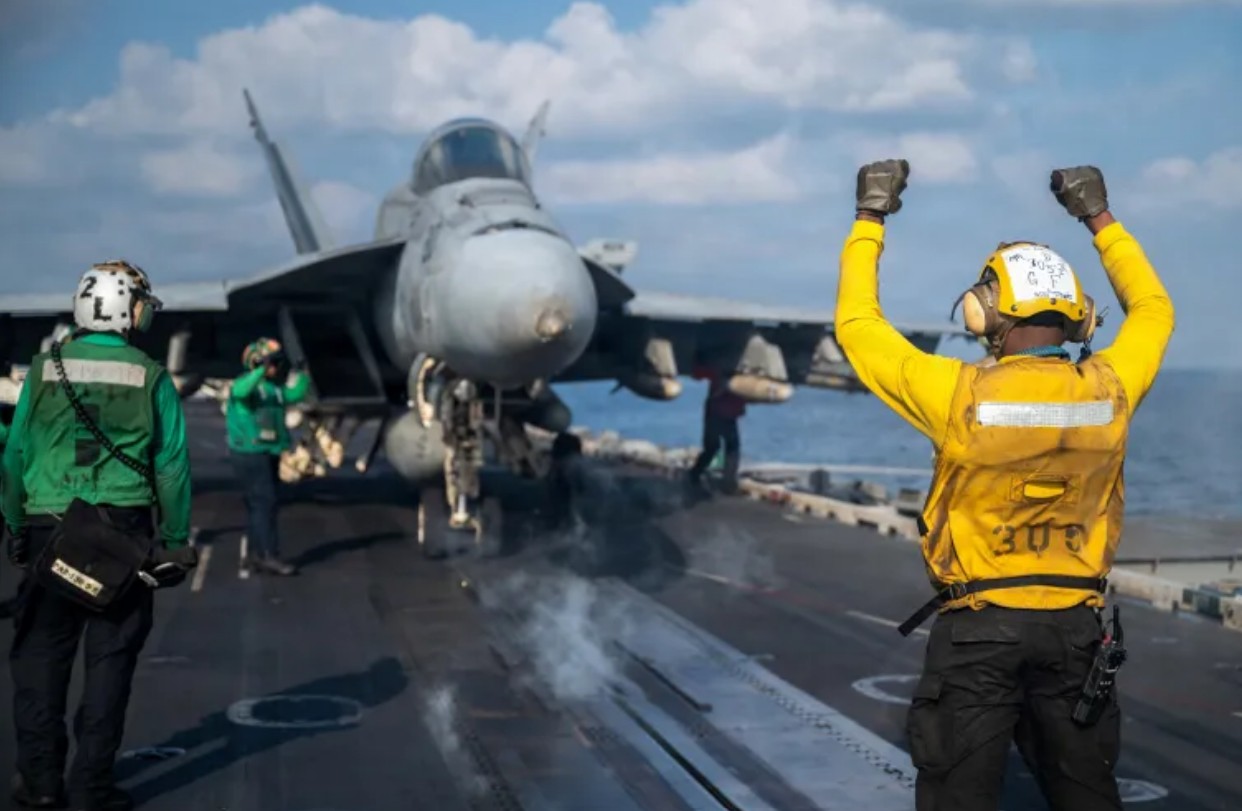
Iran’s army also warned vessels to follow routes designated by Tehran when passing through the Strait of Hormuz. The Pentagon, for its part, announced the deployment of a second US Marine division to the region, comprising more than 2,000 personnel.
Public Debut of the New Leader?
The central intrigue of the funeral is the possible appearance of Iran’s new Supreme Leader Mojtaba Khamenei, the son of the slain ayatollah. Mojtaba was seriously wounded in the same strike that killed his father.
He has not appeared in public since, communicating with supporters only through written statements. According to Iranian media, it is he who will lead the farewell ceremonies. His appearance would be a landmark moment for consolidating the new leader’s legitimacy.
Ali Khamenei, who had held the post of Supreme Leader for 37 years, was killed at the age of 86 in a strike on his residence in central Tehran. His funeral will be the second state burial of a supreme leader in the history of the Islamic Republic, following the funeral of Ayatollah Khomeini in 1989.
As Reuters notes, behind the facade of unity lies the fatigue of many Iranians with decades of sanctions and repression. Nevertheless, the authorities are doing everything to turn this funeral into a demonstration of the nation’s strength and unity.