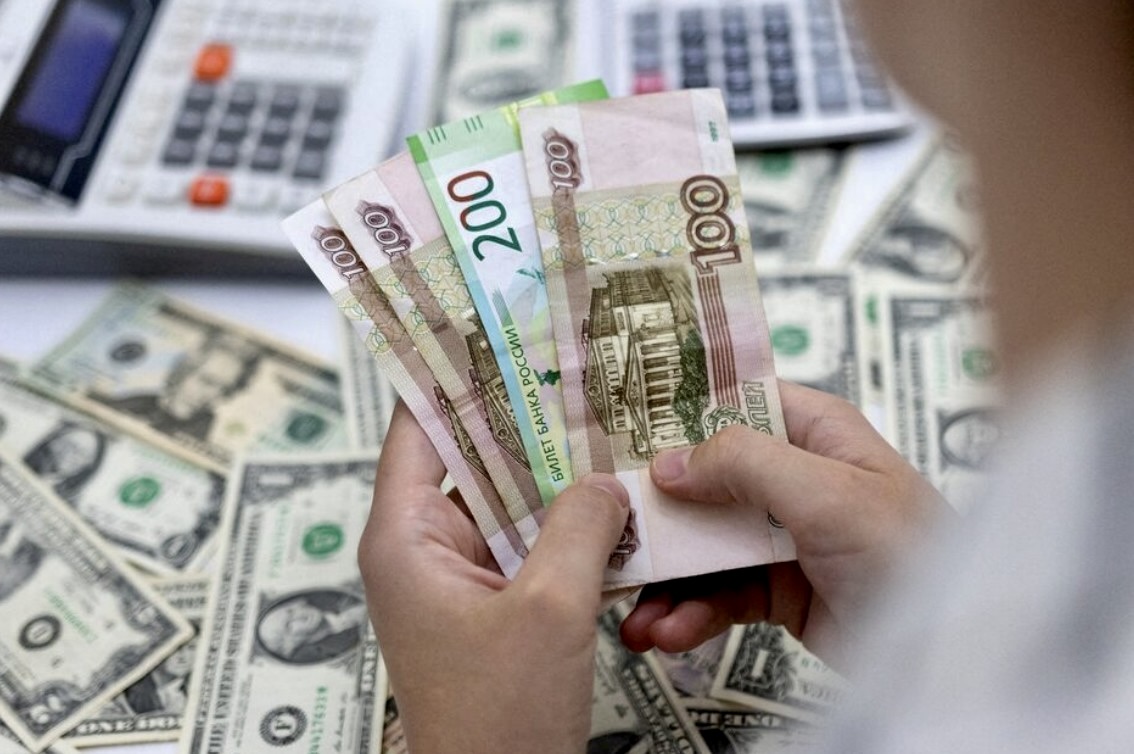
MOSCOW (Realist English). August 2026 has become a month of sustained weakening for the Russian ruble. Since 1 August, the dollar has risen from 79.4 to 83.8 roubles, and on 14 August, during trading, it exceeded the 85‑rouble mark for the first time in five months.
The Central Bank’s official exchange rate for 15 August stood at 84.54 roubles per dollar and 97.51 roubles per euro – the highest levels since March.
Experts attribute the ruble’s weakening to a combination of factors: a seasonal decline in export revenues, a recovery in importer demand, increased currency purchases by the Finance Ministry under the budget rule, and geopolitical uncertainty.
Central Bank policy: rate maintained, interventions continue
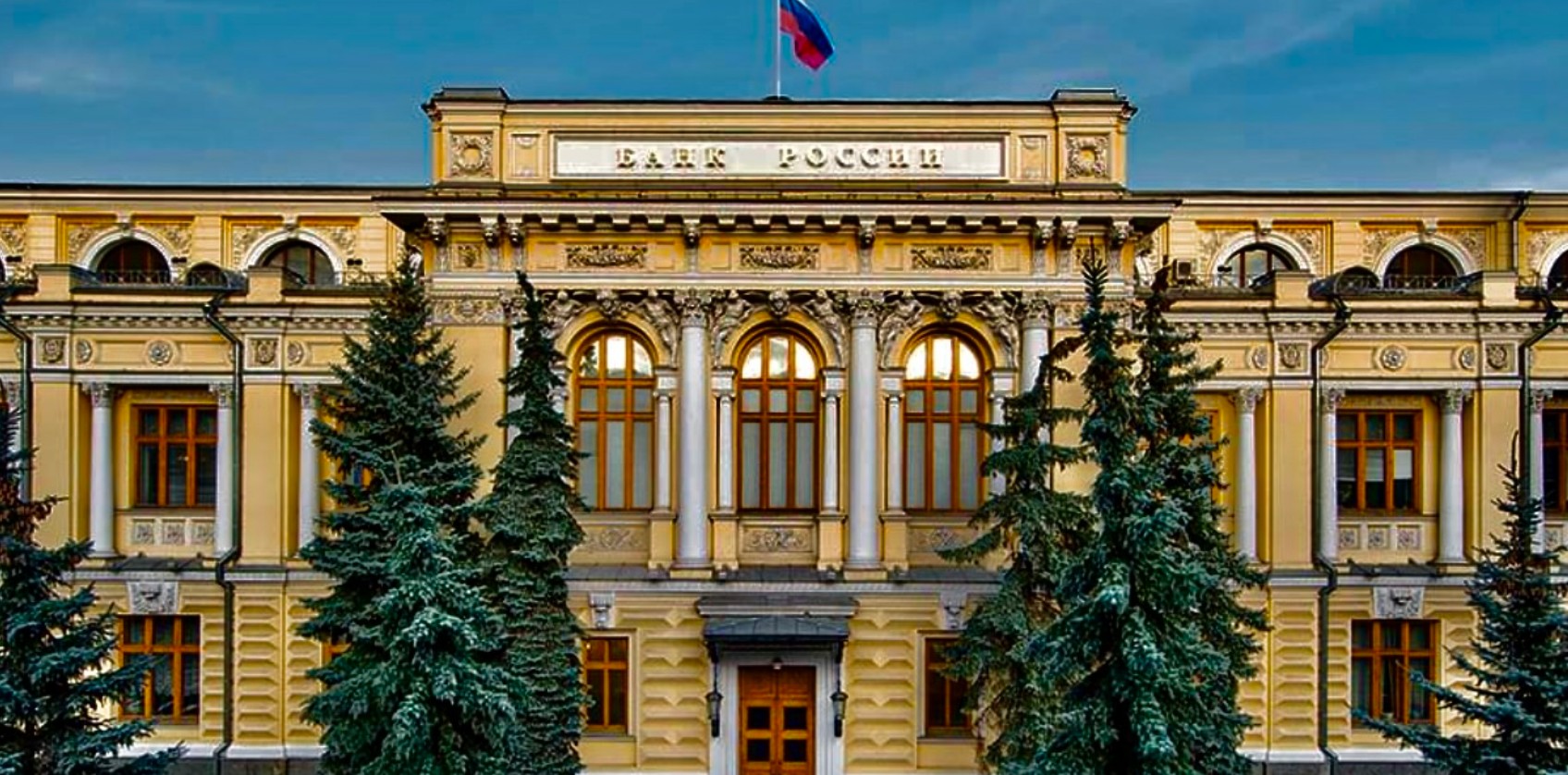
The Bank of Russia’s key rate has remained at 14% per annum since 3 August 2026. The decision to cut it by 25 basis points from 14.25% to 14% was taken on 24 July – contrary to analyst expectations of a rate hold.
In its baseline scenario, the Central Bank forecasts an average key rate in the range of 14.5–14.6% in 2026 and 10.5–12.5% in 2027. As Economic Development Minister Maxim Reshetnikov noted, the regulator is pursuing a “consistent policy of carefully reducing the interest rate.”
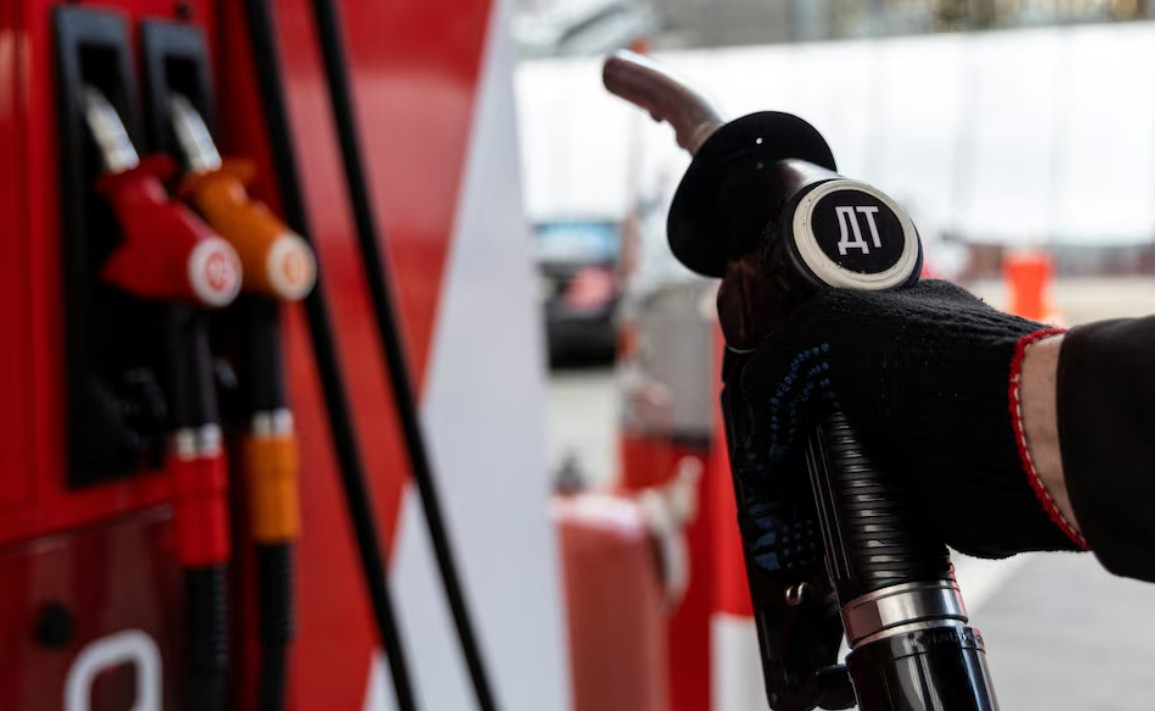
Currency interventions. The Central Bank continues to sell currency daily under the budget rule – 580 million roubles per day. At the same time, from 7 August to 4 September, the Finance Ministry plans to purchase currency and gold worth 136.17 billion roubles (6.5 billion roubles per day), which is 20% more than July’s volume.
Taking into account the Central Bank’s adjustment (selling 580 million roubles per day), the net daily purchase of currency on the market will amount to 5.92 billion roubles. On 13 August, the Central Bank purchased yuan on the domestic market worth 6 billion roubles.
August dynamics: from 79.4 to 85 roubles
The ruble’s weakening has been ongoing for several weeks. Since 1 August alone, the dollar has risen from 79.4 to 83.8 roubles, and on 14 August, during trading, it exceeded the 85‑rouble mark for the first time in approximately five months.
The Central Bank’s official exchange rates for 15–17 August:
| Currency | Rate | Change |
| US Dollar | 84.5449 RUB | +0.7391 RUB |
| Euro | 97.5141 RUB | +0.7603 RUB |
The real effective exchange rate index of the rouble against a basket of major trading partners’ currencies fell by 4.7% in July compared to June.
Expert opinions: 80–85 range and risks of a move to 90
Analysts’ forecasts for the rouble’s August trajectory vary widely, reflecting high uncertainty.
| Expert / Organisation | August Forecast | Key Thesis |
| Yan Art (Central Bank Expert Council) | 80–83 RUB/USD | No sharp weakening; rouble will stabilise in this range |
| Guzel Protsenko (Alfa-Forex) | 80–85 RUB/USD | Pressure persists, but no sharp collapse expected |
| Fedor Chizhov (SberInvestments) | Up to 85 RUB/USD | Increased Finance Ministry purchases weigh on the rouble |
| PSB | 82 RUB/USD | Increased currency purchases at 4–5% of turnover will not have a significant impact |
| Sinara Investment Bank | 79–81 RUB/USD | Weakening linked to falling oil prices |
| Veles Capital | 78.7 RUB/USD (forecast missed) | Actual values have already exceeded the target |
Risks and prospects
As analysts note, several factors are working against the rouble: exporters are selling less foreign currency earnings, importer demand has recovered, the Finance Ministry has increased currency purchases under the budget rule, and the key rate cut has reduced the attractiveness of rouble‑denominated investments.
At the same time, most experts do not see a sharp collapse of the rouble as the baseline scenario. Analysts consider the 80–85 rouble range as the new working corridor, with a move towards 90 requiring an additional shock.
“After a prolonged weakening, a noticeable rebound cannot be ruled out. The upward movement of the euro and dollar against the rouble should not be viewed as a guaranteed sustainable trend: high uncertainty persists at least until the start of the fourth quarter,” Protsenko concluded.