CARACAS (Realist English). On 11 August, Israel and Venezuela announced the restoration of consular relations, 17 years after breaking off diplomatic ties. The announcements were made by the foreign ministers of both countries – Gideon Saar and Félix Plasencia González.
The agreement provides for the creation of a coordination mechanism that will allow consular services to be provided to citizens of both states residing in the other country.
Full diplomatic relations and the opening of embassies have not yet been restored. As The Jerusalem Post notes, this is a “decisive first step”: an exchange of diplomatic notes, the resumption of consular relations and the opening of consulates‑general in both capitals.
Reasons and prerequisites for rapprochement
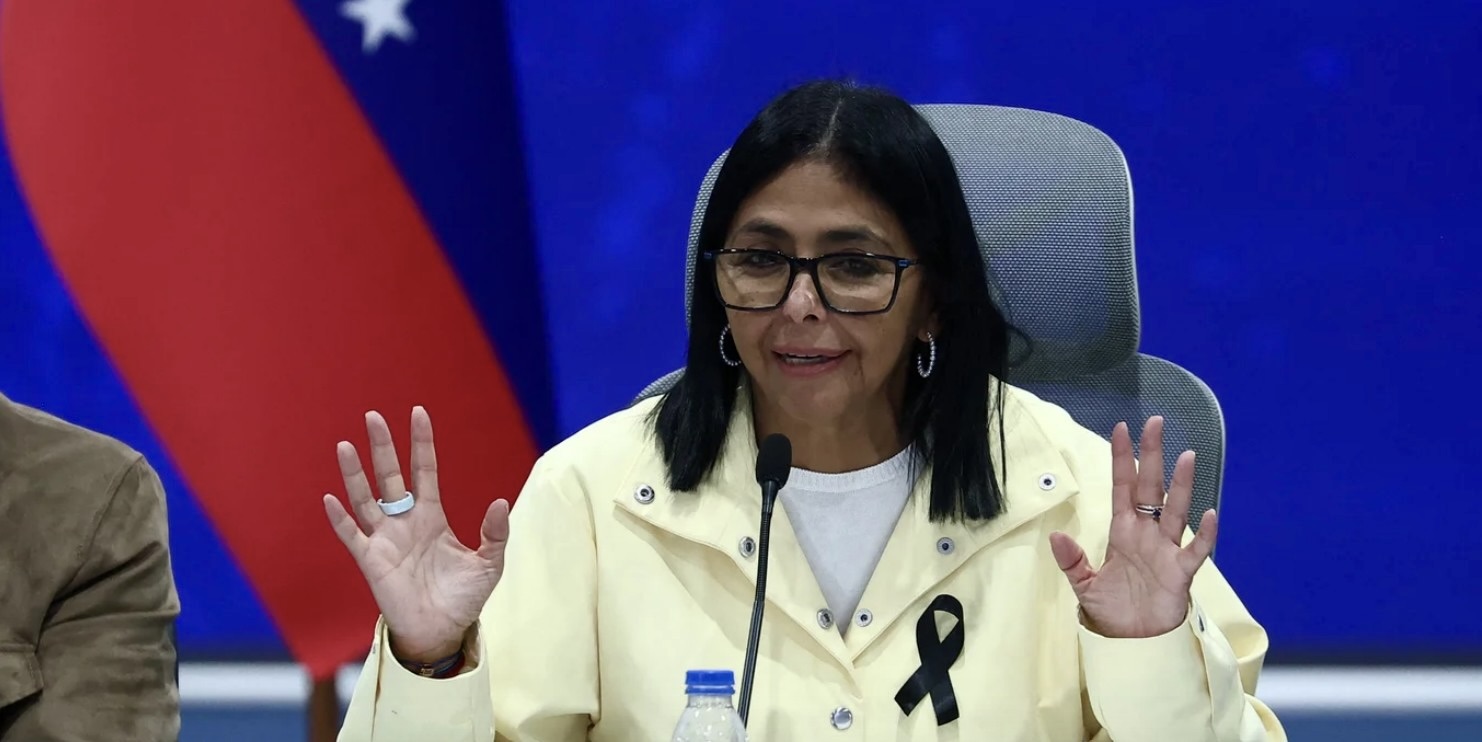
The key factor that changed the geopolitical landscape was the capture of former Venezuelan President Nicolás Maduro by US forces on 3 January 2026. Following this event, an interim government led by Delcy Rodríguez came to power, charting a course towards normalising relations with the US and its allies.
The immediate trigger for restoring contacts was the devastating double earthquake on 24 June 2026, which claimed more than 6,000 lives.
Israel sent rescue teams and experts to Venezuela to assess damaged structures and organise recovery efforts. The delegation included the organisations ZAKA, NATAN and IsraAID.
Israeli Prime Minister Benjamin Netanyahu praised the rescuers’ work in July: “You are rebuilding the ruins and you are also rebuilding relationships. You are showing the people of Venezuela and the Venezuelan government the true face of the state of Israel.”
History of the break
Diplomatic relations between the countries were severed in January 2009, when Venezuelan President Hugo Chávez announced the break in protest against Israel’s “Cast Lead” military operation in the Gaza Strip.
At the time, the fighting, which lasted about 22 days, resulted in the deaths of approximately 1,300 Palestinians and 13 Israelis.
In subsequent years, Venezuela under Maduro maintained harsh anti‑Israeli rhetoric and deepened ties with Iran and the Palestinian Authority, remaining one of the few non‑Muslim‑majority states with no official relations with Israel.
Reaction and significance
In a joint statement, the sides stressed “the importance of relations between the State of Israel and the Jewish community of Venezuela, which is an important historical bridge of friendship between the two countries.”
Venezuela’s Jewish community, now numbering about 6,000, has shrunk from about 25,000 at its peak amid emigration and political instability.
As The Jerusalem Post notes, “the statement issued this week does not yet restore full diplomatic relations, but it formalises a decisive first step.” Venezuelan and Israeli citizens will once again be able to receive consular assistance through the new agreed mechanism.
The restoration of consular relations is the result of a shift in Venezuela’s political course after Maduro’s departure and practical humanitarian cooperation that emerged after the natural disaster.
For Israel, this is an expansion of influence in Latin America, where several right‑wing leaders have come to power in recent months. For Venezuela’s interim government, it is a signal of a break with Chávez’s anti‑American legacy and integration into the Western bloc.
However, the full restoration of diplomatic relations remains a matter for the future. As the BBC notes, the mechanism created “does not at this stage imply the restoration of diplomatic relations.”
Ahead lie the opening of consulates‑general and further technical coordination. The question is whether the humanitarian impulse can grow into lasting political rapprochement – or whether it will remain a limited consular arrangement.