WASHINGTON (Realist English). Six months into the war with Iran – and the Trump team continues to shift its objectives.
What began as a campaign for the “unconditional surrender” and regime change in Tehran now, judging by Vice President JD Vance’s statements, may end much more modestly – a return to the pre‑war status quo and cheap gasoline for Americans.
From ‘capitulation’ to ‘cheap gasoline’: the evolution of goals
At the start of the war, the Trump administration proclaimed an ambitious list of goals that, in the White House’s view, would lead to total victory over Iran. At various times, this list included:
- full and unconditional surrender of Iran;
- regime change in Tehran;
- preventing Iran from obtaining nuclear weapons;
- ending Tehran’s support for proxy groups in the Middle East (Hezbollah, Houthis, Hamas);
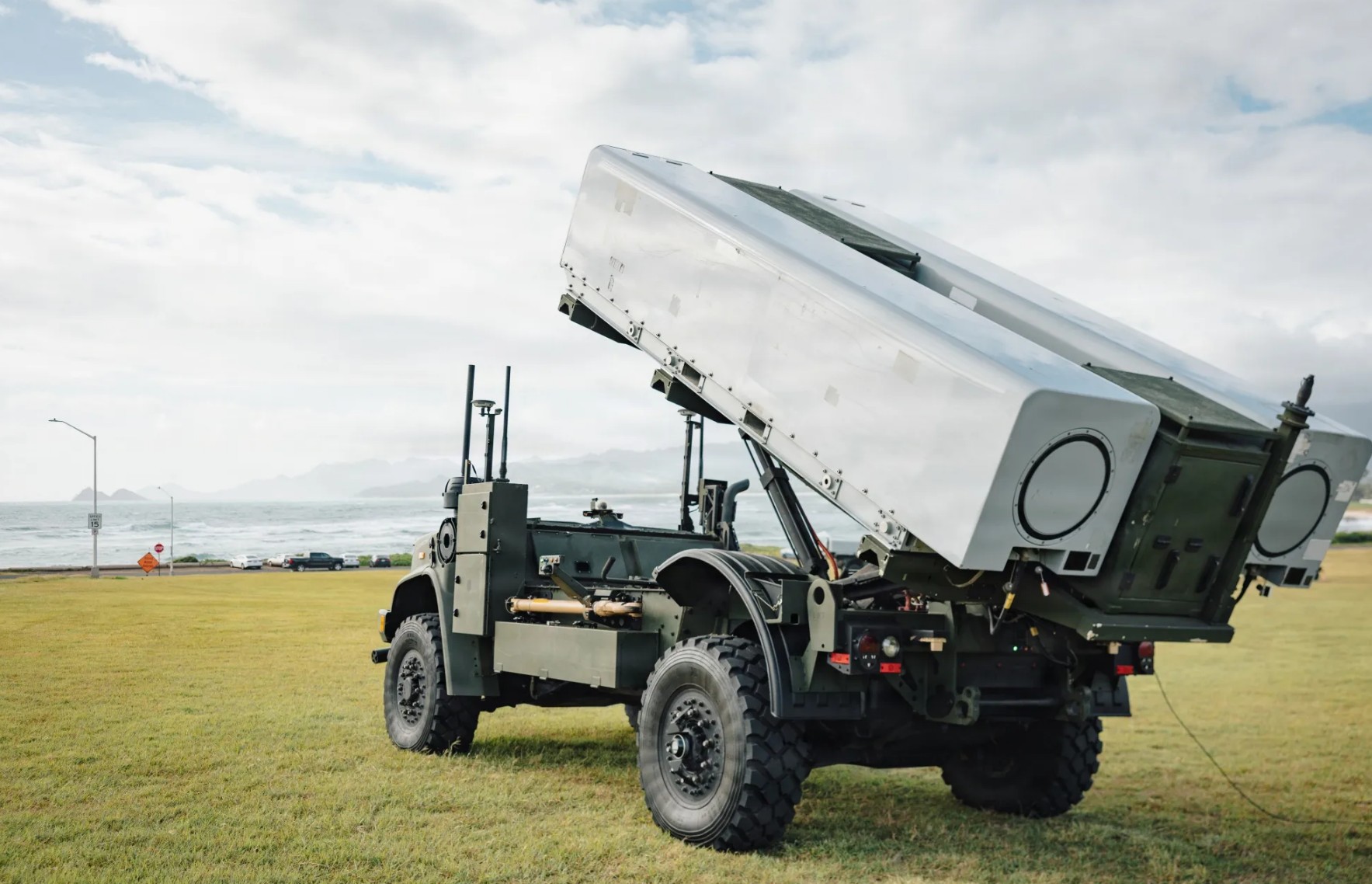
- destruction of Iran’s missile potential, air force and navy.
However, as the war dragged on and the promised “victory in weeks” failed to materialise, the list of objectives began to shrink. As CNN notes, the administration “appears to be preparing to settle for less – perhaps even much less.”
Vance: cheap gas is goal No. 1
The clearest evidence of this shift came in Vice President JD Vance’s interview with Fox News. When asked how the war might end, Vance named two goals.
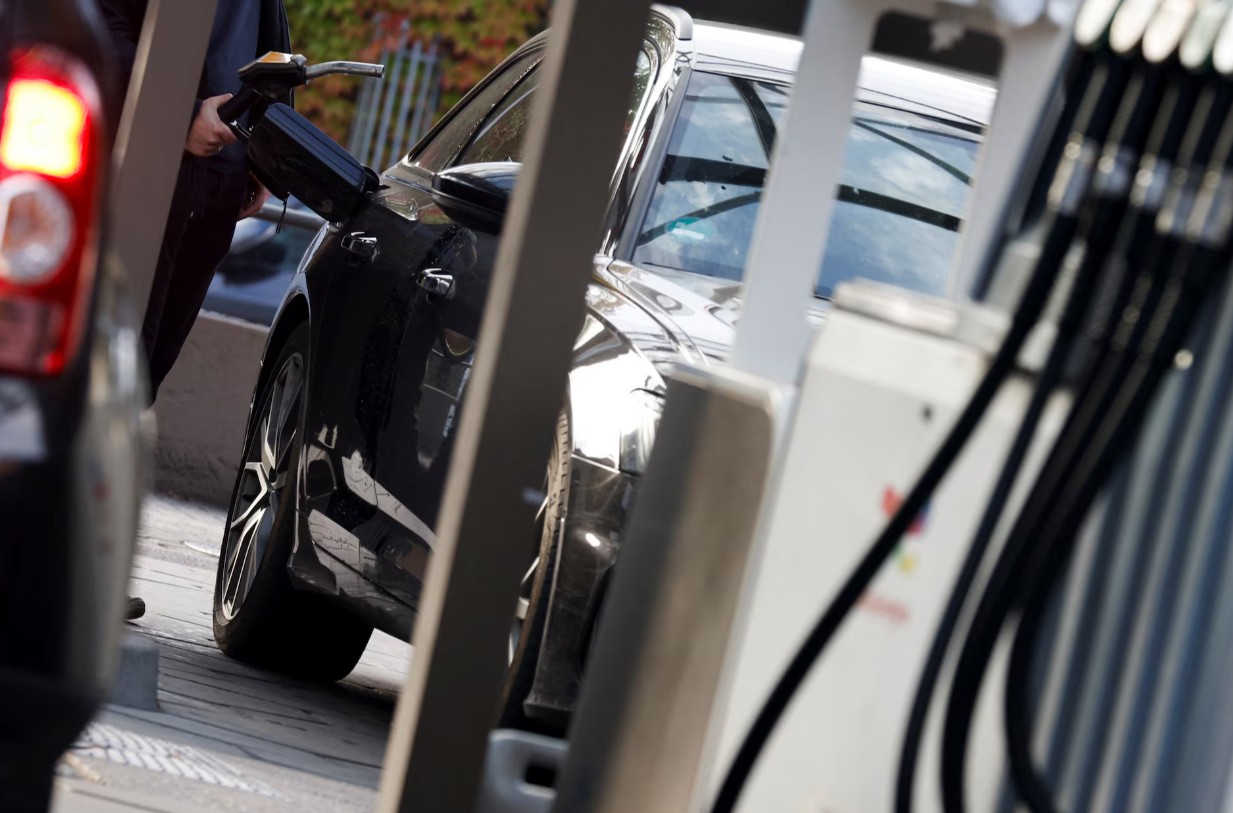
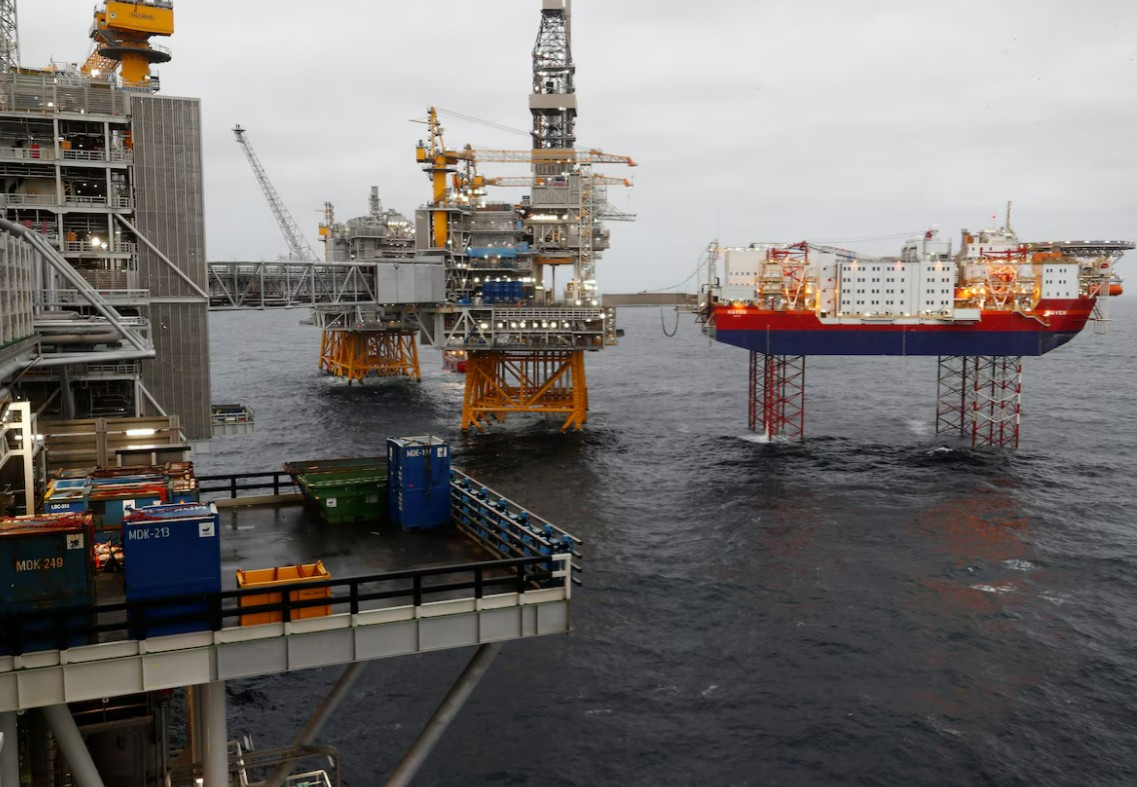
“It’s to make sure that the Gulf countries continue to supply oil and gas to the global economy so that we have stable energy prices,” Vance said. “That’s goal number one: keep oil and gas cheap for Americans across our country. And then, obviously, goal number two is to ensure that Iran never gets nuclear weapons.”
This statement was a radical departure from previous rhetoric. Where the administration had almost always characterised preventing Iran from obtaining nuclear weapons as the primary task, this item now fell to second place after energy prices.
Contradictions within the administration and the shift in priorities
Notably, Trump himself categorically rejected the idea back in May that the war was being fought for the benefit of American consumers.
When asked whether he takes Americans’ financial situation into account when trying to settle the war, Trump replied: “Not even a little bit.” He made it clear that denuclearisation is so important that he takes nothing else into consideration.
On Friday, Trump reiterated this line, saying he “will never apologise” for Americans paying a little more for gasoline given the stakes in Iran.
White House Press Secretary Karoline Leavitt attempted to smooth over the contradiction, saying that “both goals are equally important to the president.” However, the mere fact that oil and gas prices have been included in the list of goals – and that other items have been excluded (ending proxy support, destroying military infrastructure) – represents a significant shift.
A ‘project’ in real time: how the goal lists changed
As CNN notes, in March, the administration often listed four war aims, but their composition constantly changed depending on who was speaking:
- Some lists included ending funding for proxy groups, others did not.
- Some mentioned destroying Iran’s missile infrastructure, others omitted this point.
- Some spoke of eliminating Iran’s air force and navy, others – only the navy.
“It was as if the administration was drawing up a list in real time.” But none of these lists included maintaining low oil and gas prices in the domestic US market.
Return to the status quo as ‘victory’?
The new framing of objectives, according to analysts, may be a sign that the administration is preparing to end the war on terms far from its original ambitions.
According to The Wall Street Journal, Trump has told senior aides in private conversations that he may abandon the nuclear goal altogether and settle for simply reopening the Strait of Hormuz. Yet the strait was open before Trump and Israel started the war in February.
As CNN notes, keeping gas prices low “can be seen as a return to the pre‑war status quo – and then denuclearisation remains the only goal that would represent a new achievement.”
The war, launched with ambitious goals, is gradually turning into a search for a “dignified” exit. And if cheap gasoline for Americans really becomes the main achievement of a six‑month campaign, it will mean that the Trump administration has quietly but decisively moved the goalposts – and is now celebrating a goal scored on a completely different field.