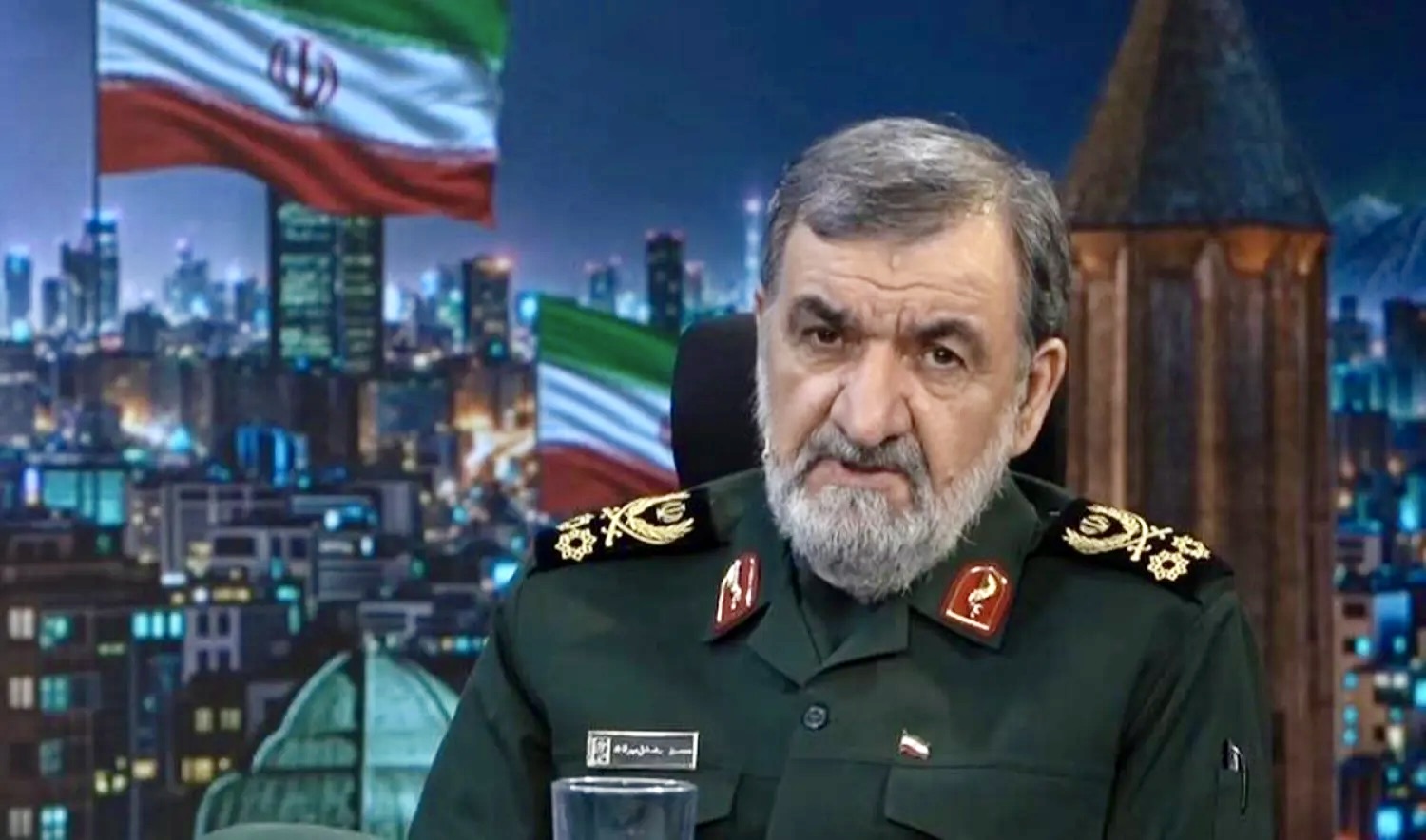
TEHRAN (Realist English). Iran has issued one of its sternest warnings since the conflict with the United States resumed. Military adviser to Iran’s Supreme Leader, Major General Mohsen Rezaei, said that if US strikes continue for another “two to three days,” Tehran will shift to “full‑scale offensive operations.”
“If US attacks continue for a few more days, we will enter a phase of full‑scale offensive operations,” Rezaei said in an interview with state television IRIB.
He stressed that Iran will no longer limit itself to “tit‑for‑tat retaliatory strikes” and warned that “no political border will be safe” for US military forces.
From Deterrence to Offensive: Tehran’s Strategic Shift
According to Rezaei, until now Iran has deliberately exercised restraint to prevent the conflict from escalating into a broader regional and international crisis. Tehran avoided ground offensives and large‑scale cross‑border strikes.
However, this policy will be reconsidered if Washington continues its strikes. Rezaei warned that Iran would deploy additional military capabilities, including ground forces, and expand the geography and intensity of the war.
“The United States should expect expanded waves of missile and drone attacks,” the adviser said, cautioning Washington against any ground operation against Iran.
Seventh Night of Strikes: US Expands Campaign
Tehran’s warning came amid a seventh consecutive night of US airstrikes on Iranian targets. US Central Command (CENTCOM) reported that strikes targeted “surveillance facilities, military logistics infrastructure, underground weapons storage, and naval assets.”
US forces also confirmed they are maintaining a naval blockade of Iranian ports. “More than 50,000 US service members are operating in the Middle East and remain vigilant, lethal, and ready,” CENTCOM said.
Iran’s Response: Strikes on US Allies in the Region
Iran immediately responded to US attacks. According to Reuters, Iran carried out fresh strikes on US allies in the Persian Gulf, targeting US military facilities in Kuwait, Jordan, and Bahrain.
Kuwait reported that an Iranian attack hit a power plant and a desalination facility, and that seven servicemen were wounded in a drone strike on army positions. Jordanian military officials said they intercepted 10 Iranian missiles. In Bahrain, home to a major US naval base, air raid sirens sounded.
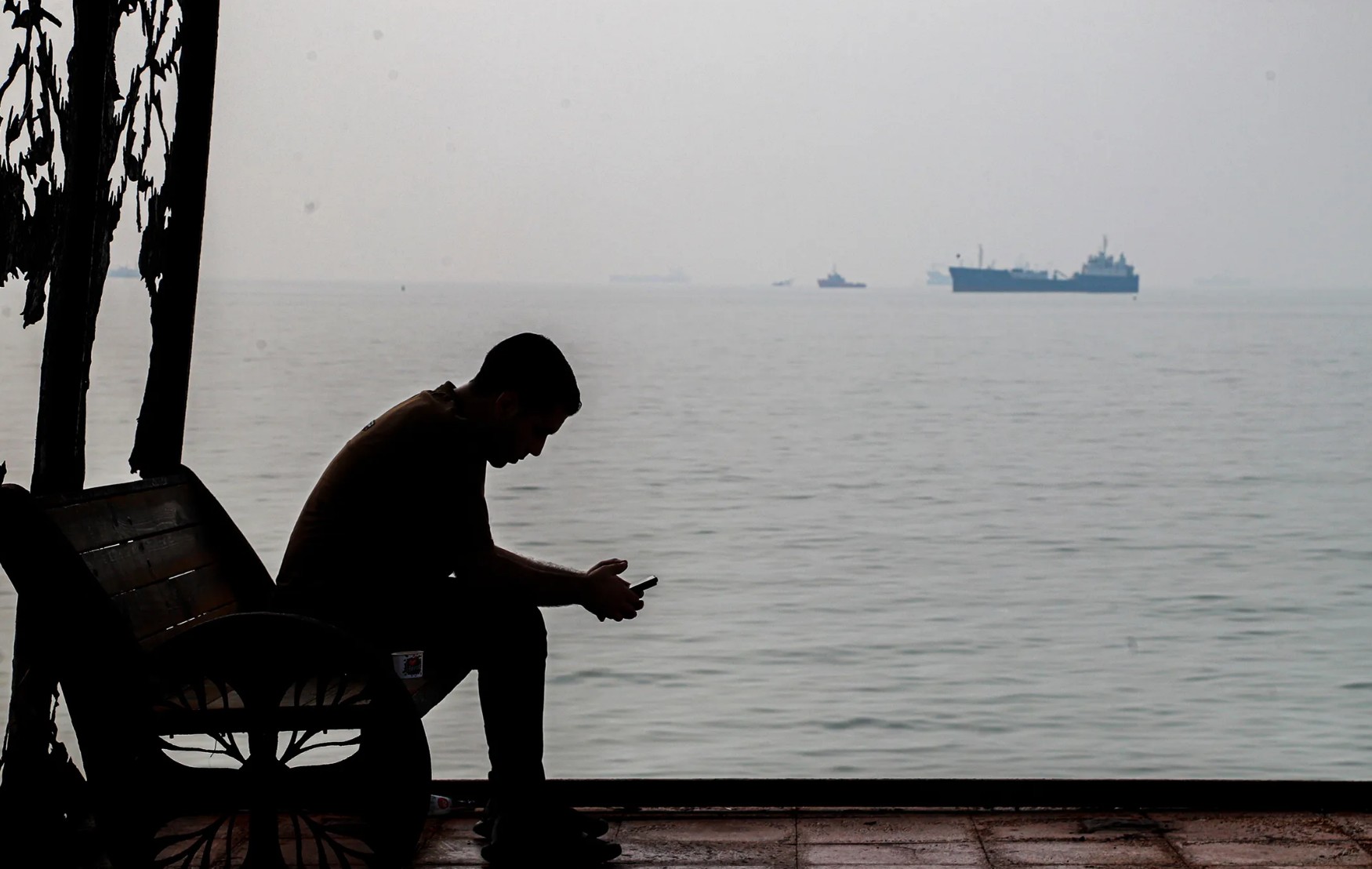
Iranian media also reported that the Islamic Revolutionary Guard Corps (IRGC) stopped four vessels attempting to transit the Strait of Hormuz, and that two oil tankers exploded and caught fire after passing through a mined route south of the strait. The Pentagon called this report “false.”
Memorandum Dead: Diplomacy No Longer Works
Rezaei said the US‑Iran memorandum of understanding is effectively dead. In his words, Washington violated the framework agreement by continuing to apply maximum pressure on Tehran.
He also accused the US of using the two‑week ceasefire to complete its naval blockade of Iran.
“The policy of waging war and negotiations at the same time is over,” Rezaei said.
UN and International Reaction
UN Secretary‑General António Guterres expressed concern over strikes on civilian infrastructure. Several Arab states condemned the Iranian strikes and called for a return to dialogue.
The US‑Iran conflict has entered a critical phase. Iran has warned that if US strikes continue, it will shift from a strategy of deterrence to a full‑scale offensive.
As Rezaei put it: “We have not focused on expanding the war and have not launched invasions. Our goal was deterrence to end the conflict. But if US strikes continue, we will move to full‑scale offensive operations.”