DUBAI (Realist English). Iran has warned that the Strait of Hormuz is its “unbreakable red line” and threatened to destroy all infrastructure in the region if the United States continues to strike Iranian targets.
The statement came as the US military campaign expanded: the Pentagon carried out strikes deep inside Iranian territory, including areas around Tehran, and also disabled a tanker attempting to break the naval blockade.
Iran: “Red Line” and Infrastructure Threats
Iranian military commander Brigadier General Ebrahim Zolfaghari said on Thursday: “We will under no circumstances allow the United States to interfere in the affairs of the Strait of Hormuz. This is Iran’s unbreakable red line.”
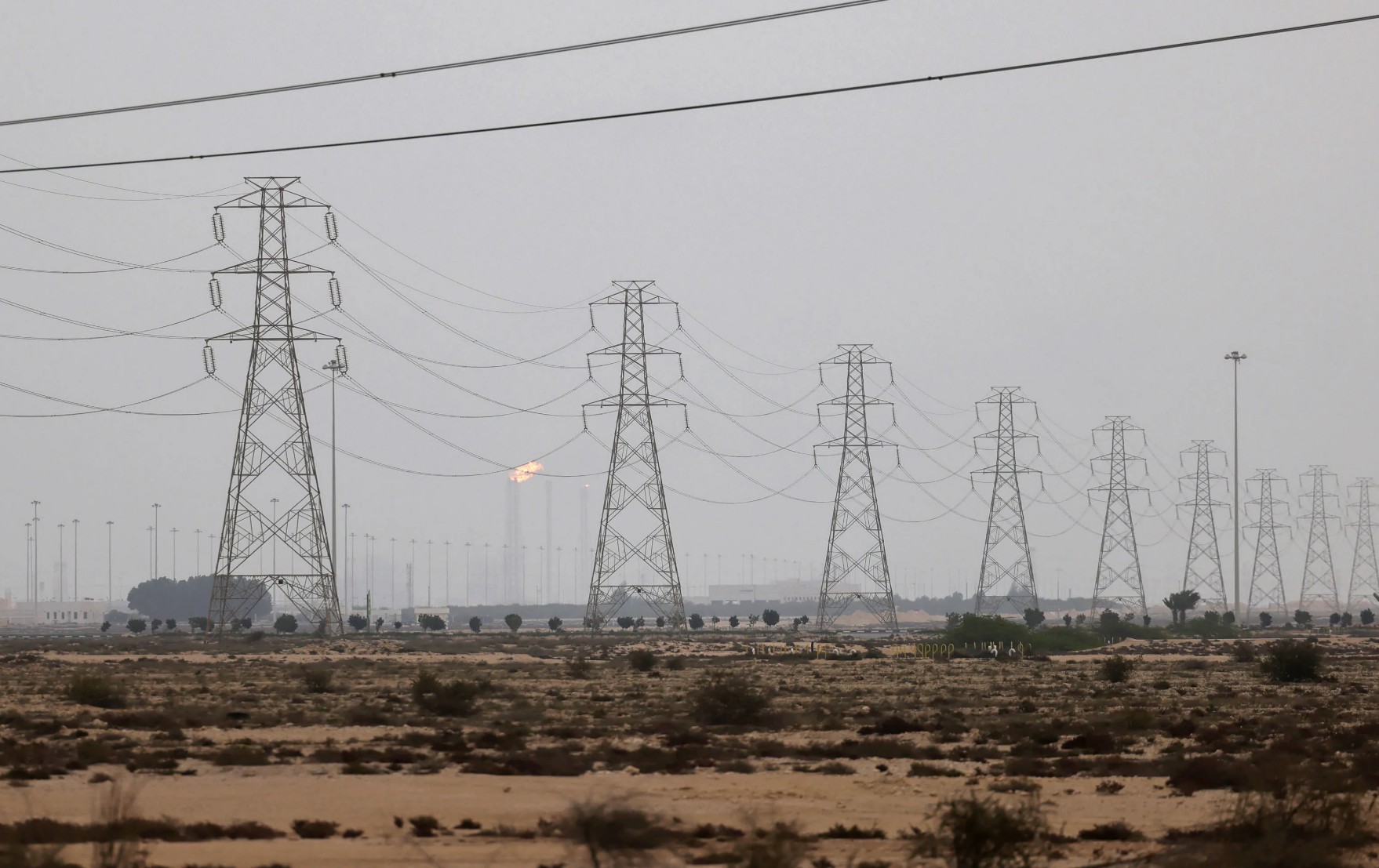
The Iranian army also warned that if US President Donald Trump follows through on his threat to strike Iranian infrastructure, Tehran will retaliate against “all remaining infrastructure” in the region, with a response that would be “more serious, broader in scope, and more destructive than previous attacks.”
As a spokesman for the Iranian military command stated, “the region’s infrastructure will be crushed in such a way that not a trace of it will remain.”
Iran’s chief negotiator and parliament speaker Mohammad Bagher Ghalibaf said the country is in an “existential war with America.” He also stressed that Iran’s national security depends on preserving “Iranian arrangements” in the Strait of Hormuz. According to the military, the only way to open the strait is for the US to comply with the 14‑point memorandum of understanding signed in June.
US Expands Strikes Deep into Iran
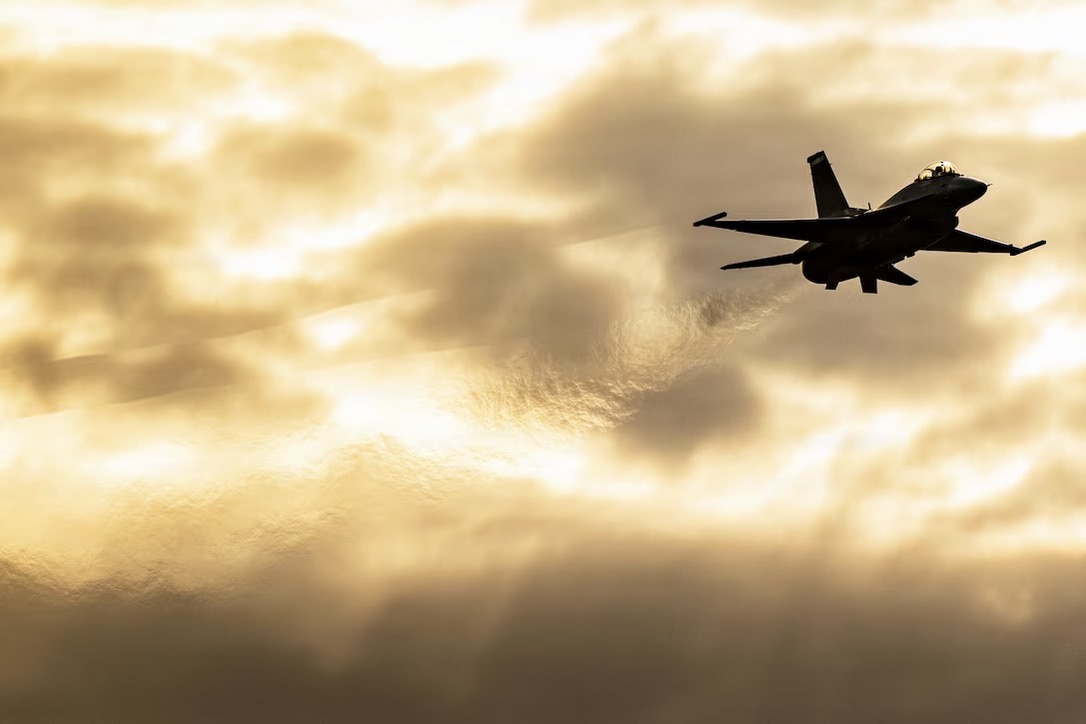
The United States has carried out a fifth consecutive night of airstrikes. US Central Command (CENTCOM) reported a six‑hour series of strikes at multiple locations. During the operation, an underground ballistic missile launcher and other targets, including command centers, air defense systems, and coastal surveillance facilities, were hit.
US forces also disabled an empty oil tanker heading for Iran’s Kharg Island — Tehran’s economic artery. CENTCOM stated that the vessel ignored warnings, and after being hit by Hellfire missiles, it “is no longer heading to Iran.”
Trump is considering expanding the military operation, including the capture of Kharg Island and strikes on underground facilities at Mount Pikax linked to Iran’s nuclear program. The president also threatened to strike Iranian power plants and bridges next week if Tehran does not return to the negotiating table.
Iran’s Response: Strikes on US Allies
In response to US attacks, Iran struck American military facilities in Jordan, Kuwait, and Bahrain. Jordanian air defense forces shot down eight Iranian missiles. Kuwait reported destroying four cruise missiles and 21 drones in its airspace.
The Iranian army said it struck Jordan’s Al‑Azraq Air Base with ballistic missiles, hitting the command center and MQ‑9 drone hangars. The Islamic Revolutionary Guard Corps (IRGC) also claimed to have destroyed a US satellite center in Bahrain.
Tehran warned its neighbors: “Our neighbors must know that providing bases to the Americans and allowing them to strike Iranian territory is unacceptable and will not go unanswered.”
Shipping and Oil Markets on the Brink of Collapse
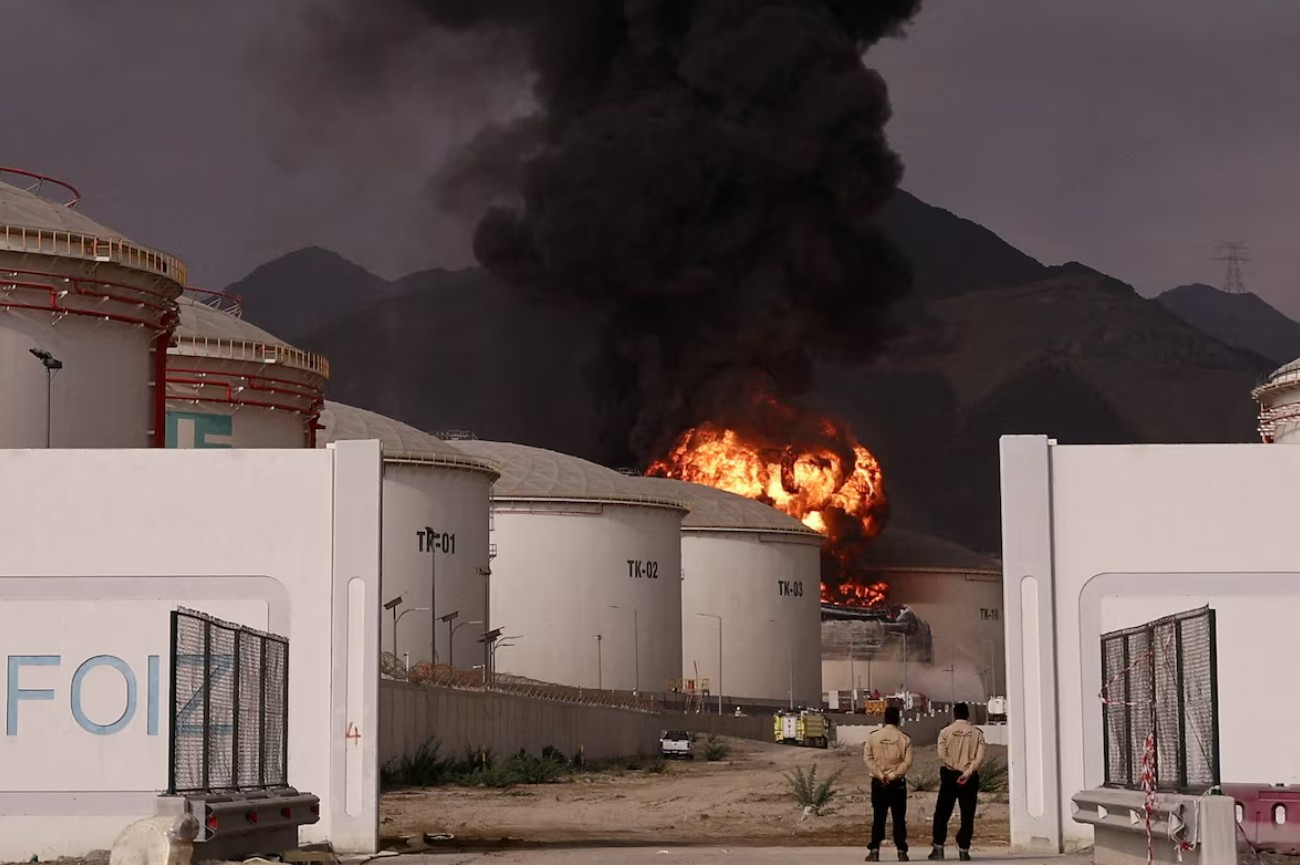
The Strait of Hormuz, through which a fifth of the world’s oil and gas passes in peacetime, has remained closed since the resumption of hostilities. Tanker traffic through the key waterway has virtually ceased, leading to a sharp rise in oil prices.
On Tuesday, Brent crude reached a one‑month high above $84 a barrel. The IRGC warned that the US should expect “the closure of other oil and gas export routes serving the interests of the United States and its allies.”
Iran has ruled out the possibility of negotiations with Washington amid ongoing hostilities. Iranian Foreign Ministry spokesman Esmaeil Baghaei said Tehran currently has “no plans for talks” and is focused on defense. Iran no longer considers itself bound by the memorandum of understanding, since Washington, in its view, has violated its commitments.
Analysts warn the conflict could escalate into all‑out war. As the Associated Press notes, “days of US‑Iran mutual strikes across the Middle East and renewed threats to the Strait of Hormuz have shattered the temporary ceasefire agreement and could plunge the region back into full‑scale conflict.”
However, Trump welcomed Iran’s release of American hostage Dena Karari, detained in December 2024, calling it a “goodwill gesture” on Tehran’s part.