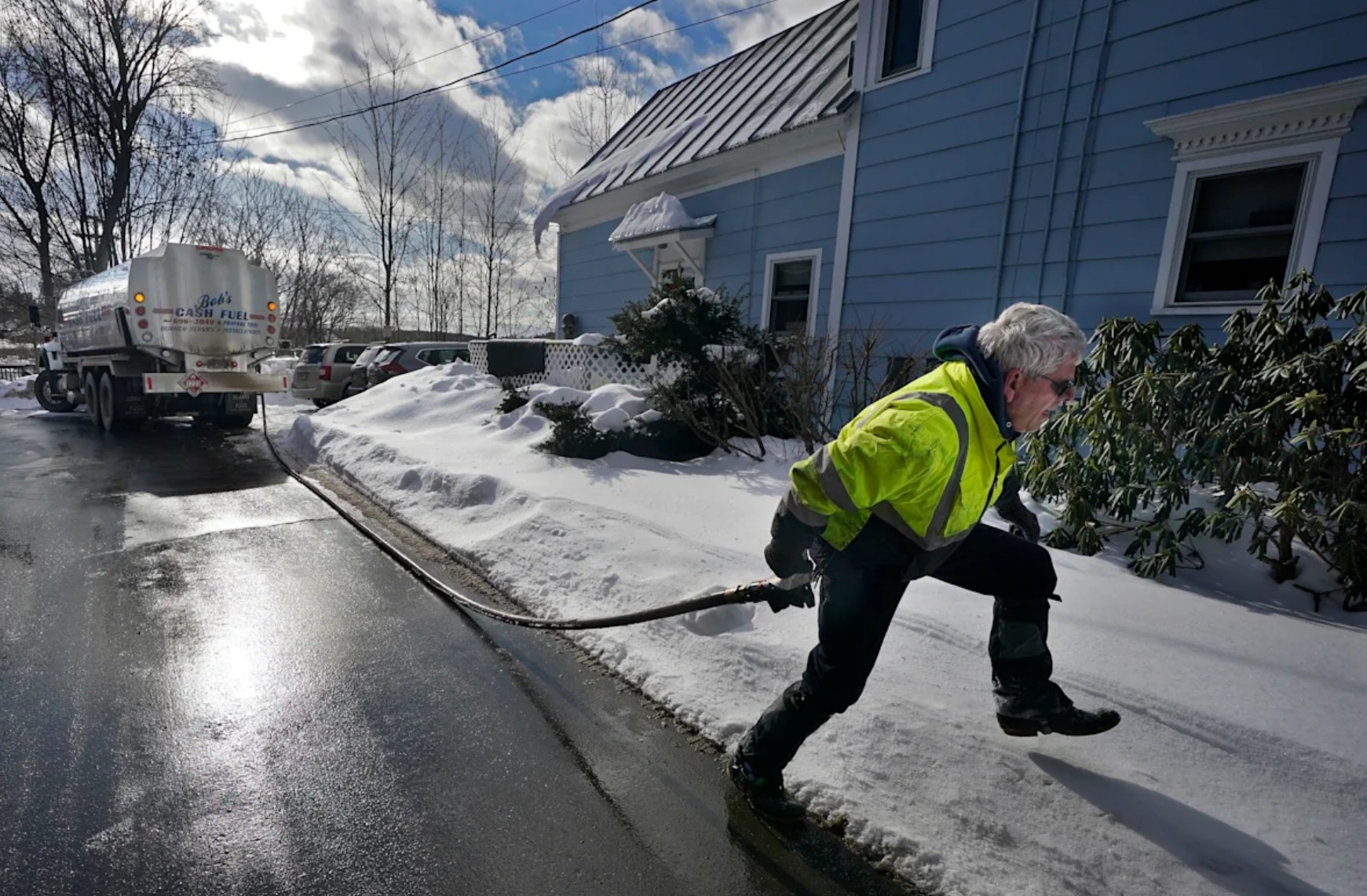
WASHINGTON (Realist English). The approaching winter heating season has brought a sharp rise in costs for millions of Americans. Prices for heating oil, used by about 4.8 million households predominantly in the northeastern states and Alaska, have approached historic highs.
Scale of price increases
According to the National Energy Assistance Directors Association (NEADA), heating oil costs this winter will rise by 50%, adding almost $900 to the average household bill. GasBuddy analyst Patrick De Haan warned: “Diesel is setting historic records, and that is a very alarming signal for heating oil costs this winter.”
In Maine, where more than half the population depends on heating oil, a gallon costs an average of $5.96. In Vermont — $5.87, in Connecticut — $5.91. A minimum order of 100 gallons costs almost $600, and a typical household burns that volume in a few weeks.
Why this happened
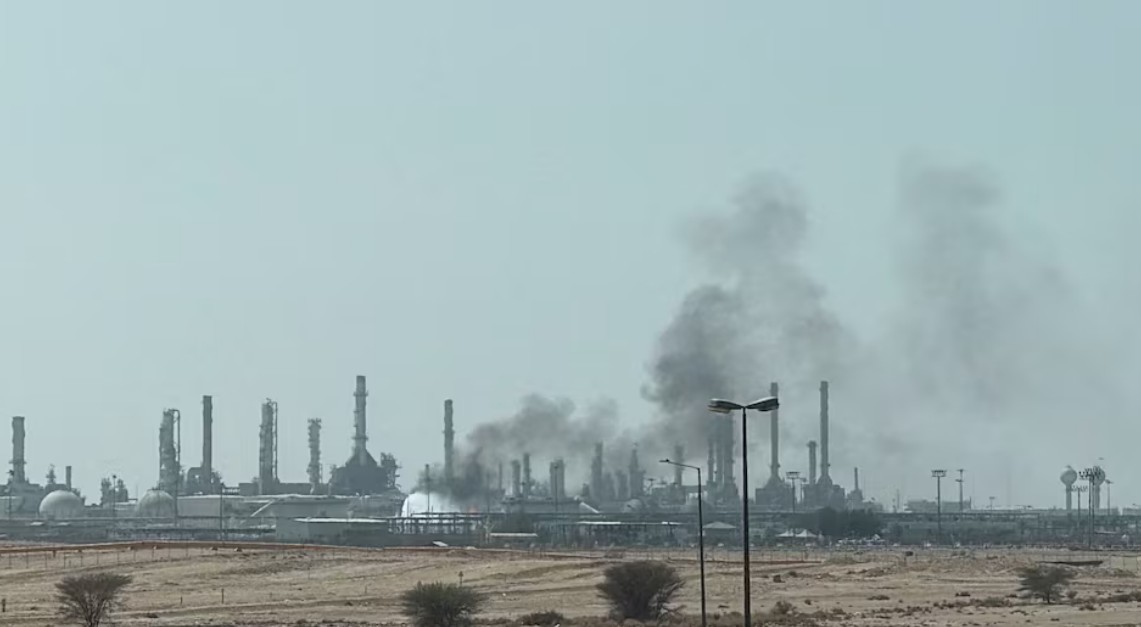
Heating oil is chemically almost identical to diesel. While crude oil prices stabilized, diesel continued to rise due to seasonal demand and supply disruptions.
Two key factors limited supply: the war with Iran disrupted exports through the Strait of Hormuz, and Ukrainian attacks on Russian refineries knocked out significant refining capacity. According to Enverus Intelligence Research, about 7 million barrels per day of refining capacity in the Middle East and Russia is damaged or restricted.
Distillate stocks in New England, including diesel and heating oil, stand at 2.9 million barrels against a five-year average of 4.9 million.
Consumer reaction
Residents are taking emergency measures. A 51-year-old KC from the Augusta area (Maine) received a quote of $5.99 per gallon versus the usual price of about $3 in previous years. “I was honestly shocked to learn that oil costs that much,” she said.
She plans to set her thermostat to 50°F (about 10°C) — the minimum at which pipes do not freeze — and heat her home mainly with two pellet stoves. Chris Herb, president of the Connecticut Energy Marketers Association, noted: “Insulation measures and system tuning can reduce the bill by 10%. At these levels, 10% is very significant money.”
Pressure on authorities
Maine Senators Susan Collins and Angus King sent a letter to President Trump requesting the activation of the Northeast Home Heating Oil Reserve. They noted that prices in Maine have risen by 74% compared to last year, and filling a standard tank costs $675 more.
A bipartisan group of 31 senators demanded that the Trump administration accelerate the distribution of LIHEAP funds — a program to help low-income households pay energy bills. About 6 million households received this assistance last year. However, the Trump administration had previously laid off program staff and twice proposed zeroing out its funding.
Will the release of reserves and LIHEAP assistance soften the blow for millions of Americans? Or will rising fuel prices become a new political challenge for the White House?