ANKARA(Realist English) . The Turkish stock market has suffered a crash that began with promises of astronomical returns. The Istanbul Prosecutor’s Office is investigating 217 suspects, 56 of whom are in custody. Nearly 455,000 investors have been affected. The BIST 100 index posted its worst monthly result since 2008, and market capitalization lost trillions of lira.
How the bubble formed
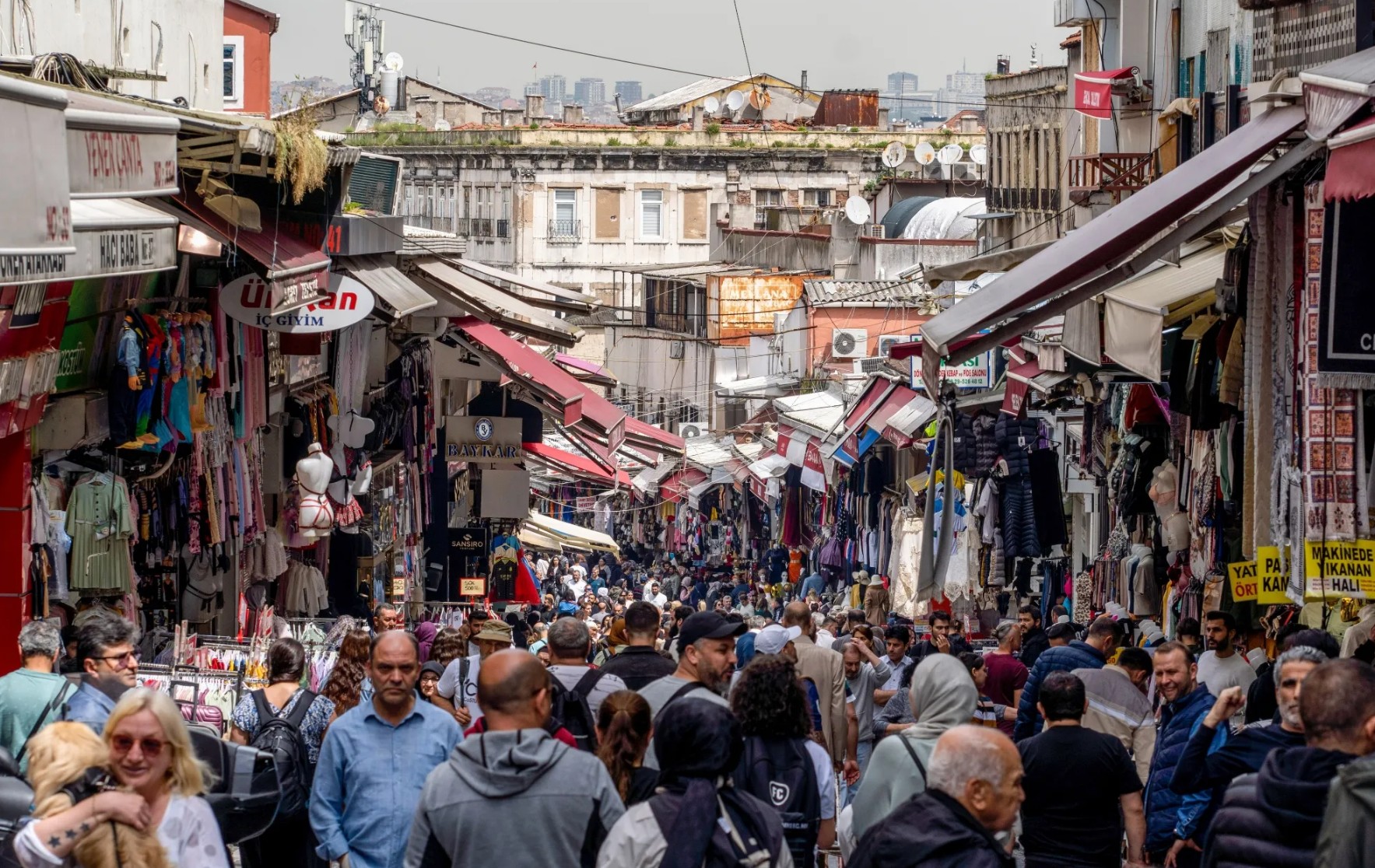
Turkey has long maintained a high interest rate to curb inflation (currently around 30%), forcing depositors to seek returns above inflation. Investment funds became the main choice: over three years, their assets grew to more than $20 billion, attracting nearly 500,000 investors.
At the center of the scandal were Tera Portföy and Pusula Portföy, which expanded rapidly. By August 2026, assets under Tera’s management had grown more than 10-fold — to $14.3 billion, and Pusula’s — 13-fold, to $13.2 billion. They ranked sixth and eighth in Turkey’s investment portfolio management industry.
The highest returns were demonstrated by the TLY hedge fund under Tera’s management: from January to July 2025, its lira-denominated return was 747%, and after opening access to a broad range of investors in July, cumulative returns exceeded 15,000% (in lira). The fund attracted 102,616 investors, and its assets reached $5 billion, making it the largest among the funds being liquidated.
How the bubble burst
Problems began when some funds failed to make timely payments on redemption requests. Turkey’s Capital Markets Board (SPK) intervened and ordered the liquidation of 131 funds under the management of seven management companies with assets of about $18 billion.
The investigation showed that some funds artificially inflated prices through concentrated ownership of low-liquidity small-cap stocks and even securities of affiliated companies. Rising quotations inflated the funds’ net asset values, attracting new investors; the constant inflow of funds supported prices, creating a structure resembling a “pyramid.” As soon as new money was no longer enough to cover redemptions, the entire chain collapsed.
Blow to the market
The BIST 100 index crashed by more than 5% in a single day on September 16, and over two days market capitalization lost about $30 billion. September became the worst month for the index since 2008.
From the May peak to October 2, the capitalization of the entire BIST market shrank from 22.64 trillion lira to 16.21 trillion lira, losing about 6.43 trillion lira (of which about 4.5 trillion lira in September).
Individual stocks suffered even more: Hedef Holding fell from a peak of 396 lira in August to below 10 lira — a drop of 97.66%; LDR Turizm — 93.91%; Özata Denizcilik — about 66.94% from a peak of 5,115 lira.
Political consequences
The scandal has affected the ruling party. Deputy Chair of the Justice and Development Party (AKP) Fatma Betül Sayan Kaya resigned from her party position after opposition accusations that she and her husband profited before the collapse of Özata Denizcilik shares.
Justice Minister Akın Gürlek reported that the number of suspects had risen to 217, of whom 56 are in custody, including the heads of Tera and Pusula, as well as former Central Bank Deputy Governor Erkan Kilimci.
Subsequent measures
The SPK launched a transitional payment mechanism: investors with net investments of less than 1 million lira can receive full compensation, while those with investments exceeding 1 million lira first receive 1 million lira as a transitional payment. Final liquidation is expected to take six months.
JPMorgan warned that this crisis represents a “significant downside risk” to Turkey’s 2026 GDP growth forecast of 3%. The final size of investors’ real losses will depend on the price at which the low-liquidity stocks can be sold.