LONDON(Realist English) . On October 5, global oil prices declined under pressure from two factors: rising crude oil exports from the Middle East and the G7 decision to release strategic reserves. This eased concerns about supply disruptions amid the US and Israeli war against Iran.
What happened to prices
Brent crude futures fell by 66 cents, or 0.65%, to $101.59 per barrel. US WTI fell by 95 cents, or 1.03%, to $90.12 per barrel. Brent lost most of the positions gained last week, while WTI declined by 1.6% after the G7 decision. Russian Urals traded at $105.55, losing 1.07%.
Middle East exports exceeded pre-war levels
According to Kpler, which tracks maritime shipping, oil exports from Middle Eastern countries (excluding Iran) exceeded pre-war levels last week for the first time since the conflict began.
On four of the seven days of the week, average supply volumes exceeded the pre-war figure of 18 million barrels per day. In September, crude oil exports reached pre-war levels — at least 16.5 million barrels per day.
About 40% of exports now go around the Strait of Hormuz. The main routes are pipelines in Saudi Arabia and the UAE. Saudi Arabia’s East-West pipeline, connecting fields in the east of the country to the port of Yanbu on the Red Sea, resumed operation on September 22 after a strike on September 11. The UAE uses a pipeline connecting Abu Dhabi fields to Fujairah — a terminal outside the Strait of Hormuz.
According to Kpler, about 40% of oil now goes around Hormuz, and most of the crude crossing the strait is transshipped from tanker to tanker on the open sea.
G7 decision: 100 million barrels
On October 2, G7 leaders agreed on a coordinated release of 100 million barrels of diesel fuel and crude oil from strategic reserves through the International Energy Agency (IEA). The release will begin immediately and last four months, with a significant portion of the diesel reaching the market in the first 20 days.
Countries also committed not to impose restrictions on energy exports among themselves. The decision was made under US pressure: President Donald Trump threatened to ban exports of American diesel to Europe if allies did not release reserves.
“The G7 decision to tap strategic reserves removes some of the immediate supply anxiety, while the view is growing that Saudi Arabia’s export volumes are returning to pre-war levels, even if those barrels are still moving at higher costs and via less efficient routes,” noted Tim Waterer, chief analyst at KCM Trade.
What next
ING analysts note that Brent is holding above $100 amid continued geopolitical tension and rising attacks on commercial vessels in the Persian Gulf. OPEC+ postponed its 2027 production quota review due to the war with Iran, which disrupted capacity expansion projects in the Middle East.
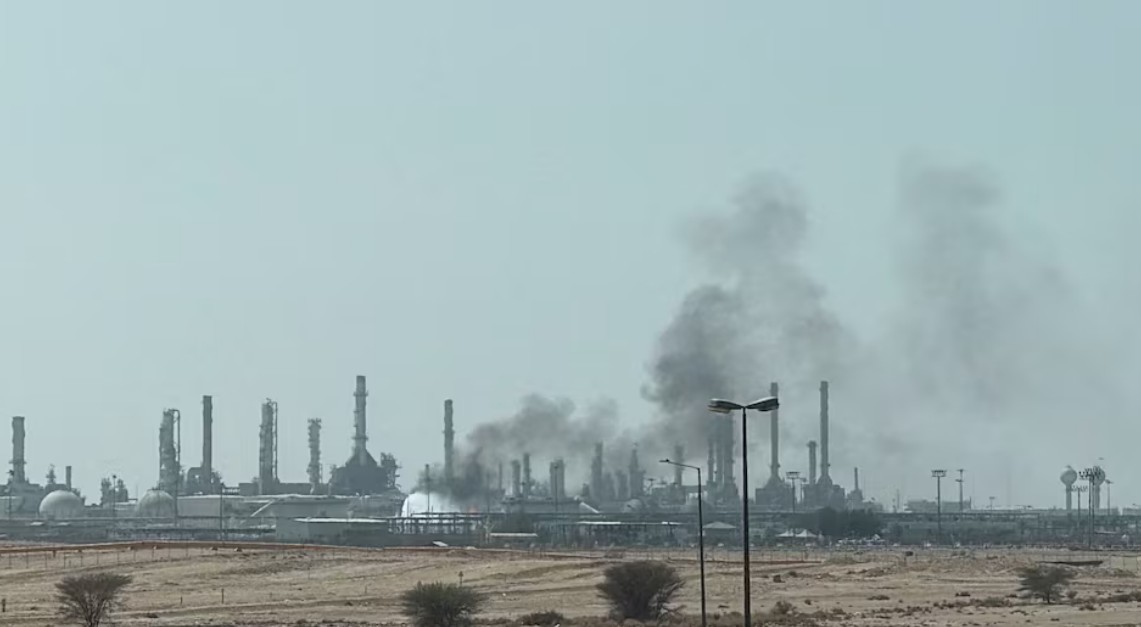
On the morning of October 5, the Houthis claimed to have launched ballistic missiles and drones at Saudi Aramco facilities in Riyadh and the Khurais area in response to 50 strikes by the Saudi-led coalition on Yemen over the past 12 hours. Saudi Arabia did not provide confirmation.
Will the rise in Middle Eastern exports and the G7 reserve release keep prices from a new spike? Or will attacks on vessels and infrastructure change the situation again?