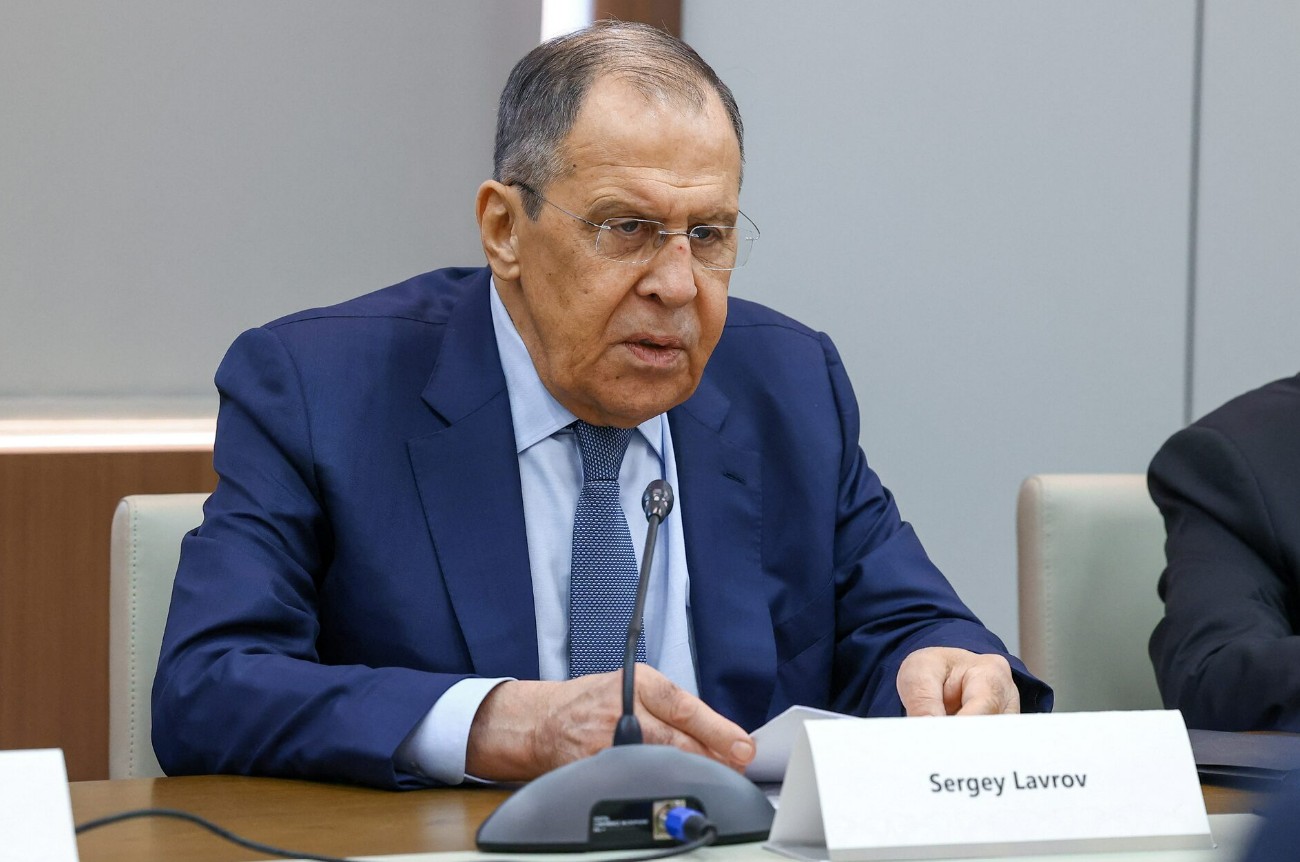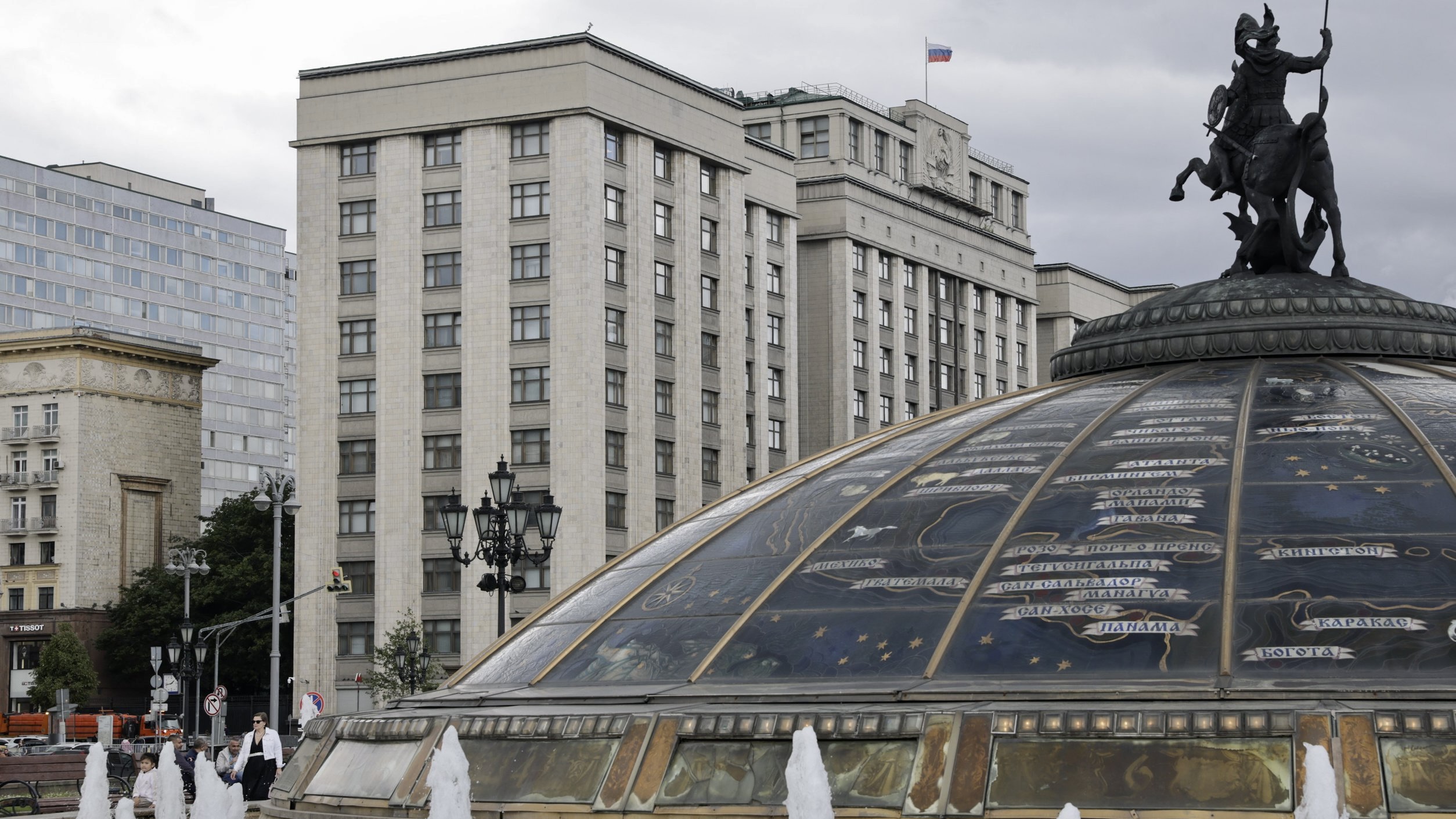
MOSCOW (Realist English). The State Duma adopted in the second and third readings two federal laws aimed at further tightening migration policy. As State Duma Chairman Vyacheslav Volodin stated, the initiatives respond to public demands and are designed to restore order in the migration sphere.
Since 2024, the parliament has adopted 30 federal laws in the migration sphere, of which 21 were initiated by deputies. The new norms amend the Federal Law “On the Legal Status of Foreign Citizens in the Russian Federation” and the Tax Code.
The Essence of the Adopted Laws: Income, Patent, and Deportation
Under the new rules, labor migrants are required to support themselves and their family members living in Russia and dependent on them at a level not lower than the subsistence minimum, multiplied by a regional coefficient.
In 2026, the federal subsistence minimum is set at 18,939 rubles; however, when assessing income, this amount is increased to account for regional coefficients.
If a migrant’s income falls below the established threshold, the patent or work permit will not be renewed. In such a case, the foreign citizen is obliged to leave the country together with minor children within 15 days.
Concurrently, corresponding amendments to the Tax Code regarding the payment of fixed advance personal income tax (NDFL) payments were adopted.
Financial Aspect: Boosting Regional Budgets
Vyacheslav Volodin emphasized that the adoption of the changes will allow regions to replenish their budgets, since the cost of patents is determined at the regional level and varies from one federal subject to another.
Earlier, on June 10, 2026, the State Duma had already adopted a package of laws that significantly increased state duties for migrants:
| Service | Previously | Now | Increase |
| Citizenship application | 4.2 thousand rubles | 50 thousand rubles | 12-fold |
| Temporary residence permit | 1.92 thousand rubles | 15 thousand rubles | 8-fold |
| Permanent residence permit | 6 thousand rubles | 30 thousand rubles | 5-fold |
According to Volodin’s estimates, the adopted laws will allow the federal budget to be additionally replenished by more than 15 billion rubles per year.
Statistics and Context: Migration Flow Declining
The adopted laws fit into the overall trend of tightening migration policy, which, according to authorities, is already producing results.
As of April 1, 2026, there were 6.1 million foreign nationals on Russian territory — a year earlier there were 6.8 million. In the first quarter of 2026, the number of migrants entering Russia fell by 15%.
The number of annulled permanent residence permits (PRP) in January–March 2026 increased by 90% , exceeding 8,000. The number of issued temporary residence permits (TRP) dropped by 27.5% , and permanent residence permits by 27.8%.
Vyacheslav Volodin called these figures evidence of the effectiveness of previously adopted laws in combating illegal migration.
What Has Been Adopted Earlier: A Systemic Approach
Since 2024, the State Duma has formed, in Volodin’s words, a “legal framework” for migration policy.
Key previously adopted norms include:
- Law No. 358-FZ of October 26, 2024 — clarified grounds for refusal to issue and annulment of TRPs and PRPs in cases of fictitious marriage or paternity.
- Package of laws of June 10, 2026 — increase in state duties in the migration sphere and introduction of a single 30-day period for medical examinations for entrants.
- Transfer of powers to the Ministry of Internal Affairs (MVD) — a bill to transfer to the MVD the powers of the Ministry of Labor to approve lists of professions for qualified foreign specialists.
Expert Assessments: From Support to Criticism
Experts acknowledge that tightening migration policy responds to public demands. However, assessments vary.
Sergey Mironov, Chairman of the “A Just Russia – For Truth” party, called for a revision of the conditions of the organized recruitment experiment, noting that according to MVD forecasts, in 2027–2030, over 1.7 million foreign workers will arrive in Russia under this program.
At the same time, Kirill Kabanov, a member of the Public Chamber and head of the National Anti-Corruption Committee, called the new bills “merely an imitation of the fight against uncontrolled migration,” behind which lies “benefit for lobbyists — and enormous risks for the country.”
What Next?
Vyacheslav Volodin stated that the deputies’ work in the migration direction will continue. Among the immediate plans is consideration of the bill to transfer to the MVD the powers of the Ministry of Labor to approve lists of professions for qualified foreign specialists.
The formed legal framework, according to the State Duma Chairman, will allow the Ministry of Internal Affairs and other agencies to “effectively implement migration policy in the interests of the country and our citizens, and restore order.”