NEW YORK (Realist English). On July 13, global financial markets came under dual pressure: fresh US strikes on Iran pushed Brent crude above $79 a barrel, triggering a slump in Asian stock indices and a sell-off in government bonds worldwide.
Investors are once again pricing in the risk of accelerating inflation and tighter monetary policy from the Federal Reserve.
Global Markets: What Happened
A new wave of US strikes on Iran, which began on July 12 and continued on July 13, marked the fourth round of hostilities in the past week. The Pentagon’s stated objective was “further degrading Iran’s ability to attack civilian vessels in the Strait of Hormuz.”
Tehran responded with missile and drone strikes on US allies, including Kuwait, Jordan, and Qatar. According to Iranian state media, the Islamic Revolutionary Guard Corps struck missile and fuel depots at Prince Hassan Air Base in Jordan.
Iran also declared the Strait of Hormuz “closed until further notice,” though US Central Command and maritime authorities maintain that shipping continues along the southern route.
Oil: Brent Tops $79
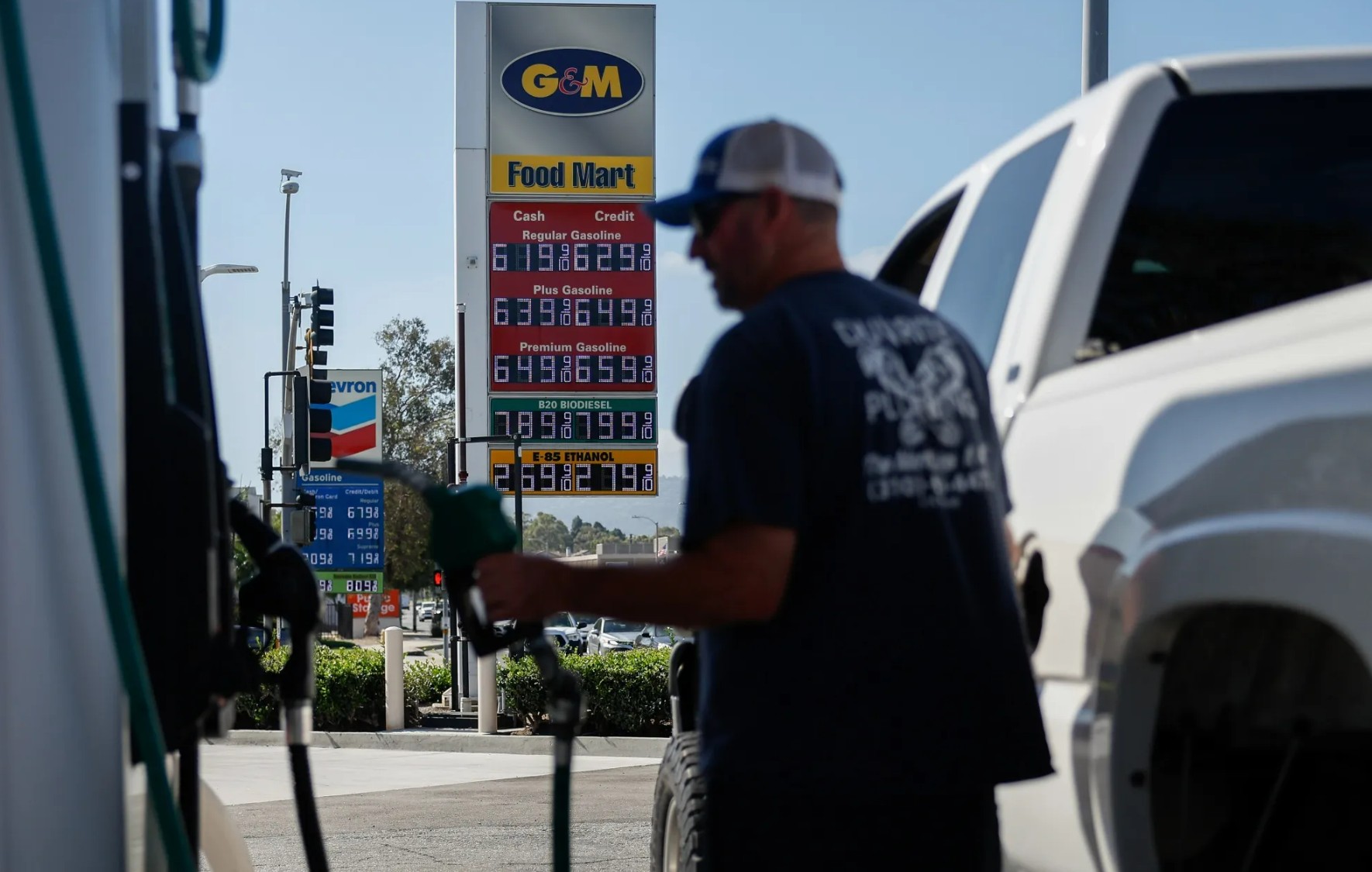
Oil prices reacted instantly. Brent crude jumped 4.3% to $79.25 — a three-week high. US WTI gained 4% to $74.26.
Goldman Sachs Research noted in this context that the events around the strait “demonstrate how critical flows through Hormuz remain for prices in the near term.”
Analysts, however, doubt that oil will return to March peaks around $120. As IG analyst Fabien Ip put it, “the resumption of escalation exposes the fragility of market assumptions” about a quick end to the conflict, yet demand is recovering slowly, and OPEC+ quota expansions are adding barrels to an already oversupplied market.
Stock Markets: Asia in the Red
Asian markets experienced one of the most painful days this year. The MSCI Asia Pacific index lost 1.8%. South Korea’s KOSPI plunged 8% — its worst drop in months, driven by a collapse in tech heavyweight shares.
SK Hynix, the South Korean chipmaker whose US depositary receipts surged 13% in its Nasdaq debut on Friday, crashed 13% in Seoul on Monday. Samsung Electronics fell more than 6%.
Japan’s Nikkei 225 fell 1.6%, Hong Kong’s Hang Seng hovered near flat, while Shanghai’s Composite slid 1.2%.
US and Europe Futures: Red Lights
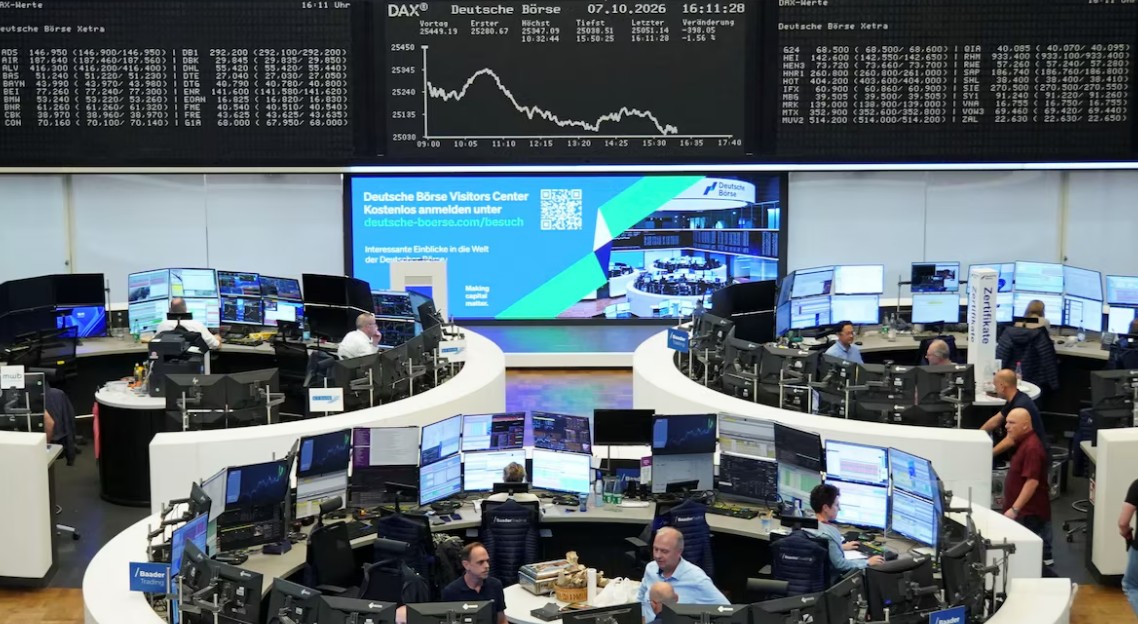
The outlook for US and European trading offers little comfort for investors. Nasdaq 100 futures lost 1.3%, S&P 500 futures fell 0.55%, and Dow Jones futures dropped 0.35%.
European bourses are expected to open 1% lower.
Bonds and Yields: 2-Year Treasuries Hit Yearly High
The escalation also hit debt markets. The yield on 2-year US Treasury notes rose 2–3 basis points to 4.24% — the highest level since February 2025.
Investors are pricing in at least one Fed rate hike by year-end: rate futures imply about 39 basis points of tightening by December.
Japanese and Australian government bonds also lost ground. The yield on 10-year Treasuries rose 2 basis points to 4.59%.
Dollar and Precious Metals: Flight to Safety
The dollar strengthened against all G10 currencies, remaining the primary safe haven amid the Middle East conflict. The dollar index rose to 101.13. The euro, by contrast, weakened — Europe is far more dependent on imported oil than the US.
Non-yielding assets, on the other hand, lost appeal. Gold fell 1.6% to $4,055 an ounce, silver dropped nearly 3% to $58.20. Bitcoin fell more than 2% to $62,700.
A Pivotal Week for Markets
This week will be a major test for global markets. On Tuesday, earnings season kicks off with reports from major US banks — Goldman Sachs and JPMorgan Chase — alongside US inflation data for June. Later, Fed Chair Kevin Warsh will make his first appearance before Congress, and his comments could provide new guidance on interest rates.
“We expect July to be a volatile month for stocks, especially due to inflation and rate-hike concerns,” said Julia Wang, Chief Investment Officer for North Asia at Nomura International Wealth Management. “The outbreak of fighting in Iran will only compound that challenge.”
What Next?
The risk balance for markets has shifted toward tighter monetary conditions amid rising energy prices.
As Garfield Reynolds, head of MLIV Asia at Bloomberg, noted: “Bonds are set to fall as simmering Middle East tensions signal persistent inflationary pressures that will push yields higher at both ends of the curve.”
Investors now face a key question: can the corporate earnings season meet expectations and sustain the AI rally, or will the Gulf escalation and a new wave of inflation expectations outweigh positive corporate fundamentals?