TEHRAN (Realist English). The United States and Iran exchanged a second consecutive night of missile and drone strikes over the weekend, as hostilities over control of the strategic Strait of Hormuz escalated dramatically.
Washington launched what it called “dozens” of strikes on Iranian military targets, while Tehran responded with wide-ranging attacks on US bases and allied facilities across the Persian Gulf region.
The fresh fighting shattered an already fragile interim ceasefire signed in June. US President Donald Trump declared last week that the truce was “over.”
Oil prices jumped more than 4% on Monday morning in Asia, with Brent crude rising to $79 a barrel.
What Happened: Two Nights of Strikes
The latest wave of US strikes began on Saturday evening, when US Central Command (CENTCOM) announced it had hit approximately 140 Iranian military targets in what it described as one of the largest salvos of the past week. The strikes targeted air-defense systems, coastal radar sites, missile and drone capabilities, communication networks, and naval vessels.
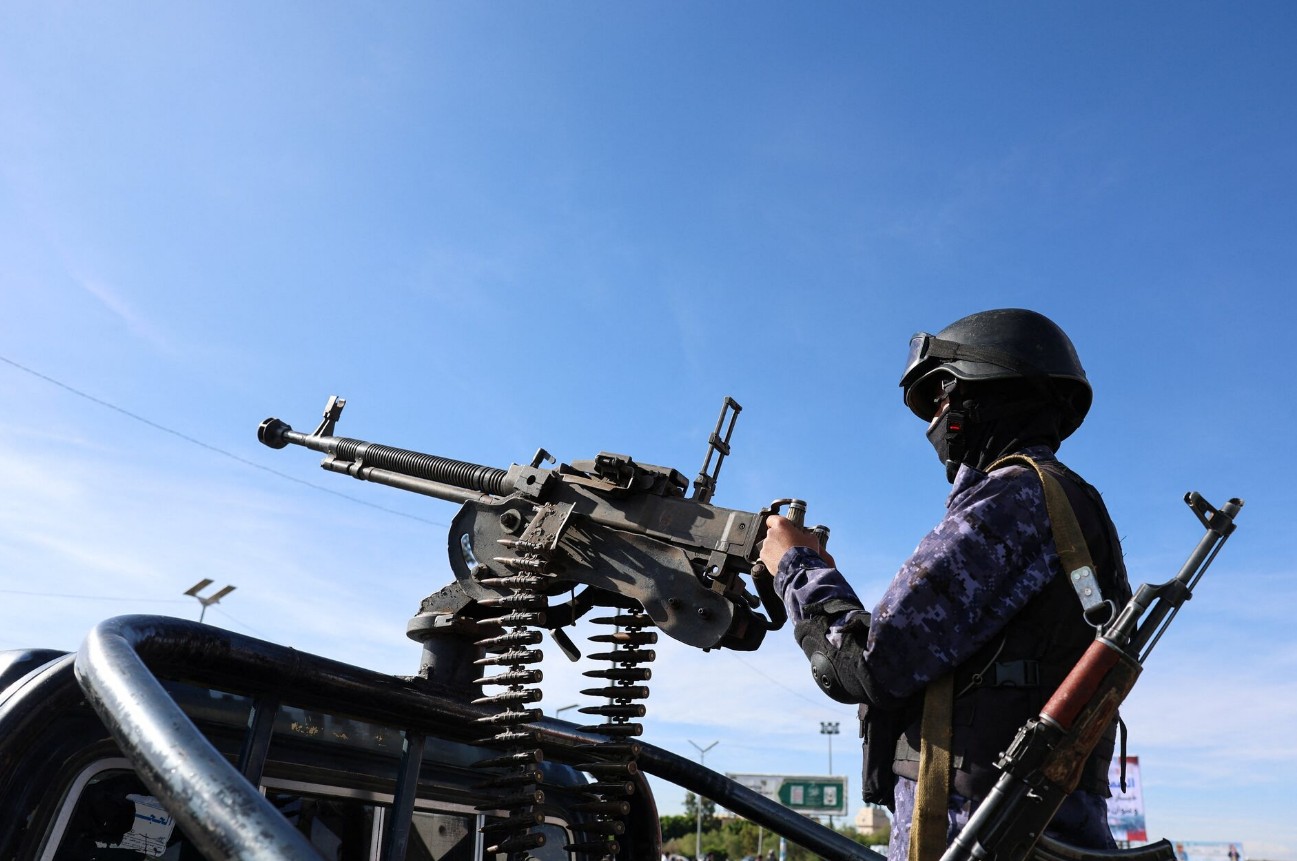
Within hours of that barrage, Iran’s Islamic Revolutionary Guard Corps (IRGC) launched retaliatory strikes on US military facilities across the region.
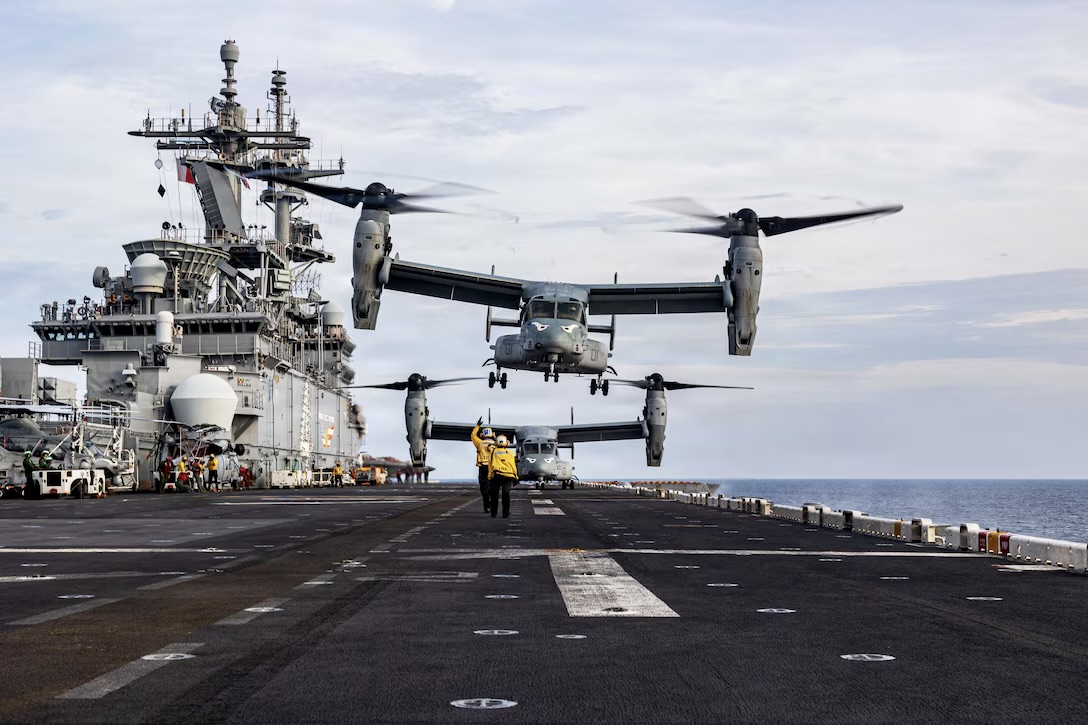
On Sunday evening, CENTCOM announced another round of strikes beginning at 17:00 ET (22:00 BST). While the command did not specify the exact number of targets in the second wave, a US official said it was “somewhat fewer” than Saturday’s 140 strikes. The attacks involved “fighter aircraft, naval vessels, one-way attack aerial drones, and one-way attack sea drones for the first time.”
Iran’s Response: Attacks on US Allies Across the Region
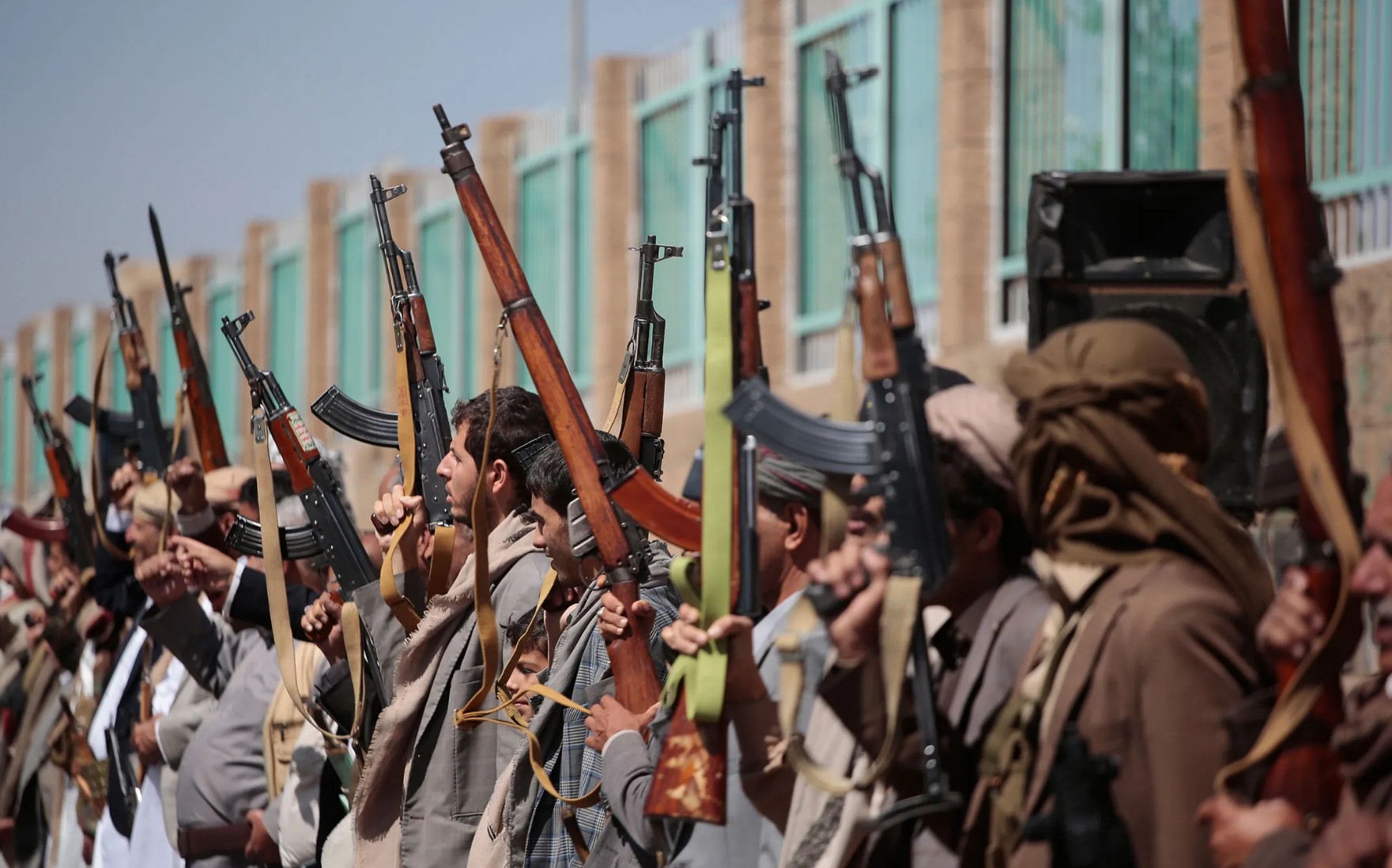
Tehran’s response to the US strikes was swift and broad. The IRGC claimed missile and drone strikes on US military targets and bases in Jordan, Bahrain, and Kuwait. Specific bases reportedly targeted included Sheikh Isa Air Base in Bahrain, Prince Hassan Air Base in Jordan, and Ali Al Salem Air Base in Kuwait.
The scope of Iranian retaliation extended beyond the usual targets:
- Jordan — The military said it shot down four Iranian missiles that entered its airspace.
- Kuwait — Air defenses engaged “hostile aerial targets,” with explosions heard across the country. Kuwait also reported that a drone strike hit an offshore oil platform, causing damage and wounding a worker.
- Bahrain — Air raid sirens sounded across the kingdom, with authorities urging the public to seek shelter.
- Qatar — Iran struck the Gulf state for the first time since April, with reports of injuries from drone interceptions.
- UAE — Targeted for the first time since May.
- Oman — Rarely targeted in the conflict, Oman was also struck, prompting Muscat to summon the Iranian ambassador and file a formal protest.
Casualties and Damage
Iranian state media reported that US strikes killed one person and wounded four others at a water pumping station in the southwestern city of Mahshahr. Earlier reports indicated two deaths in strikes across southern and western Iran, including Qeshm Island and Bandar Abbas near the Strait of Hormuz.
US Central Command said there were no reports of deaths or injuries among American service members. However, the IRGC claimed to have destroyed fuel depots, ammunition stores, and Patriot air defense systems at US bases, though these claims could not be independently verified.
On the commercial shipping front, a Cyprus-flagged container ship, the MV GFS Galaxy, was struck off the coast of Oman on Saturday. The crew abandoned the burning vessel, and one crew member remains missing.
Competing Claims Over the Strait
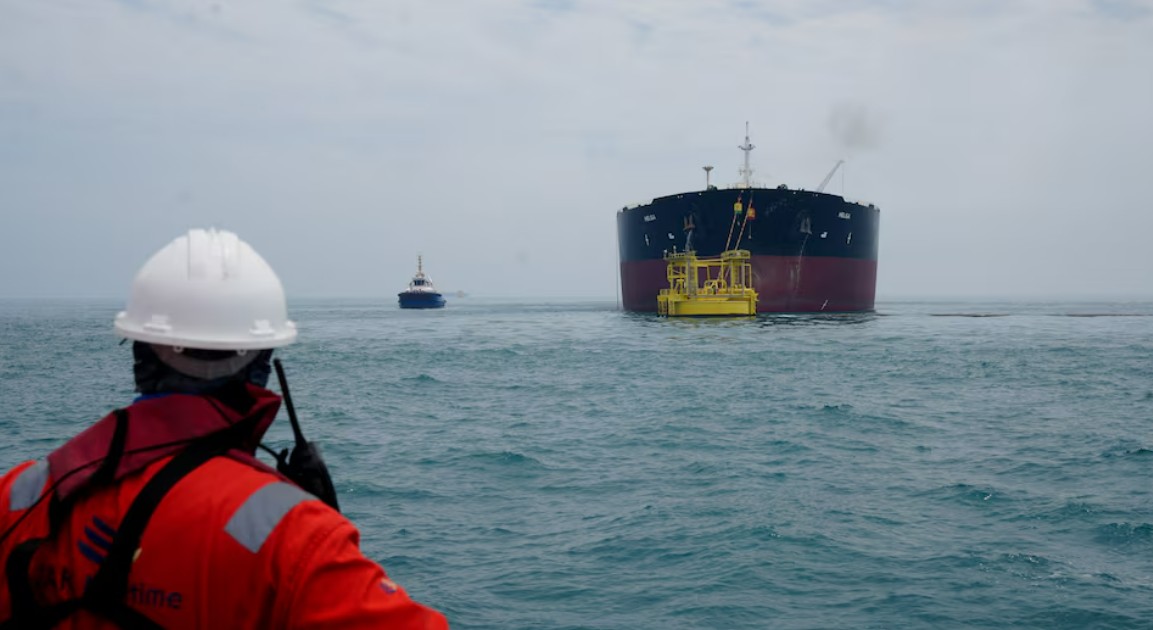
At the heart of the conflict lies control over the Strait of Hormuz, through which approximately 20% of the world’s oil and liquefied natural gas usually passes.
Iran declared the strait “closed until further notice” after Saturday’s attack on the container ship. The IRGC stated that “the Strait of Hormuz will be closed until further notice and until the end of American interventions in this region.” An adviser to Iran’s supreme leader called control of the waterway more important than “dozens of atomic bombs.”
The United States firmly rejected Tehran’s declaration. “The Strait of Hormuz is a vital maritime corridor for global trade. Iran does not control it,” CENTCOM said in a statement. “US forces are positioned and prepared to ensure that freedom of navigation remains available to commercial shipping despite Iran’s continued unwarranted aggression.”
President Trump insisted on Sunday that the strait was “open for business,” adding that the US military had “bombed the hell” out of Iran the night before.
Ceasefire in Tatters
The renewed hostilities have effectively ended the interim ceasefire agreement signed in June. Last week, President Trump declared the truce “over,” calling Iran’s leadership “scum.” Iran’s Foreign Minister Abbas Araghchi accused the US of violating the deal, though Trump insisted that talks would continue and mediators were trying to revive the process.
The US has now carried out five rounds of strikes on Iran since Wednesday last week. Mediators, including Pakistan, have expressed “deep concern at the escalation in regional tensions.”
Oil Markets React
The escalation sent shockwaves through global energy markets. Brent crude rose more than 4% to $79 a barrel on Monday morning, up 9% from its pre-war price. US-traded oil gained 4.2% to $74.53.
Daily ship traffic through the strait, which normally carries a fifth of the world’s oil, dropped to its lowest level in weeks, with only 22 ships braving the passage on Thursday, according to maritime data firm Kpler. Before the war, more than 130 vessels passed through daily.
Despite the price surge, oil remains well below the peak of nearly $120 a barrel reached at the end of April. Analysts note that markets have grown accustomed to volatility.
“The market has adjusted to this new normal,” said Amena Bakr, head of Middle East research at Kpler.
What Next?
The back-and-forth strikes show no signs of abating. Iran’s foreign ministry said the US attacks “have rendered futile all efforts” at establishing peace in the region. The US, meanwhile, has vowed to maintain freedom of navigation through the strait.
With both sides entrenched in competing claims over the waterway and the ceasefire in ruins, the prospect of a wider regional conflict looms large. The involvement of multiple Gulf states in the crossfire — including Qatar, the UAE, and Oman, which had previously avoided direct attacks — signals a dangerous expansion of hostilities.