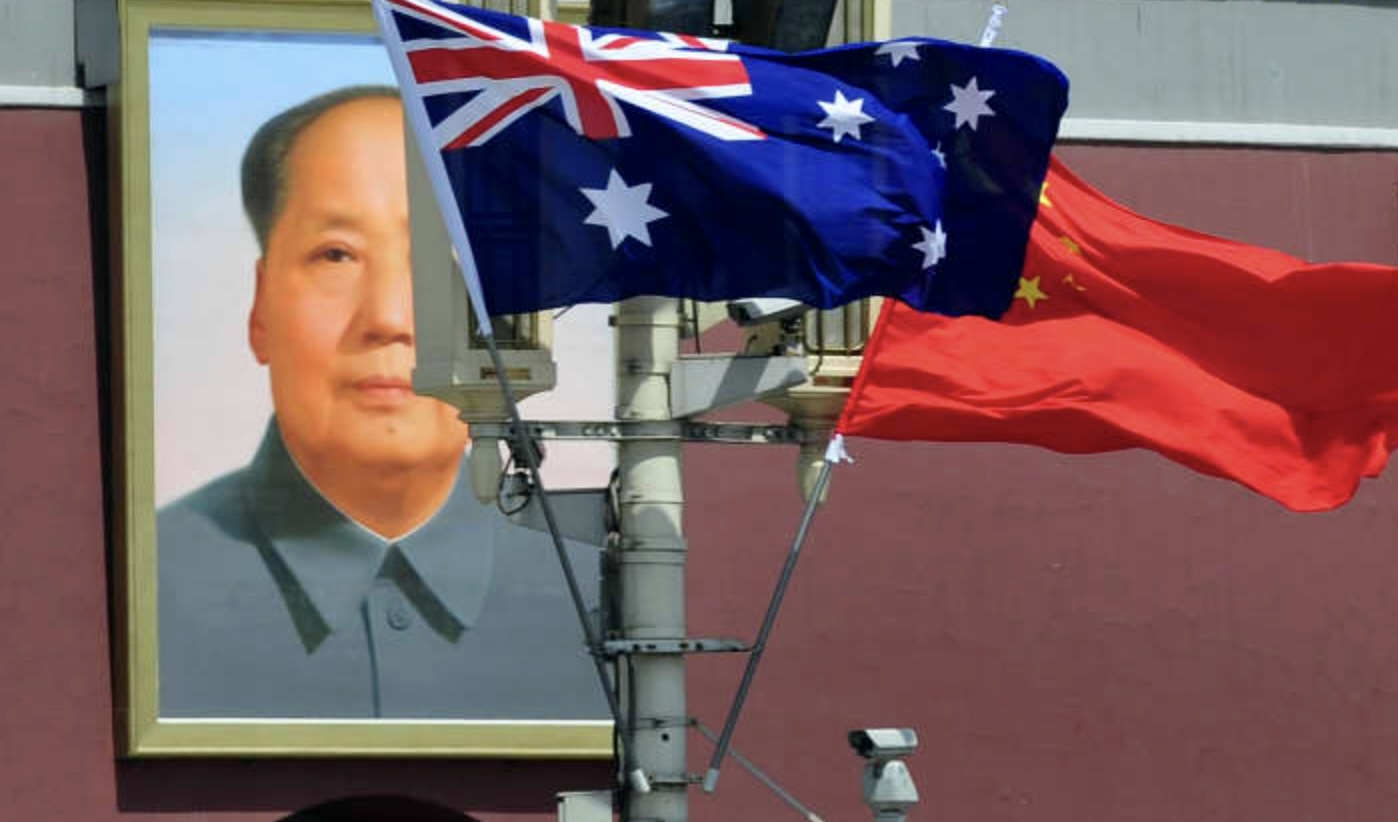
SYDNEY (Realist English). Australia, one of the world’s largest exporters of fossil fuels, has unexpectedly become one of the main drivers of global demand for Chinese energy storage systems.
According to the Financial Times, the country has become the fastest-growing export market for Chinese battery storage systems.
In March 2026, Australia accounted for nearly 10% of all new battery capacity added globally. On average, about 2,000 home battery systems are installed in the country every day. Analysts describe the phenomenon as “unprecedented construction scale.”
Figures and Facts: The Scale of the “Green” Boom
According to data from consulting firm Rystad Energy, Australia, with a population of 28 million, has already become the third-largest battery importer in the world, after Germany and the United States. On a per capita basis, the country has installed over 2 GWh of battery capacity — a figure Rystad calls “unprecedented in scale.”
As David Dixon, senior analyst at Rystad Energy, noted, Australia “is benefiting greatly from receiving cheaper batteries from China.” Chinese manufacturers, including BYD, CATL, Fox ESS, Dyness, and others, are actively expanding into the Australian market, offering solutions for both households and industrial-scale applications.
By the end of 2026, China plans to supply Australia with battery systems totaling at least 12 GWh in capacity.
Who Is Buying and Why
Two categories of consumers have driven the explosive growth:
- Households — About 2,000 Australian families install solar panels paired with batteries every day to reduce electricity bills and ensure backup power. In March 2026, Australia surpassed the milestone of 500,000 installed home battery systems. In 2025 alone, 197,000 new systems totaling 4.6 GWh were added to the grid.
- Large businesses — Fortescue, one of the world’s largest iron ore producers, is purchasing batteries from BYD with a total capacity of up to 5 GWh to support its mining operations and back up renewable generation.
Chinese Giants in Australia
Chinese manufacturers are not just supplying products — they are participating in the country’s largest infrastructure projects.
Gotion High-Tech has begun construction in Queensland of the Lower Wonga project — a 380 MW solar farm paired with a 281 MW / 843 MWh energy storage system. This is one of Australia’s largest projects directly co-locating solar generation with storage. The project, backed by international energy developer Lightsource bp, will be able to supply electricity to about 126,000 homes once operational in 2028.
CATL (Contemporary Amperex Technology) will supply 2.4 GWh of battery storage systems for the Smoky Creek and Guthrie’s Gap solar farms in Central Queensland.
Fox ESS, another Chinese manufacturer, has signed contracts to supply 10 GWh of battery solutions over the next two years.
Political Background: Subsidies and Visits
In July 2025, the Australian government launched the “Cheaper Home Batteries Program,” which provides subsidies for energy storage system installations through the Small-scale Technology Certificates (STC) mechanism.
Chinese authorities, for their part, have warmly welcomed Australian partners. During a recent visit by Australian officials and business representatives to China’s Guangdong province, the delegation was received as “important new clients.” State-owned company Southern Power Grid Technology demonstrated its developments in energy storage and grid modernization to the guests.
What Next?
Analysts expect further acceleration. According to Rystad Energy forecasts, global new battery system installations in 2026 will exceed 130 GW / 350 GWh, with China, the United States, the United Kingdom, Australia, and Germany remaining the leaders.
Chinese battery manufacturers already control 76% of the global battery energy storage system (BESS) market. Australia, as one of the fastest-growing markets, is becoming not just a customer but a strategic testing ground for “Chinese technology with local assembly.”
The paradox is that a country that remains one of the world’s largest exporters of coal and gas is simultaneously becoming one of the largest markets for Chinese “green” technologies. And this paradox, it seems, will only deepen.