BRUSSELS (Realist English). Despite its own sanctions restrictions and loud declarations about reducing energy dependence, the European Union set an absolute record for purchases of liquefied natural gas from Russia’s Yamal LNG project in the first half of 2026.
According to data from the shipping platform Kpler, analyzed by the Financial Times, import volumes reached 9.89 million tonnes — 18% more than in the same period of 2025. This is the highest figure since the project began exporting in 2017.
Of the 140 tanker cargoes shipped from Yamal LNG between January and June, 136 were delivered to EU ports — that is, nearly 97% of all exports. In effect, European consumers received one shipment of Russian gas every 1.3 days.
Who Is Buying: France, Belgium, and Spain Lead the Way
The main importers of Russian LNG in Europe were:
- France — 3.74 million tonnes (51 cargoes). In the first quarter of 2026, it surpassed all other European buyers, setting a record as early as January.
- Belgium — 2.7 million tonnes (37 cargoes). The Zeebrugge terminal received on average one tanker every 4.8 days from January to April.
- Spain — 2.5 million tonnes (34 cargoes).
- Netherlands — 881,970 tonnes (12 cargoes).
- Portugal — 147,170 tonnes (2 cargoes).
Thus, the top three European countries accounted for more than 90% of all Russian LNG purchases during the period.
The Cost: Nearly €6 Billion
According to estimates by the environmental organization Urgewald, in the first half of 2026 alone, EU countries transferred about €5.96 billion ($6.82 billion) to Russia for Yamal LNG. In January–April, this amount stood at €3.88 billion.
The price surge was triggered by the war in Iran and the threat of disruptions in the Strait of Hormuz. In March 2026, the average spot price for gas on the TTF index (front-month) jumped to €52.87 per MWh, up from €35 in January–February.
Sanctions Are in Place, but Not for Everything
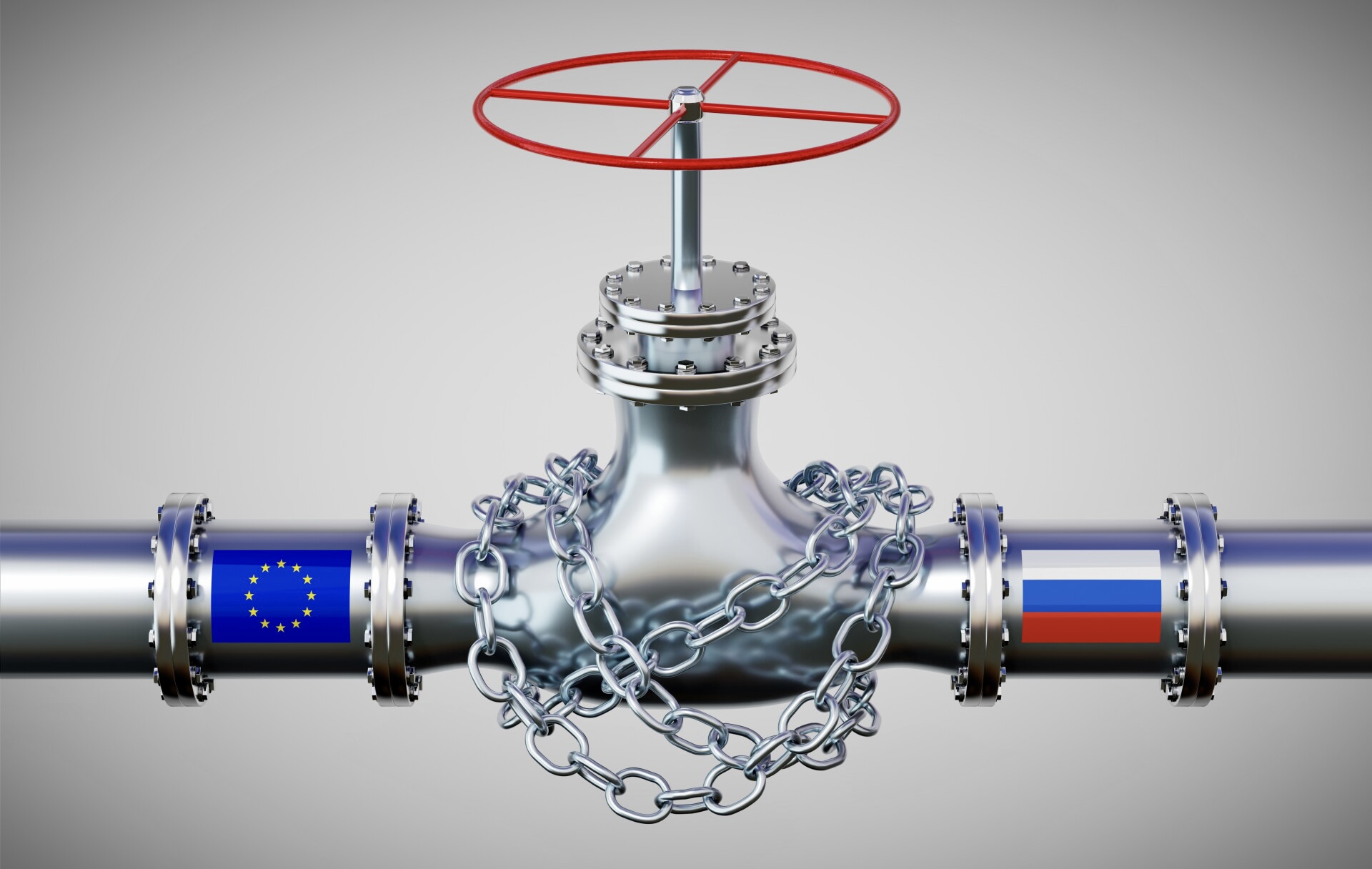
The paradox of the situation is that record purchases are occurring simultaneously with the tightening of the sanctions regime:
- January 26, 2026 — The EU Council approved a phased ban on Russian gas. A full ban on LNG imports takes effect on January 1, 2027, and on pipeline gas from September 30, 2027.
- April 25, 2026 — A ban was introduced on imports of Russian LNG under new short-term contracts.
- June 2026 — Short-term pipeline gas contracts were wound down.
However, long-term contracts remain untouched — and virtually all of Yamal LNG’s export capacity is tied to them. As Sebastian Rötters from Urgewald stated:
“The ban on imports under short-term contracts is a step forward, but long-term agreements remain the core problem. As long as they are in effect, Europe will continue transferring money to a Russian gas project.”
Asia Retreats, Europe Stays
While European imports hit record highs, Asian buyers sharply reduced their purchases. In the first half of 2026, only four tankers from Yamal LNG (282,248 tonnes) went to Asia — an 84% drop compared to the same period in 2025 (25 tankers, 1.8 million tonnes). According to FT sources, Asian traders fear secondary EU sanctions and prefer not to take risks.
Europe as the Project’s “Logistical Backbone”
Urgewald called the European Union the “logistical backbone of Putin’s flagship Arctic LNG project.” The reason is that Yamal LNG uses a unique fleet of Arc7 ice-class tankers capable of operating in Arctic waters. During the winter months, when the Northern Sea Route is closed, these vessels can only be unloaded efficiently at European ports. Without them, voyages would become significantly longer and more expensive.
In addition, the Danish shipyard Fayard continues to service these tankers — although from January 1, 2027, this practice will also be banned.
Strategic Failure or Inevitability?
Urgewald views the current situation as a “strategic failure” of EU policy, especially against the backdrop of intensified Russian missile and drone strikes on Ukrainian cities.
Meanwhile, the Institute for Energy Economics and Financial Analysis (IEEFA) notes that in the first quarter of 2026, EU imports of Russian LNG reached 6.9 billion cubic metres — the highest level since 2022. By this metric, Russia remains the second-largest LNG supplier to the European Union.
What Next?
Formally, the full ban on Russian LNG imports into the EU takes effect on January 1, 2027. However, experts doubt that it will radically change the situation: long-term contracts may allow significant volumes to continue flowing unless Brussels imposes additional restrictions.
In the meantime, Russian President Vladimir Putin has already stated that Moscow is ready to exit the European market early and redirect gas volumes to other regions if the EU finally closes access to Russian LNG.
For now, Europe continues to absorb virtually the entire output of Yamal LNG — and pay billions of euros for it, drawing ever closer to the date of its own ban.