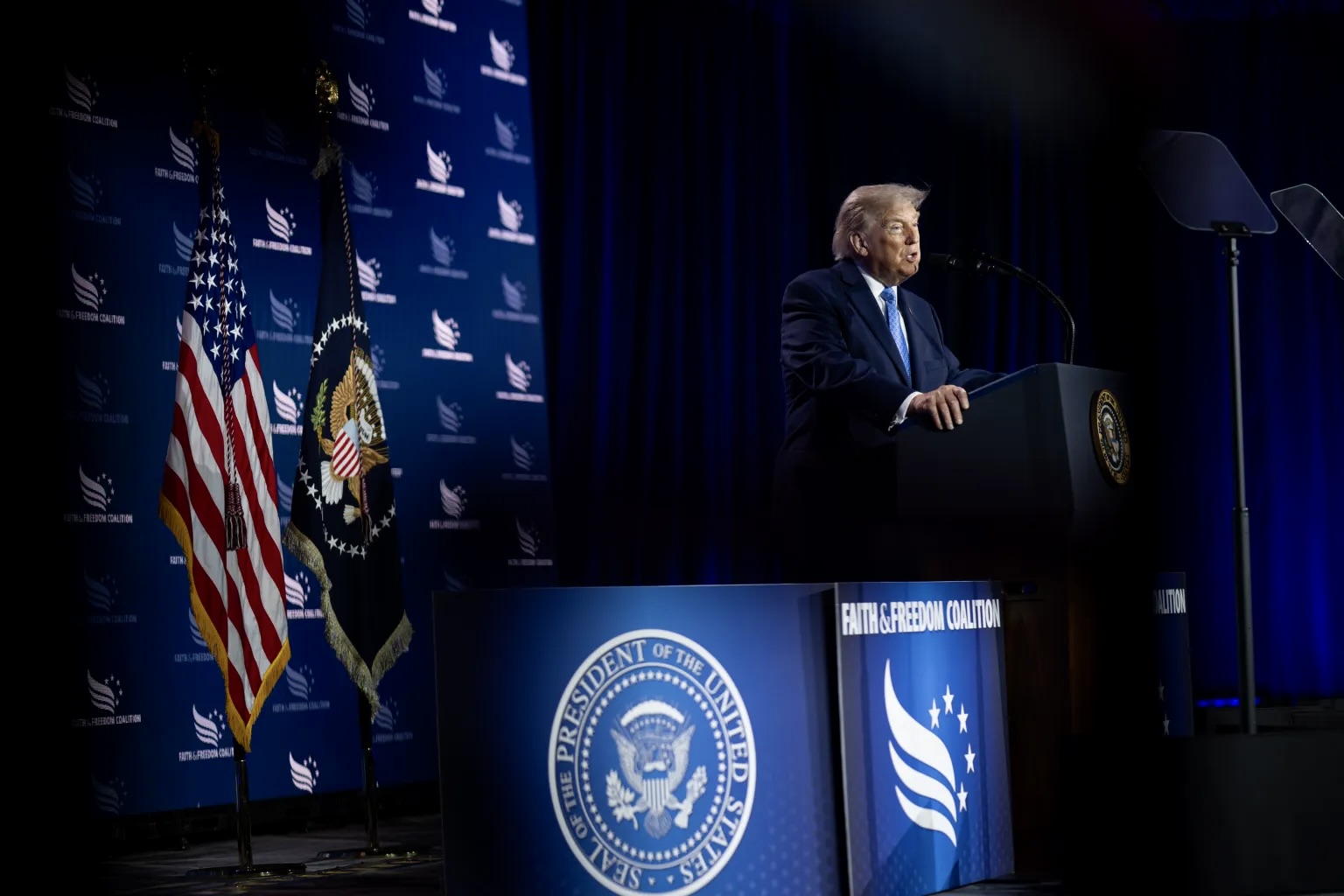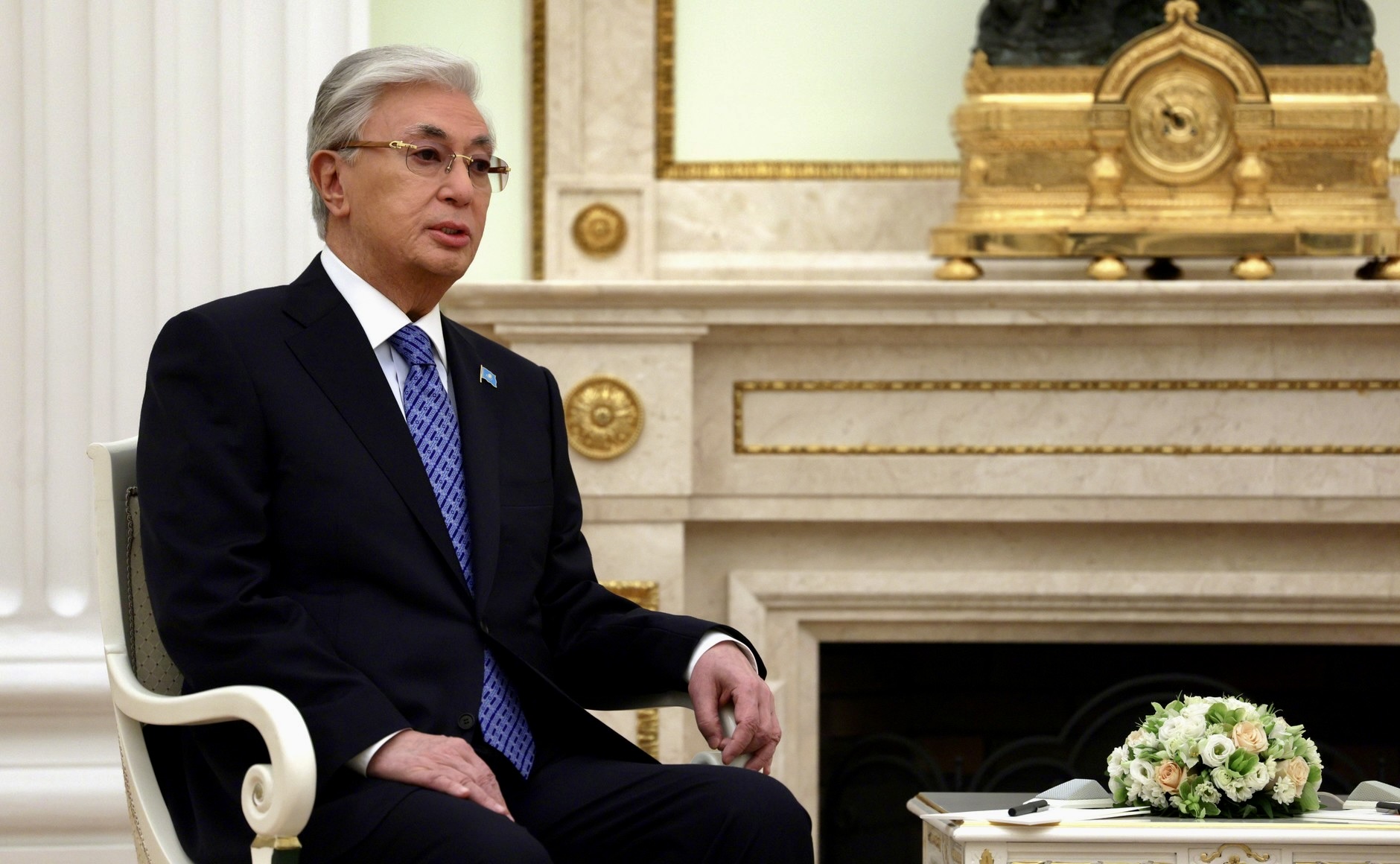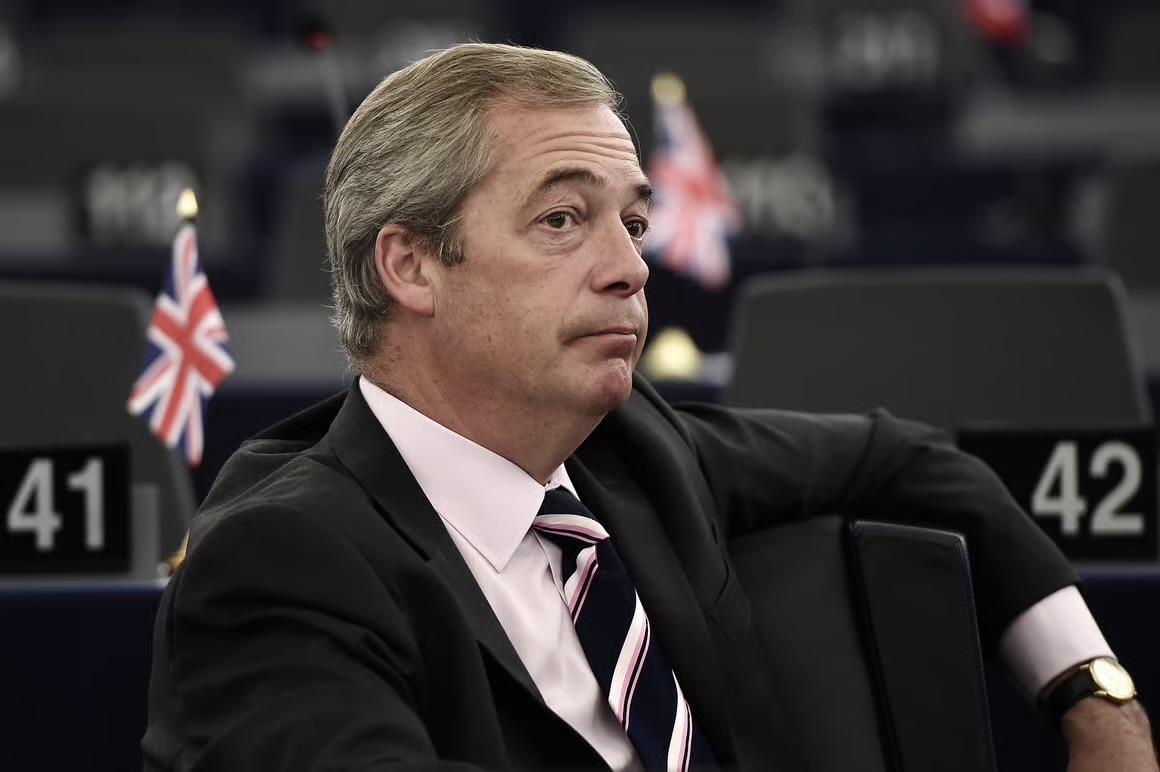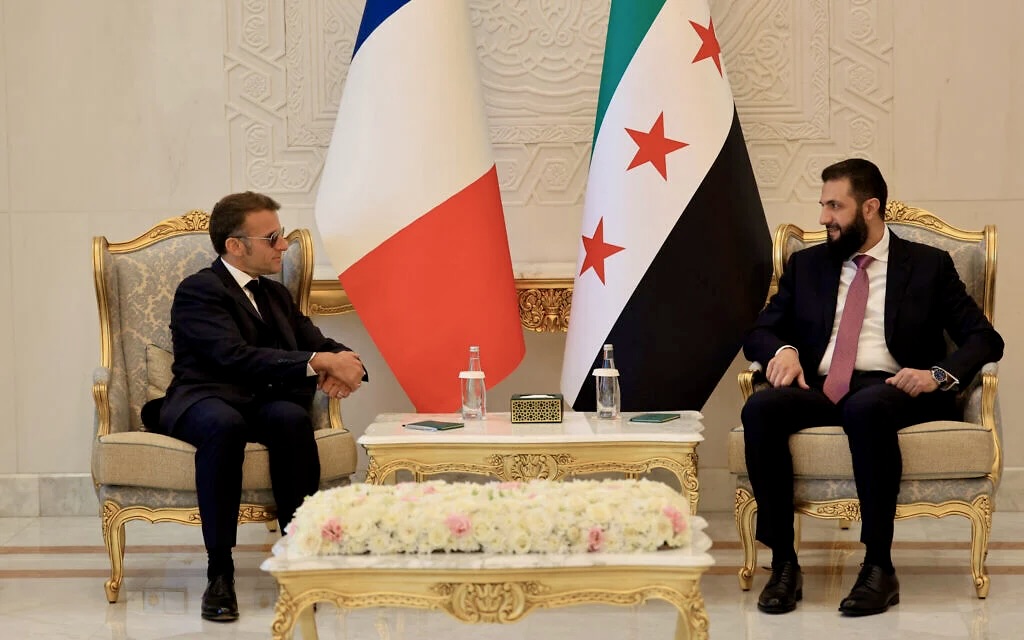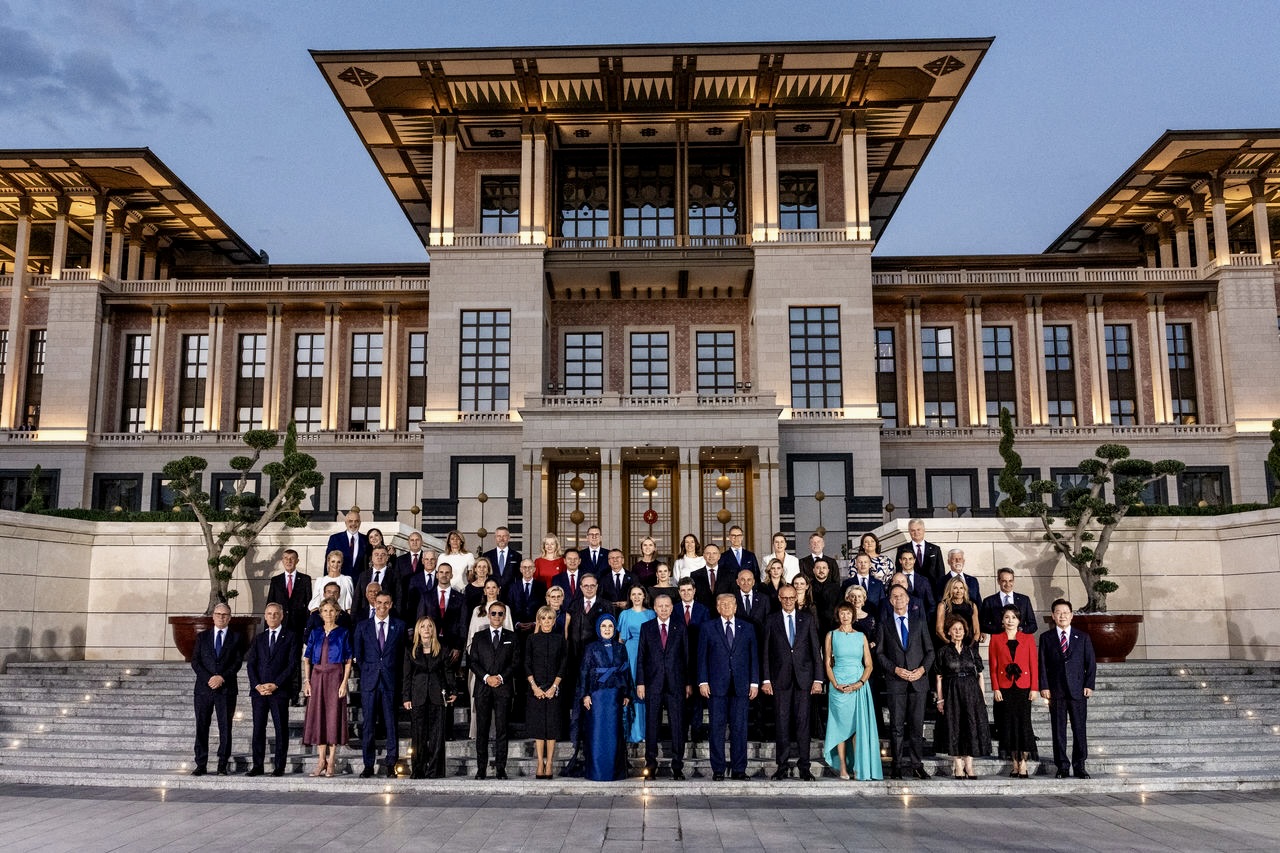
ANKARA (Realist English). The NATO summit, held on July 7–8 in Ankara, became a vivid demonstration of how US President Donald Trump’s personal preferences overshadowed the alliance’s institutional solidarity.
“Sometimes you get along with the toughest people,” Trump said upon arrival, addressing Turkish President Recep Tayyip Erdoğan. “And sometimes you don’t get along with the weakest.”
This phrase became the leitmotif of a summit that, according to witnesses, turned into a “Trump and Erdoğan show.”
‘Dear Friend’ in Ankara: Trump’s Personal Diplomacy
The main intrigue of the summit was resolved even before it began: Trump repeatedly stated that he had agreed to come to Ankara solely out of respect for the host.
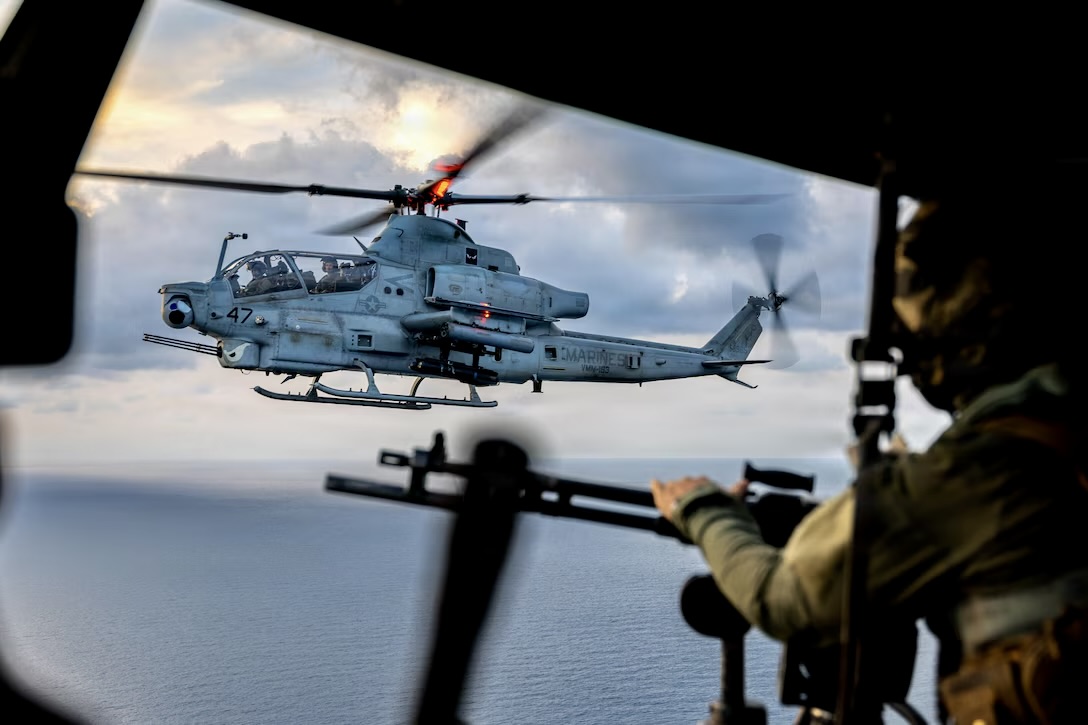
The Turkish side, in turn, rolled out the “red carpet”: Erdoğan personally met the US leader at the airport, they walked arm in arm to the sound of an orchestra, and the Turkish Air Force put on an air show with red, white and blue smoke.
In return, Trump showered Erdoğan with compliments, calling him a “great leader” and emphasising his “loyalty.” He promised to lift sanctions imposed over Turkey’s purchase of Russian S‑400 systems and gave a “thumbs up” to Erdoğan’s request to return to the F‑35 fighter programme.
As The Japan Times notes, “the US president’s sympathies were directed not so much at the alliance’s European members as at leaders who appeal to his political instincts.”
Trump also did not miss the opportunity to criticise close allies. Italian Prime Minister Giorgia Meloni came in for particular criticism, as Trump accused her of refusing to help the US in the war against Iran. The issue of purchasing Greenland was raised again, drawing a sharp rebuke from the Danish Prime Minister.
Despite a dinner of beef ribs and baklava, the atmosphere was far from idyllic.
Europe Pays: Arms Contracts as the Price of Security
Against the backdrop of the “show,” European NATO members demonstrated a willingness to pay. Contracts worth at least $50 billion were announced at the summit. NATO is buying new transport aircraft from Airbus and Swedish GlobalEye early warning aircraft to replace ageing AWACS.
The most significant agreement was between Germany and the US on the purchase of Tomahawk cruise missiles. Chancellor Friedrich Merz, speaking in the Bundestag on July 9, said: “On the sidelines of the NATO summit in Ankara, we agreed with the US government on the purchase of Tomahawks and their deployment in Germany. This closes an important strategic gap in our defence.”
Tomahawk missiles have a range of up to 2,500 km. Their deployment will allow Germany to strike deep into Russian territory. The agreement was a response to Trump’s rejection of Joe Biden’s plan for the temporary deployment of US missiles in Germany.
The Ankara summit confirmed that transatlantic relations are entering a new phase. Trump’s personal ties with Erdoğan and Europe’s growing willingness to pay for its security are becoming the main factors shaping the future of the alliance.
The question of whether NATO can remain an alliance of shared values rather than just a club of the “powerful” remains open.