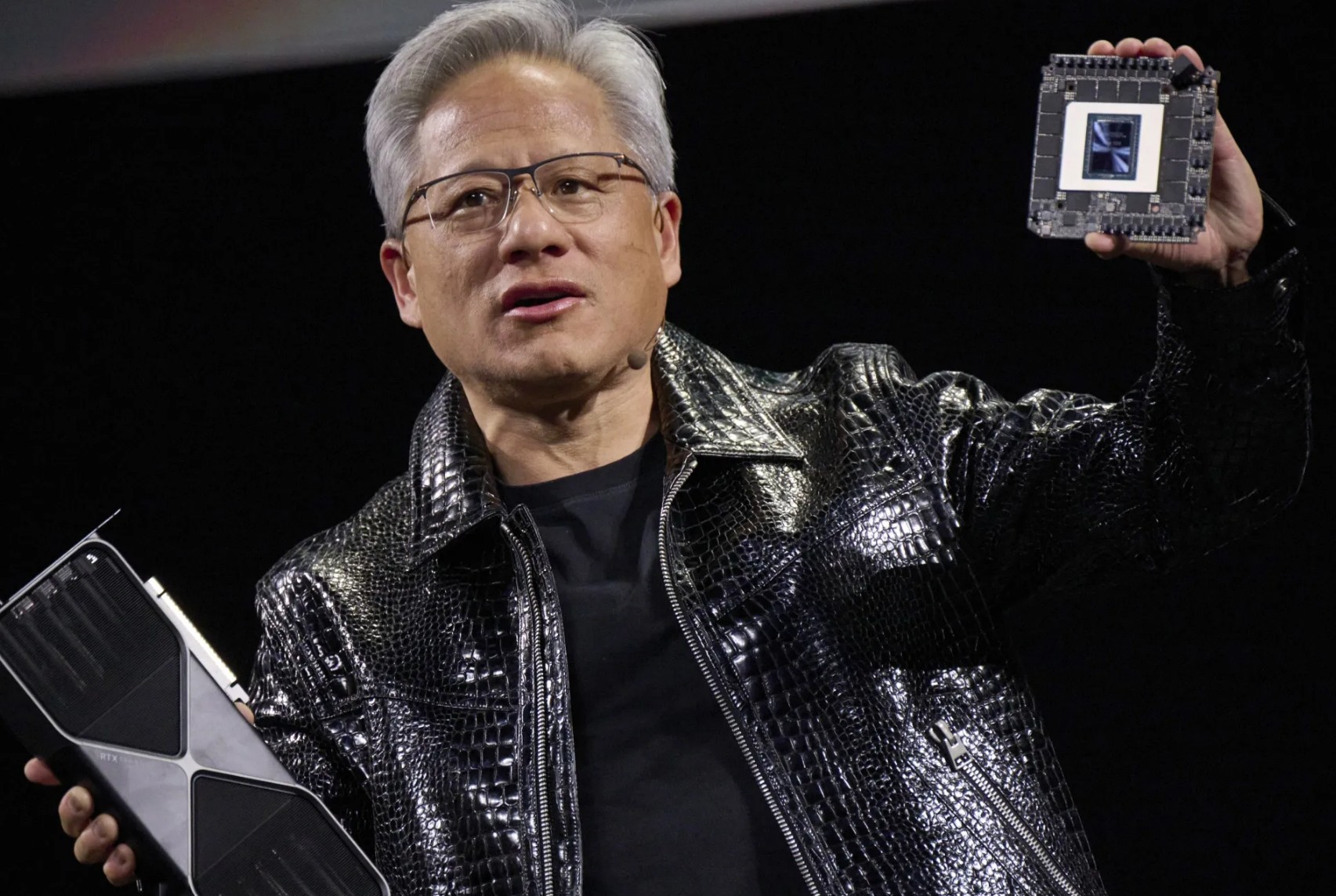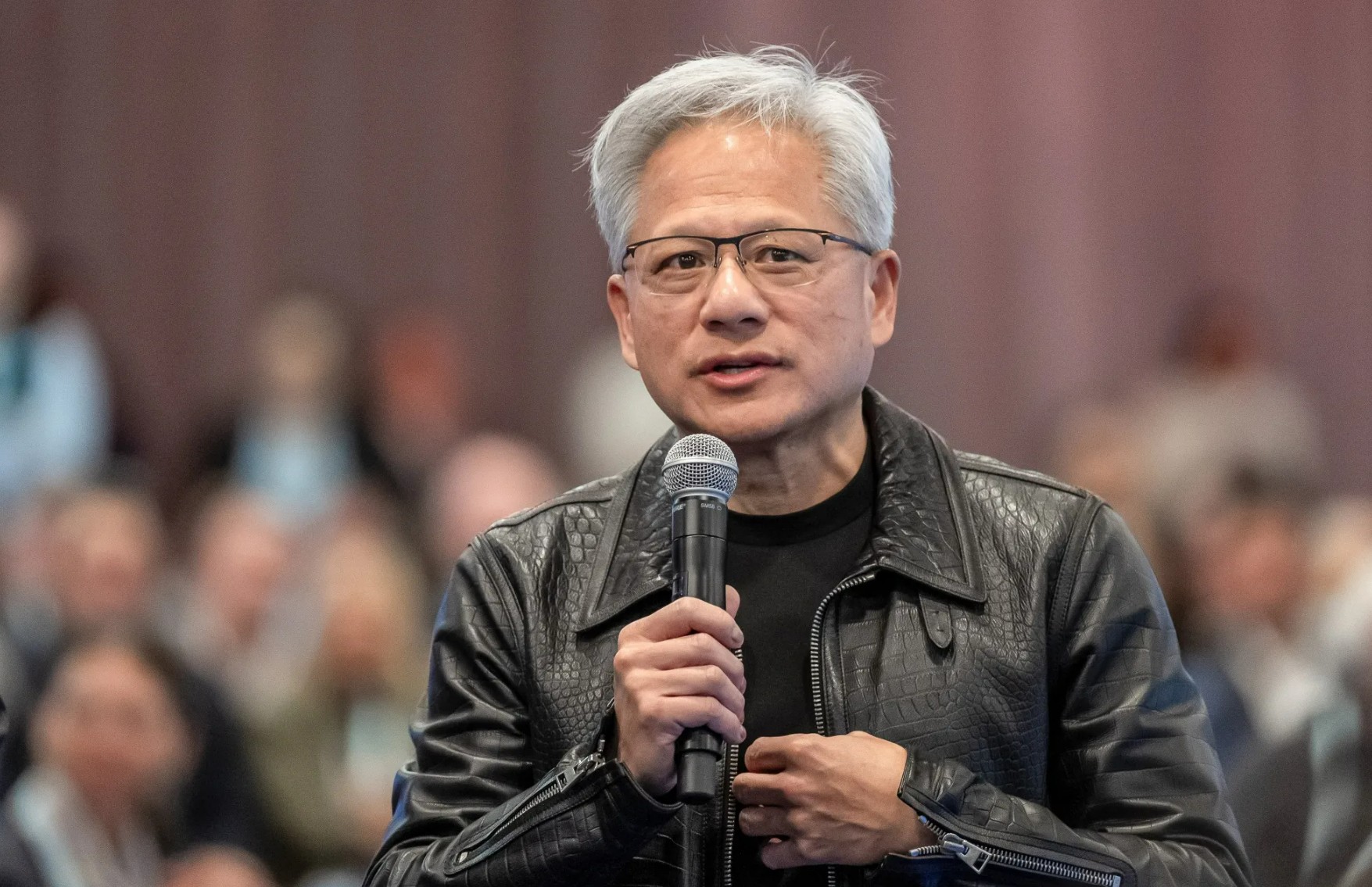
SAN FRANCISCO (Realist English). The scandal surrounding the personal life of Nvidia CEO Jensen Huang, which erupted in early November 2026, became a catalyst for a broader discussion of the effectiveness of US export controls with respect to China. Huang admitted an extramarital affair with Alice Huang, former head of the Singapore-based cloud company Megaspeed International, whom US intelligence suspects of ties to China’s Ministry of State Security. Megaspeed, one of the largest buyers of Nvidia chips in Southeast Asia, is already under investigation in the US on suspicion of redirecting chips to China.
The mechanism of the loophole: “dummy servers” and capacity rental
The key problem exposed by the scandal is that current US export rules control the physical supply of chips but not remote access to computing capacity.
As Stephen Wu, founder of the investment fund Carthage Capital, explained, “US export controls restrict where a chip is supplied, not who uses it.” As a result, Nvidia chips may be located, for example, in Malaysia or Singapore “in full compliance with the law, while a client in Shenzhen connects to them.”
This scheme, sometimes called the “dummy server” loophole, works as follows: shell companies or cloud providers purchase large batches of Nvidia chips through partners, place them in data centers in Singapore or other Southeast Asian countries, and then rent out the computing capacity to Chinese technology giants such as Alibaba and Tencent.
According to estimates, in 2026 China obtained about 1.05 million Nvidia H100-equivalent units through remote access, which accounts for roughly 23% of its total computing capacity, and this share is expected to grow to 32% next year.
Scale and participants
Megaspeed plays a central role in this scheme. According to Bloomberg, the company imported Nvidia chips worth at least $4.6 billion between 2023 and 2025. An investigation by The Information, in turn, claims that a network of companies linked to Alice Huang facilitated the supply to China of about 240,000 Nvidia chips of the H100, H200 and A100 models worth around $7.5 billion.
In addition to Megaspeed, other channels have also come to the attention of US authorities. In March 2026, US prosecutors charged the co-founder of Super Micro Computer and others with conspiracy to redirect servers containing Nvidia chips to China through a company in Southeast Asia.
Moreover, reports point to the possibility of direct smuggling: according to The Information, China’s DeepSeek used thousands of chips imported into the country in disassembled form.
Reaction of the authorities: investigations and legislative initiatives
The scandal provoked a sharp reaction in Washington. On 8 November, Congress sent Nvidia a request demanding a closed briefing with Jensen Huang on supply chain security and risks of circumventing export controls. Huang is expected to testify before lawmakers before Thanksgiving. In parallel, committees of the House of Representatives and the Senate are examining the circumstances of the alleged redirection of chips through Megaspeed.
A public split has also emerged within the administration. Treasury Secretary Scott Bessent accused the Commerce Department of inaction, stating that his department, the State Department, the Pentagon and the US Trade Representative had for months advocated including Megaspeed on export lists, but the Commerce Department, which is responsible for this matter, took no action. Bessent also questioned the effectiveness of Nvidia’s internal controls, asking whether the company knew it was selling products to shell structures.
Against this backdrop, Congress has stepped up work on legislative measures. In the Senate, the Remote Access Security Act is gaining momentum, intended to block schemes for remote access to chips through data centers in third countries.
In addition, three bills are being advanced as part of the defense budget (NDAA): the AI Overwatch Act (introduces congressional review for exports of advanced AI chips), the Chip Security Act (requires the installation of geolocation devices in chips to prevent smuggling) and the MATCH Act (obliges allies such as the Netherlands and Japan to bring their export rules into line with US rules).
The US Commerce Department, for its part, is developing rules extending export restrictions to seven additional countries, including Malaysia, Singapore and Thailand.
Limits and risks
As analysts note, the key difficulty is that the loophole is structural in nature and cannot be eliminated merely by tightening rules on physical supplies.
As long as the gap remains between regulating the movement of equipment and regulating access to computing capacity, rental schemes will remain viable. According to New Street Research estimates, up to 10% of Nvidia’s revenue (about $37–47 billion) is generated directly or indirectly from the Chinese market, with roughly half of that amount coming from offshore sales, which are subsequently either physically imported into China or used to support the capacity of data centers controlled by Chinese capital.
For Nvidia, the immediate effect of tighter controls will be most noticeable primarily in the offshore sales segment and in market capitalization dynamics — and that is precisely where it is most sensitive for the entire AI ecosystem.