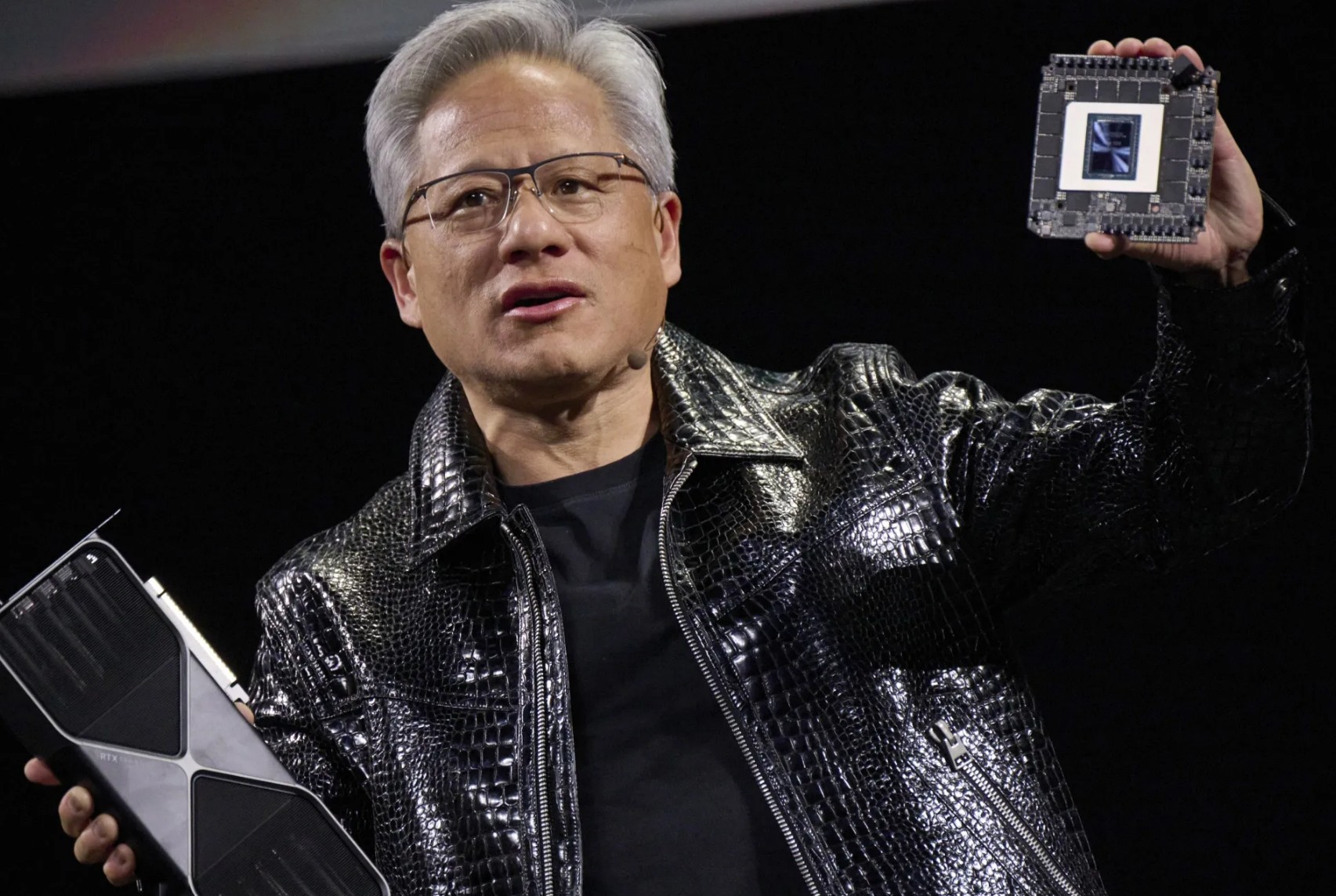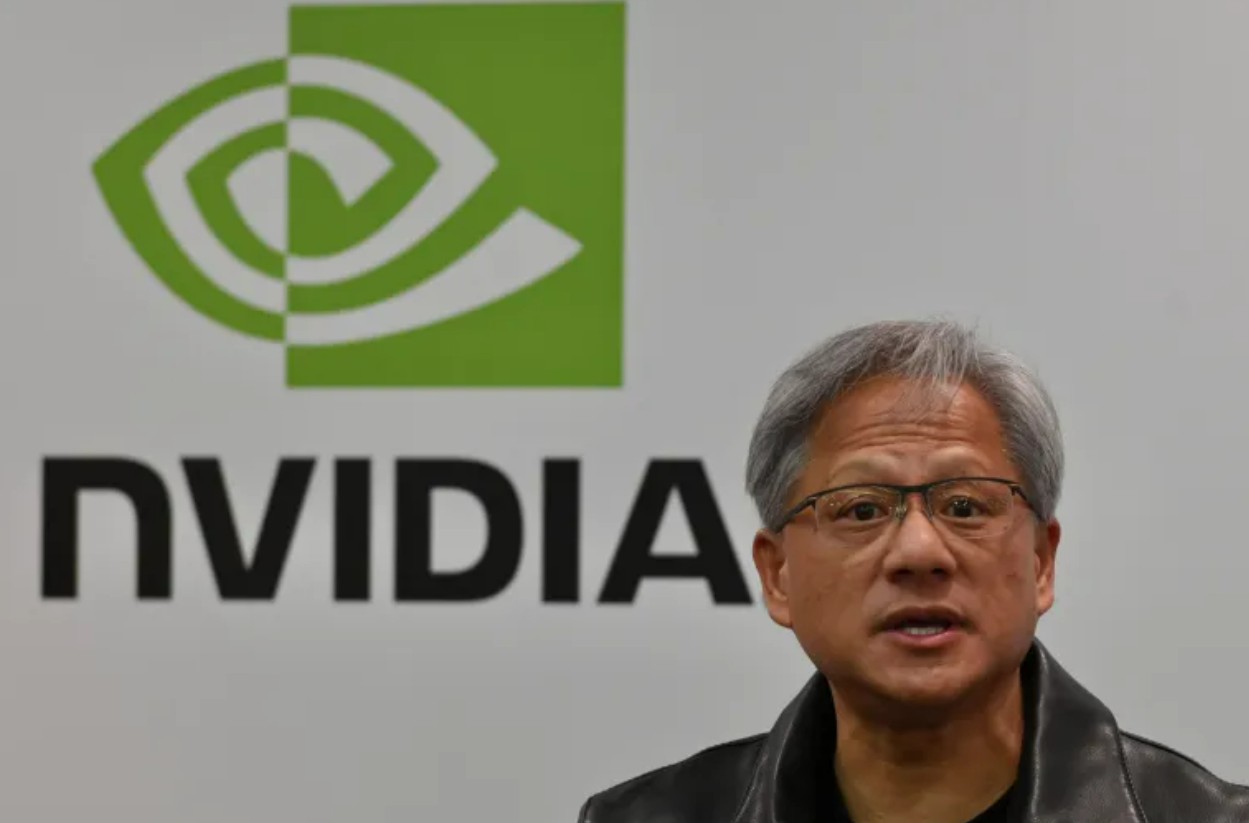
BEIJING (Realist English). The resignation of Nvidia founder Jensen Huang, announced on 12 November amid a scandal over extramarital affairs, coincided with stricter checks by US regulators on chip export deals to China.
According to sources, contracts for the supply of Nvidia accelerators to a number of Chinese AI startups and research centers, with a total value of approximately $3 billion, are at risk. These are projects that have already received funding but are not yet equipped with hardware.
Double blow: leadership change and regulatory pressure
Huang’s departure, after 33 years at the helm, has created a vacuum of trust around Nvidia. Although the board appointed Collette Kress as interim CEO, key clients in China fear that the leadership change could lead to a revision of priorities and delivery timelines.
At the same time, the US Commerce Department continues its investigation into Singapore-based Megaspeed, suspected of redirecting Nvidia chips to China in circumvention of export controls. Other intermediaries have also come under regulators’ scrutiny.
Which projects are at risk
According to interlocutors, these are contracts with several Chinese companies developing large language models and computer vision systems. Among them are startups funded by state funds and private investors.
Delays in supplies could disrupt model training schedules and, as a result, lead to a loss of competitive positions in the domestic market. One source noted that some projects have already begun looking for alternatives, including domestically produced accelerators from Huawei and Cambricon, but their performance and available volumes do not yet meet requirements.
Market reaction
Nvidia representatives declined to comment. The US Commerce Department also did not respond to a request. The Chinese companies mentioned in the list of potentially affected parties did not comment on the situation. Analysts note that even if supplies continue, a delay of several months could prove critical for startups operating in a highly competitive environment.
The situation around Nvidia and Chinese AI projects illustrates the fragility of global high-tech supply chains. Huang’s departure is not in itself a direct cause of contract disruptions, but it amplifies uncertainty, overlapping with tighter US export controls.
For Chinese customers, this is a signal of the need for accelerated diversification of suppliers, but switching to alternative solutions requires time and investment. The key question is whether Nvidia’s interim leadership can maintain commitments to Chinese partners, or whether regulatory uncertainty will leave $3 billion worth of projects without equipment, with local manufacturers taking their place.