MOSCOW (Realist English). Global oil prices are ending the week with a sharp rally. According to the London ICE exchange, the price of Brent crude futures for November delivery reached $109.06 per barrel during trading — the first time since May 21. Quotes rose 1.33%, later slowing to $108.81.
US WTI also exceeded $100, reaching $103.45 per barrel. Over the week, Brent gained about 13% — the sharpest weekly rise since mid‑July.
What’s Behind the Surge: Hormuz, Houthis and Saudi Output
The new price spike was triggered by the escalation of the US‑Iran conflict. On September 8, US forces destroyed five Iranian oil tankers in response to IRGC attacks on a US warship. Iran, in turn, claimed strikes on ten vessels attempting to pass through the Strait of Hormuz.
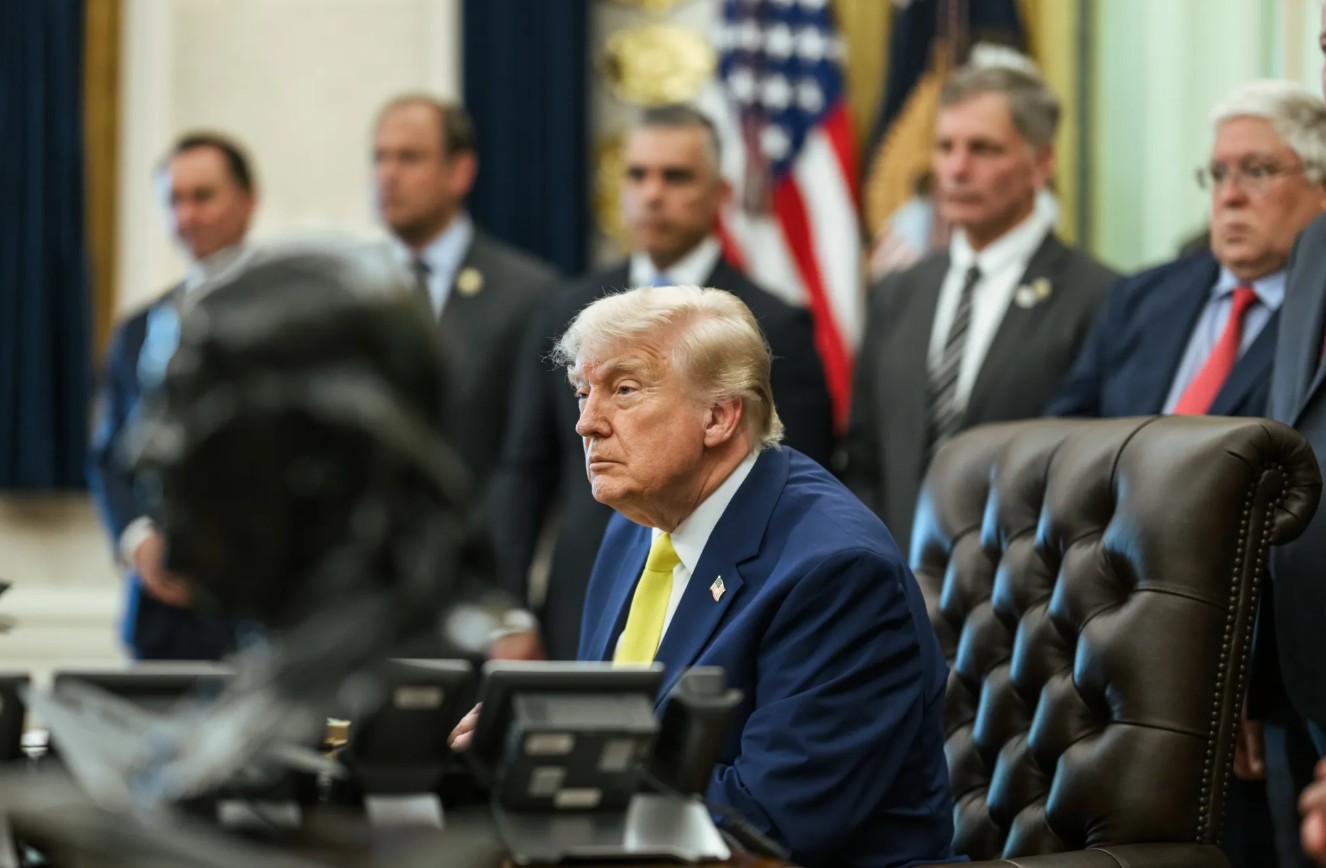
US President Donald Trump said the war could drag on until the midterm elections in November, reducing expectations of an early reopening of the strait. According to Kpler, vessel transits through Hormuz fell to seven per day, compared with a ten‑day average of 14.
An additional blow to the market came from the Red Sea. On September 10, Iran‑backed Houthis took control of the Yemeni port of Mokha, located less than 80 km from the Bab‑el‑Mandeb Strait. This gives the rebels additional leverage in the strategic waterway.
Saudi Arabia, which had tried to redirect exports around Hormuz via the Red Sea, itself faced constraints. According to OPEC, in August the kingdom produced about 6.24 million barrels per day — roughly 1.9 million less than a month earlier. Saudi oil exports fell to 3.1 million barrels per day — the lowest since at least 2013.
What Russia Will Get: $72 Billion or More?
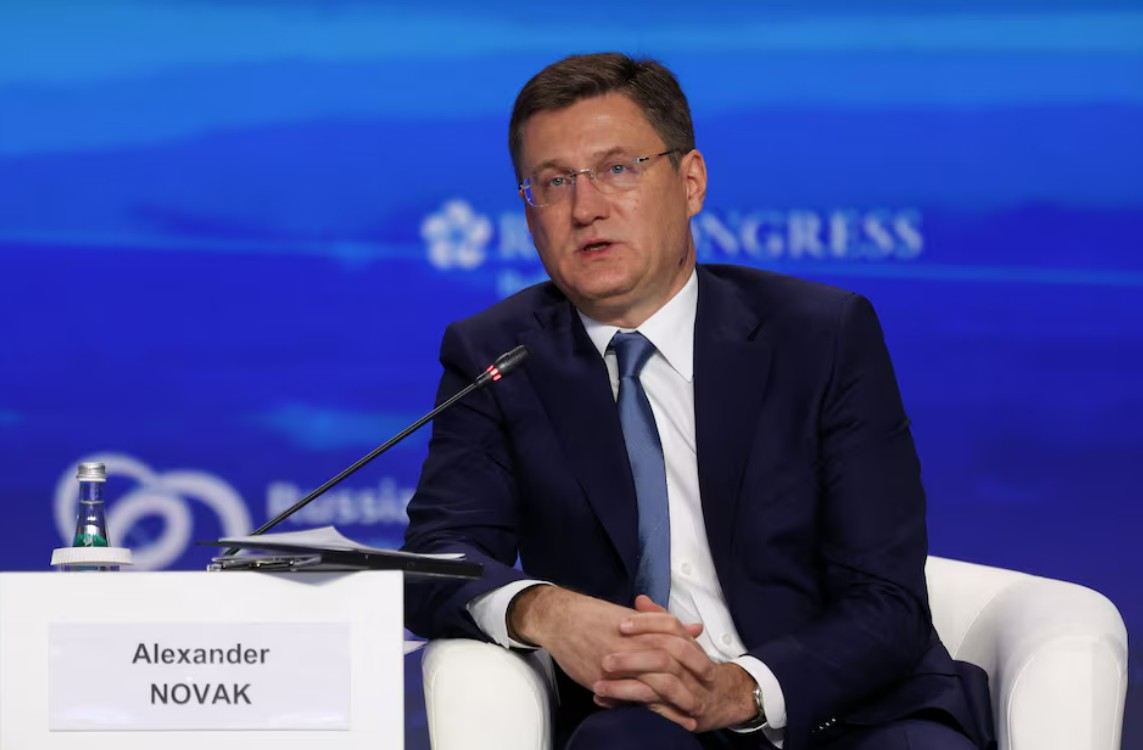
Russia, whose budget is based on a price of $59 per barrel, stands to gain from rising oil prices. According to estimates by the German‑Russian Chamber of Commerce (AHK), if prices remain above $100 per barrel, Russia’s additional budget revenues could reach $71.8 billion per year.
AHK head Matthias Schepp called Russia “the biggest beneficiary of the new war in the Middle East,” noting that Moscow could face an “unexpected influx of money of historic proportions.”
Estimates from the Kyiv School of Economics (KSE) are even more optimistic. According to their calculations, even if the conflict ends in the coming weeks, Russia’s annual oil and gas export revenues will reach $218.5 billion — 63% higher than a scenario without Middle East supply disruptions. The additional “windfall” is estimated at $84 billion.
If the conflict continues for another six months, annual revenues could rise to $386.5 billion — almost 188% above pre‑crisis forecasts.
Russian exports are already showing growth: according to KSE, the country earns about $760 million per day from oil exports. In March, oil and gas revenues doubled from about $12 billion to nearly $24 billion.
Constraints: Sanctions and Discounts
However, several factors prevent Moscow from fully capitalising on the favourable environment.
Sanctions restrictions. Russian oil traditionally sells at a discount due to sanctions risks. Temporary US exemptions for certain cargoes already loaded onto tankers have narrowed the discount but not eliminated it entirely.
Budget deficit. Despite rising prices, Russia maintains a budget deficit: in the first quarter of 2026 it amounted to 4.58 trillion roubles, or 1.9% of GDP.
President Vladimir Putin, at a meeting on economic issues, urged oil and gas companies to use additional revenues from rising hydrocarbon prices to reduce debt burdens to Russian banks.
What This Means for Russian Petrol Stations
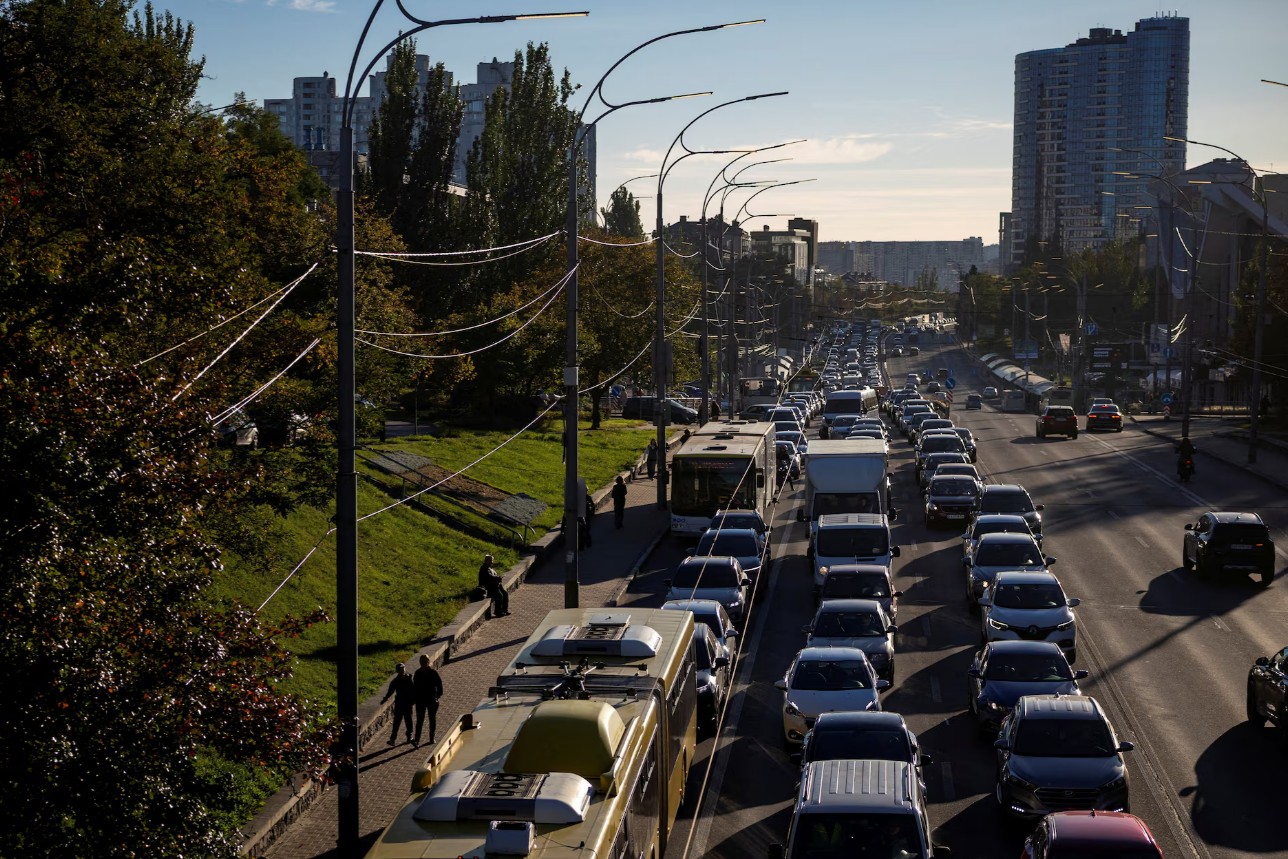
The rise in global oil prices does not automatically translate into higher petrol prices at Russian filling stations. Retail fuel costs depend on taxes, refinery expenses, logistics and state regulation.
Nevertheless, petrol in Russia is already rising at an accelerated pace. Since the start of 2026, motor petrol has risen in price by 21.16%, while overall inflation was 4.72%. In the week from September 1 to 7, petrol added 0.58%, with the average price per litre reaching 78.25 roubles.
If oil remains above $100 for an extended period, this will be an additional pressure factor on the fuel market, but the exact magnitude of retail price growth will depend on the situation at refineries, production volumes and government measures.
A Windfall with Limits
The oil price rally offers Russia a significant financial reprieve — potentially tens of billions of dollars in additional revenues that could ease budget pressures and reduce corporate debt. The windfall comes at a time when the Kremlin faces mounting costs from the war in Ukraine and sanctions.
Yet the gains are constrained. Sanctions discounts, structural budget deficits, and the risk that the conflict could end as suddenly as it escalated all limit the long‑term benefit. Moreover, the same global instability driving oil prices higher also poses risks to Russia’s own export logistics and financial flows.
Open questions remain. How long can prices stay above $100? Will the additional revenues be used to stabilise the budget or to fund the war effort? And most importantly — will the windfall translate into tangible economic relief for Russian citizens, or will it be absorbed by deficits and debt? The answers will shape Russia’s economic trajectory for months to come.